Uncovering the link between a common congenital viral infection and autism
Study: Babies born with the infectious birth defect, congenital cytomegalovirus, are nearly 2.5 times more likely to be diagnosed with autism spectrum disorder
2:53 PM
Author |
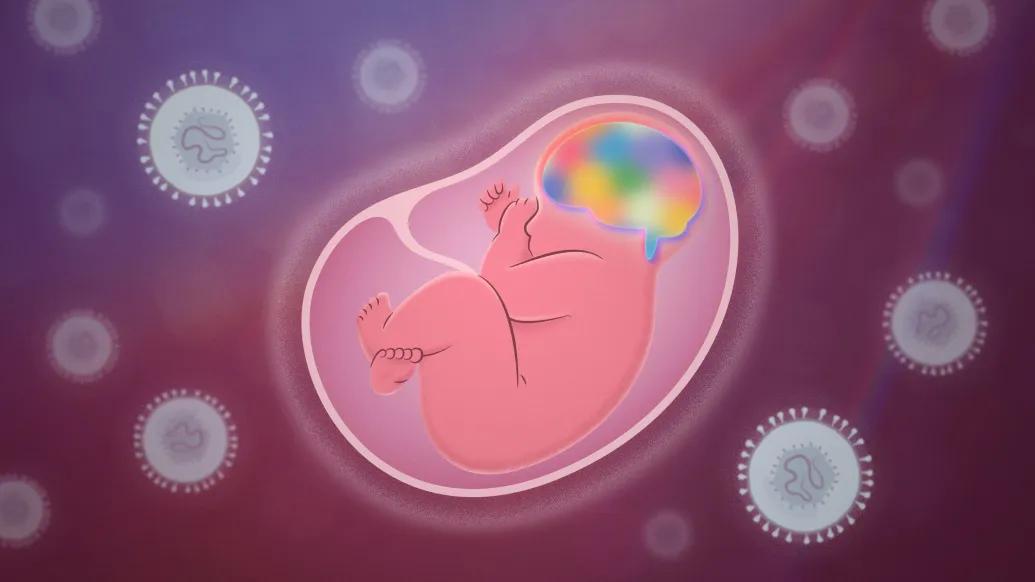
Children who contracted a viral infection known as congenital cytomegalovirus in utero may be nearly two and half times more likely to be diagnosed with autism, a study suggests.
Congenital CMV is the most common congenital infection in the United States, affecting one in every 200 babies.
While most infants with congenital CMV are healthy, nearly one in five experience birth defects or other long term health problems.
Complications may include vision or hearing loss and a higher risk of cerebral palsy, epilepsy and developmental delays.
The risk of having an autism diagnosis was more than four and a half times more likely among females born with the condition compared to those without it and twice as likely for male babies, according to the study in the American Academy of Pediatrics journal Pediatrics.
“Our findings suggest a potentially heightened risk of autism among children born with a congenital CMV infection,” said lead author Megan Pesch, M.D., a developmental behavioral pediatrician at University of Michigan Health C.S. Mott Children’s Hospital whose daughter has both diagnoses.
“This data should prompt us as clinicians to proactively monitor for early signs of autism in children with congenital cytomegalovirus. This may be especially critical for children who are deaf or hard of hearing since diagnosing autism in this population can be particularly challenging.”
Researchers analyzed insurance claims for nearly three million children using Medicaid or the Children's Health Insurance Program.
Improving early detection
An estimated one in three pregnant people passes a CMV infection on to their babies when the virus passes through the placenta.
When this occurs, Pesch says, it may activate an inflammatory state that could potentially impact fetal brain development and increase the risk of autism.
Pesch is among clinicians who have advocated for routine neonatal screening for CMV, which often doesn’t show any symptoms during pregnancy or at birth.
“More states in the U.S. and parts of Canada have recently implemented congenital CMV screening programs, which provides an opportunity for early intervention,” Pesch said.
Autism is a neurological and developmental condition that affects how people interact, communicate and learn.
This data should prompt us as clinicians to proactively monitor for early signs of autism in children with congenital cytomegalovirus. This may be especially critical for children who are deaf or hard of hearing since diagnosing autism in this population can be particularly challenging.” Megan Pesch, M.D.
People of the spectrum tend to have particular preferences for social interactions, communication, and sensory experiences.
For instance, some autistic people may find eye contact to be uncomfortable, but find great joy in the sensation of jumping, or they may be particularly passionate about seemingly unusual topics (e.g. model trains, or dinosaurs.)
Experts believe its development is likely influenced by diverse genetic and environmental factors, including the intrauterine environment.
Previous research has identified associations between certain prenatal exposures to some viruses and the risk of autism.
There was no association, Pesch notes, between CMV and autism in children who had a congenital central nervous system anomaly, such as structural or functional abnormalities of the brain and spinal cord that occur during fetal development.
“We need further research to better understand the relationship between CMV and autism,” Pesch said.
“Universal congenital CMV screening may not only improve detection before symptoms develop and lead to more timely intervention but also help us clarify the risk of autism among this population. Most importantly, this provides an opportunity to best support these children and their families”
Additional authors include Jessica Leung, M.P.H. and Tatiana Lanzieri, M.D., M.P.H., of the National Center for Immunization and Respiratory Diseases; and Sarah Tinker, Ph.D.; Charles Rose, Ph.D.; Melissa Danielson, MSPH; Marshalyn Yeargin-Allsopp, M.D., and Scott Grosse, Ph.D., of the National Center on Birth Defects and Development Disabilities, Centers for Disease Control and Prevention.
Disclosures: Pesch serves on the executive board for the national CMV Foundation in an unpaid position.
Paper cited: “Autism Spectrum Disorder Diagnoses and Congenital Cytomegalovirus,” Pediatrics. DOI: 10.1542/peds.2023-064081
Sign up for Health Lab newsletters today. Get medical tips from top experts and learn about new scientific discoveries every week by subscribing to Health Lab’s two newsletters, Health & Wellness and Research & Innovation.
Sign up for the Health Lab Podcast: Add us on Spotify, Apple Podcasts or wherever you get you listen to your favorite shows.

Health Lab
Explore thousands of health news & research stories by visiting the Health Lab homepage for more.
Media Contact

Public Relations
Department of Communication at Michigan Medicine
In This Story
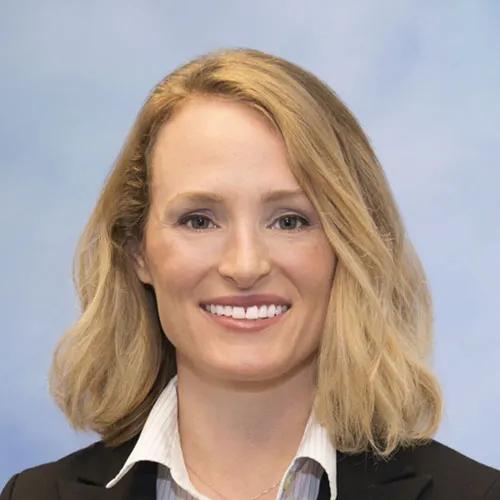
Megan Pesch, MD
Adjunct Clinical Associate Professor
Stay Informed
Want top health & research news weekly? Sign up for Health Lab’s newsletters today!
Featured News & Stories
A pediatric epilepsy fundraiser that changes lives
Better prenatal care data could help prevent maternal complications, experts say
Michigan Alzheimer's Disease Research Center receives $22M to advance efforts statewide
Pediatric patient treated for rare kidney cancer
Engineered nanoparticles sensitize gliomas to radiotherapy