Treatment with norrin helped maintain healthy blood vessels, preserved vision in diabetic rats
Targeting cellular pathways controlled by norrin can be used as a therapeutic strategy to prevent vision loss in patients with diabetes
6:00 AM
Author |
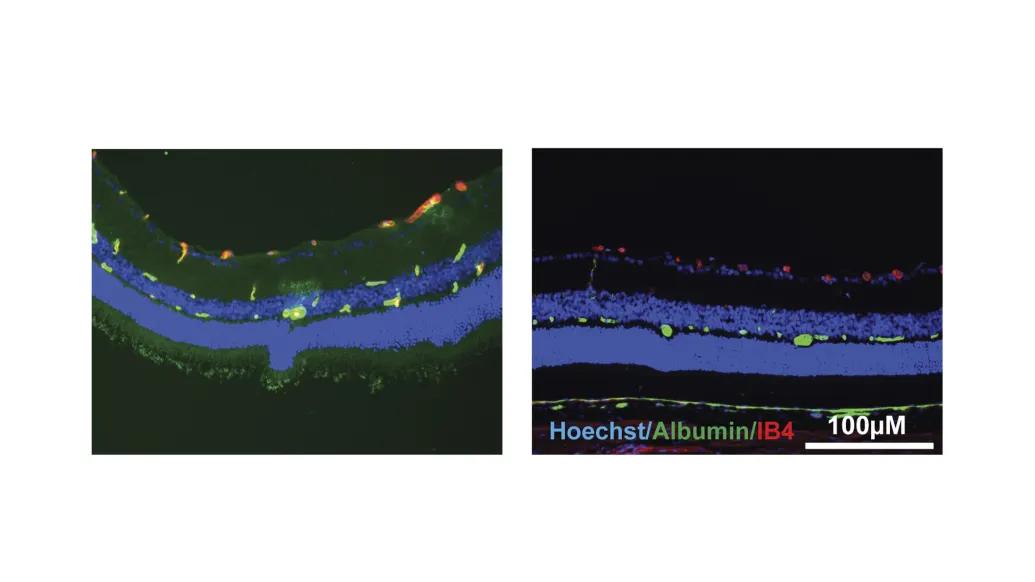
Over 100 million people in the U.S. are affected by diabetic retinopathy, a complication of diabetes that affects the eyes.
The condition is caused by damage to the blood vessels in the retina, the light sensitive tissue at the back of the eye.
At first, diabetic retinopathy might not cause any symptoms, or the problems might be mild.
However, if the underlying diabetes remains poorly managed, it can lead to blindness.
In a new study, University of Michigan researchers showed that treatment with the molecule norrin can prevent vision loss in diabetic rats.
Diabetic retinopathy treatment
Current therapies for diabetic retinopathy target vascular endothelial growth factor, or VEGF, a protein that causes new blood vessels to form.
VEGF also increases blood vessel permeability or the capacity to allow water and nutrients to move in and out of the bloodstream into tissues.
In patients with diabetic retinopathy, excess VEGF causes the growth of abnormal, leaky blood vessels, both leading to vision loss.
Although anti-VEGF agents are commonly used to treat diabetic retinopathy, it requires several injections and fails to fully manage half the treated patients.
“There is an urgent need for new therapies that can help preserve vision in patients with diabetic retinopathy,” said David Antonetti, Ph.D., Roger W Kittendorf Research Professor of Ophthalmology and Visual Sciences at Kellogg Eye Center.
“We have been working on the effects of norrin for several years and these results will help develop new therapies that can prevent vision loss.”
Preventing vision loss
In previous studies, the team showed that norrin can reverse the effects of VEGF on the blood vessel barrier in cells.
In the current study, they found that after rats developed diabetes, their levels of norrin decreased and this was accompanied by decreased vision.
When they injected these rats with norrin, the researchers could prevent vision loss.
“We are excited that norrin treatment can also reduce the loss of nerve cells involved in vision in diabetic rats,” said Laura González-González, Postdoctoral Fellow in the Antonetti lab.
Treatment with norrin also prevented retinal cell death and inflammation, both in early and late stages of diabetes.
Starting norrin treatment even after vision loss prevented further loss in the diabetic rats. These results suggest that norrin can potentially help prevent vision loss in patients with diabetes.
There is an urgent need for new therapies that can help preserve vision in patients with diabetic retinopathy,”
--David Antonetti, Ph.D.
The team identified several genes that were affected by norrin treatment, and they are working on understanding how they contribute to barrier restoration.
Clinical trials and retinal blood vessels
The work done by the Antonetti lab has helped target identification for a new diabetic retinopathy treatment method.
To this end, their work helped EyeBio and Merck develop clinical trials for drugs that can increase the activity of cell receptors that respond to norrin.
Antonetti was also involved in helping Merck develop a drug for treating adults with macular edema, a major driver of vision loss in patients with diabetic retinopathy.
If successful, this will be the first new therapy for the condition in 16 years.
Paper cited: “Norrin Treatment Prevents Vascular Permeability and Neural Cell Loss While Preserving Vision in Diabetic Rats,” Diabetes. DOI: 10.2337/db26-0340
Additional authors: Alyssa Dreffs, Cheng-Mao Lin, Xuwen Liu and Ethan Hendry.
Funding/disclosures: This research was supported by grants from the National Institutes of Health, National Eye Institute EY012021 and Vision Research Core grant P30EY007003, the Michigan Diabetes Research and Training Center Grant from National Institutes of Health, National Institute of Diabetes and Digestive and Kidney Diseases P30DK020572, Research to Prevent Blindness and the National Institutes of Health instrumentation grant S10OD028612.
Sign up for Health Lab newsletters today. Get medical tips from top experts and learn about new scientific discoveries every week.
Sign up for the Health Lab Podcast. Add us wherever you listen to your favorite shows.

Health Lab
Explore thousands of health news & research stories by visiting the Health Lab homepage for more.
Media Contact

Public Relations
Department of Communication at Michigan Medicine
In This Story

David Antonetti
Professor
Related

Diabetic retinopathy is being diagnosed more in younger patients

Diabetic Retinopathy: Know the Signs, Symptoms and Treatments
Stay Informed
Want top health & research news weekly? Sign up for Health Lab’s newsletters today!
Featured News & Stories

Could a diabetes medication be the next wonder drug?

Gene editing is coming for common diseases. Are we ready?
Innovative children’s vision research gets a boost from the Knights Templar Eye Foundation

Is the United States Lagging Behind Europe in Memory Improvement?

Nerf gun accident causes retinal detachment in pediatric patient