Treating Nerve Pain After Chemotherapy: An Option That Works
The antidepressant duloxetine has been found to help relieve neuropathic pain, a tingly feeling felt by many cancer survivors.
7:00 AM
Author |
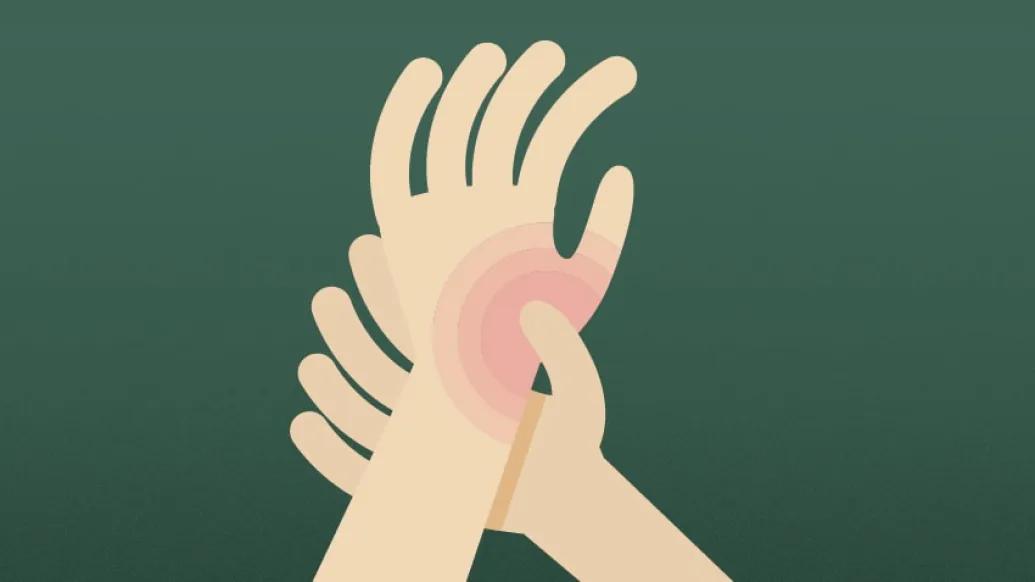
Once cancer treatment ends, a challenging and lasting side effect can remain: peripheral neuropathy, a tingling feeling usually felt in the toes, feet, fingers and hands.
For some, the sensation is uncomfortable, notes Ellen M. Lavoie Smith, Ph.D., an associate professor at the University of Michigan School of Nursing.
But for about 30 percent of breast cancer patients, peripheral neuropathy is a painful sensation. People treated for gastrointestinal, urologic and other cancers can also be affected.
This problem stems from the cancer drugs causing damage to the peripheral and central nervous system structures. The damage can lead to lasting abnormalities in how the brain processes pain signals.
Setbacks and progress
The issue has been overlooked and understudied, Smith says. Providers may not ask about neuropathy because it is not a life-threatening side effect. Neuropathy is a hard symptom to describe, so patients don't always bring it into the conversation.
Patients may also avoid telling their doctors and nurses about pain out of fear their chemotherapy dosage will be decreased.
Smith's research has pointed to one solution: A 2013 study she led suggests the antidepressant duloxetine, commercially known as Cymbalta, can help relieve the painful tingly feelings.
In the study, researchers looked at 231 cancer patients who reported painful peripheral neuropathy. They were randomly assigned to receive duloxetine or a placebo for five weeks.
Researchers found 59 percent of patients who received duloxetine reported reduced pain, while only 39 percent of those taking the placebo did.
"There have been more than 50 studies testing interventions for neuropathy and none of them revealed an effective treatment," Smith says. "Except this one."
Duloxetine is designed to treat pains caused by damage to the central nervous system. This type of antidepressant works on pain by increasing the amount of neurotransmitters that interrupt pain signals to the brain.
Research shows that the drug also works for other types of central pain, such as diabetic pain and fibromyalgia.
'Validating' source of relief
Although duloxetine is FDA-approved to treat many types of centralized pain — such as diabetic neuropathy and fibromyalgia — it is not approved for chemotherapy-induced neuropathy.
Because of strong supporting evidence, however, insurance companies often cover the payment. It's currently the only treatment for chemotherapy-induced neuropathy recommended by the American Society of Clinical Oncology.
Duloxetine is given in small doses when treating neuropathy pain, so side effects are minimal.
The results of Smith's study underscore the value of dialogue and empathy when treating peripheral neuropathy after chemotherapy — a topic patients may struggle to verbalize.
Earlier in her career, Smith was caring for a breast cancer patient who had terrible neuropathy pain. But there was no obvious cause.
"This woman felt like she was crazy, but I believed her," Smith says, noting that her research findings years later cemented that emotion.
"Duloxetine is validating to cancer patients. When it works, this suggests that their pain is real."
For more information about treating pain related to chemotherapy, call the Cancer AnswerLine at 800-865-1125.

Health Lab
Explore thousands of health news & research stories by visiting the Health Lab homepage for more.
Media Contact

Public Relations
Department of Communication at Michigan Medicine
Stay Informed
Want top health & research news weekly? Sign up for Health Lab’s newsletters today!
Featured News & Stories
Metastatic Breast Cancer: What You Should Know

HIPEC Treatment Targets Tough Cancers by ‘Bathing’ Tumors in Chemo
Prostate cancer and hereditary risk: A doctor explains the connection
Path forward for glioblastoma treatment

The Future of Cell and Gene Therapies