For traumatic brain injury caregivers, a mobile health intervention that may improve quality of life
Easy-to-use app empowers caregivers to look after their own well-being, which in turn can improve the quality of care they provide to the person they support
5:00 AM
Written by Wendy Lombard
Individuals who sustain a traumatic brain injury experience a range of cognitive and motor function impairments that necessitate supportive care at home.
This care is most often provided by informal caregivers, such as family members, who not only must cope with the unexpected changes in their loved one’s health, but also adjust to their new caregiving role.
These dramatic lifestyle changes can lead to significant distress, reducing these caregivers’ health-related quality of life and limiting their ability to engage in self-care activities.
Nevertheless, it is essential for them to maintain their own health and well-being to provide the best possible support for the traumatic brain injury survivor.
To address this need, Noelle E. Carlozzi, Ph.D., a University of Michigan Health professor of physical medicine and rehabilitation, and her team developed and tested a low-burden, easy-to-use intervention to enhance health-related quality of life and self-care among caregivers of individuals with traumatic brain injuries.
The research, published in the Archives of Physical Medicine and Rehabilitation, studied caregivers using a new mobile device app called CareQOL to self-monitor their mood, sleep, and physical activity, with the aid of a wrist-worn Fitbit®.
Additionally, some caregivers received push notifications from the CareQOL app encouraging them to practice self-care.
The study results showed that caregivers who were the most comfortable with using the technology of the CareQOL app, and could easily incorporate the intervention components into their daily routine, saw the greatest improvements in their health-related quality of life.
This remained true regardless of whether they received the additional self-care push notifications.
“The CareQOL mobile app is a simple, easy-to-use tool for caregivers to see where they may be struggling,” said Carlozzi.
“Information from the CareQOL dashboard, coupled with the additional self-care push notifications, is an effective way to reach caregivers and encourage them to take time for themselves without making them feel like this is an extra responsibility.”
The CODA team is currently refining the intervention to increase app engagement, with the goal of improving the health and well-being of caregivers for people with traumatic brain injuries.
Additional authors: Johnathan P. Troost, from the Michigan Institute for Clinical and Health Research, University of Michigan, Ann Arbor, MI. Srijan Sen, from the Department of Psychiatry, University of Michigan, Ann Arbor, MI. Sung Won Choi, from the Department of Pediatrics, University of Michigan, Ann Arbor, MI. Zhenke Wu, from the Department of Biostatistics, School of Public Health, University of Michigan, Ann Arbor, MI. Jennifer A. Miner, Wendy L. Lombard and Christopher Graves from the Department of Physical Medicine and Rehabilitation, University of Michigan, Ann Arbor, MI. Angelle M. Sander from the H. Ben Taub Department of Physical Medicine and Rehabilitation, Baylor College of Medicine, Houston, TX and the Brain Injury Research Center, TIRR Memorial Hermann, Houston, TX.
Funding/disclosures: Supported by grant numbers R01NR013658 from the National Institutes of Health (NIH), National Institute of Nursing Research, R01HL146354, K24HL156896 from the National Heart, Lung, and Blood Institute, and UL1TR002240 from the National Center for Advancing Translational Sciences. This work was also supported by the University of Michigan Institute for Healthcare Policy and Innovation. Noelle Carlozzi, Ph.D.: CHDI Management Inc.; PTC Therapeutics
Paper cited: “Improving Outcomes for Care Partners of Individuals With Traumatic Brain Injury: Results for a mHealth Randomized Control Trial of the CareQQL App,” Archives of Physical Medicine and Rehabilitation. DOI: 10.1016/j.apmr.2024.12.2022
Sign up for Health Lab newsletters today. Get medical tips from top experts and learn about new scientific discoveries every week.
Sign up for the Health Lab Podcast. Add us wherever you listen to your favorite shows.

Health Lab
Explore thousands of health news & research stories by visiting the Health Lab homepage for more.
Media Contact

Public Relations
Department of Communication at Michigan Medicine
In This Story
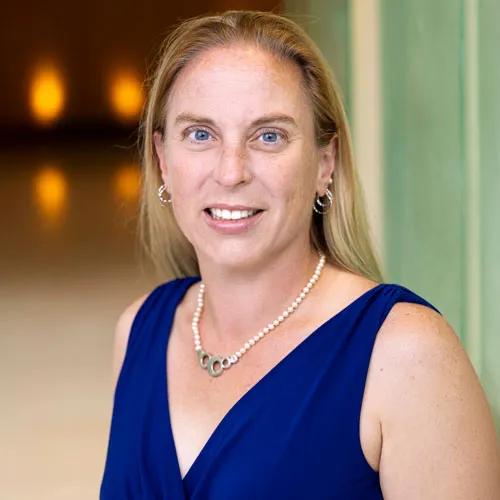
Noelle Carlozzi, PhD
Professor
Stay Informed
Want top health & research news weekly? Sign up for Health Lab’s newsletters today!
Featured News & Stories

A concussion expert and football father discusses why he values teamwork over zero-risk

Expanding camp adventure for all
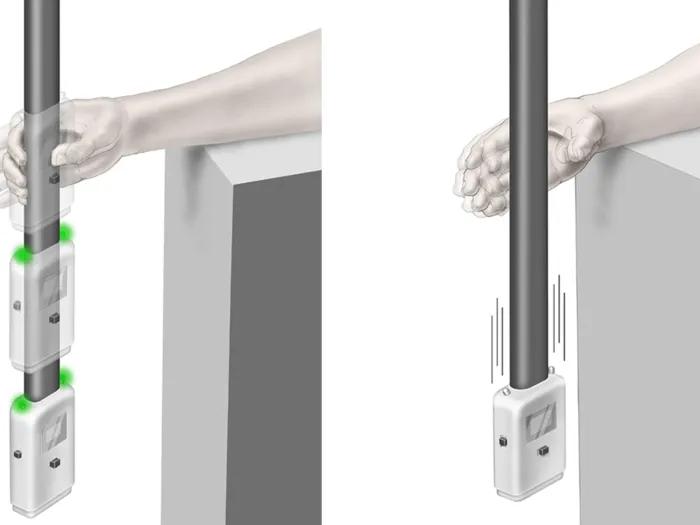
A method to prevent falls before they happen
Giving with gratitude: planned gifts support nursing, research, and patient care
A smarter helmet for the smallest patients