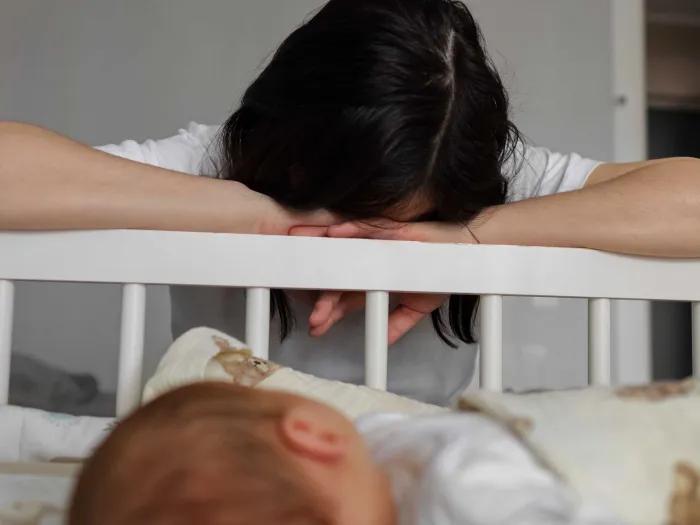
Transgender youth, teens more likely to have sleep disorders
A study finds those who had gender-affirming therapies were less likely to have sleep disorders, suggesting a possible protective effect.
5:00 AM
Author |
Teens and young adults who are transgender are four times more likely to have a sleep disorder compared to cisgender youth, a Michigan Medicine-led study finds.
Researchers analyzed claims data from more than 1.2 million young people aged 12 to 25, of which 2,603 identified as transgender or gender-nonconforming. Results published in the Journal of Clinical Sleep Medicine reveal that transgender youth are 5.4 times more likely to have insomnia and three times more likely to have sleep apnea or other sleep disorders.
Sleep health has rarely been examined in transgender and gender-nonconforming youth, but these results show a concerning number of individuals with disorders that harm sleep quality, says first author Ronald Gavidia, M.D., M.S., sleep medicine physician in the University of Michigan Health Department of Neurology's Division of Sleep Medicine and an assistant professor of neurology at U-M Medical School.
"Given this higher prevalence of sleep disorders in relation to cisgender youth, clinicians should consider screening and testing this population for such disorders," Gavidia said.
Reports on transgender youth and adults have shown a high prevalence of depression and anxiety symptoms, which are known to affect sleep quality and health. Researchers suspect suboptimal mental health may contribute to the association between transgender and gender-nonconforming identity and insomnia.
"Transgender and gender-nonconforming identity may precede mental health disorders and both influence insomnia diagnosis," said senior author Galit Levi Dunietz, Ph.D., M.P.H., epidemiologist in the Department of Neurology's Division of Sleep Medicine and assistant professor of neurology at U-M Medical School.
Of transgender youth in the study, more than half had pursued gender-affirming therapy. That group was half as likely to have any sleep disorder than transgender individuals who did not pursue the therapy.
Gender-affirming therapy, the authors conclude, could be protective against worsening sleep health brought about by psychological stressors from prejudice and discrimination against the transgender community.
"As mood disorders and insomnia have a bidirectional relationship, gender transition through affirming therapies could improve mental health, which, in turn, may decrease the proportion of insomnia by improving gender dysphoria, poor mood and minority stress," Gavidia said.
Researchers say future studies should further examine the burden of sleep disorders prior to and following gender-affirming therapy for these populations.
Additional authors include, Daniel G. Whitney, Ph.D., Shelley Hershner, M.D., both of Michigan Medicine, Ellen M. Selkie, M.D., M.P.H., University of Wisconsin-Madison, Riva Tauman, M.D., Tel Aviv Souraski Medical Center, Sackler School of Medicine.
This work was supported by the National Institutes of Health, as well as the University of Michigan Office of Health Equity and Inclusion Diversity Fund.
Paper cited: "Gender identity and transition: relationships with sleep disorders in US youth" Journal of Clinical Sleep Medicine. DOI: 10.5664/jcsm.10158

Health Lab
Explore thousands of health news & research stories by visiting the Health Lab homepage for more.
Media Contact

Public Relations
Department of Communication at Michigan Medicine
Stay Informed
Want top health & research news weekly? Sign up for Health Lab’s newsletters today!
Featured News & Stories

A pediatric epilepsy fundraiser that changes lives
Pain, psychological factors and physical function closely linked in people with systemic sclerosis
Engineered nanoparticles sensitize gliomas to radiotherapy

Studying Period Pain

Foundation gift inspires additional gifts to strengthen youth mental health care