Timely treatment helps former baseball pro survive on-field stroke with no complications
When a stroke happens, remember B.E. F.A.S.T.
5:00 AM
Author |
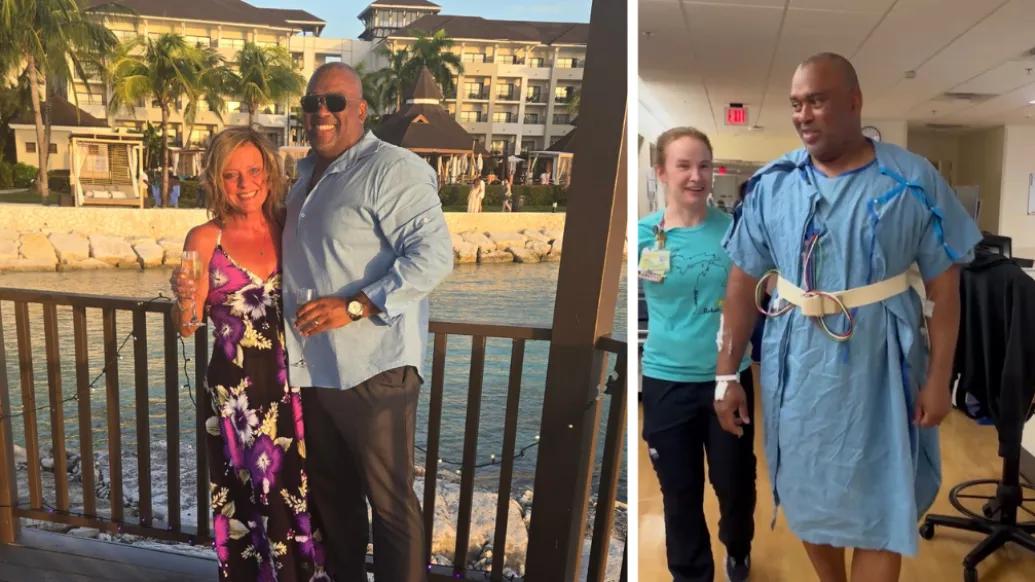
Two days after his players recognized stroke symptoms at practice, a baseball and softball coach left the hospital with zero complications or lingering effects.
Eric Harris, 53, received treatment within one hour of having an acute ischemic stroke — well within the window for receiving the two most effective available therapies.
“The next day, I was moonwalking in the hospital,” said Harris, who played six seasons of professional baseball in the Oakland Athletics organization.
“That wouldn’t have been possible without the young athletes and others who saw that something was wrong and acted quickly. They saved my life.”
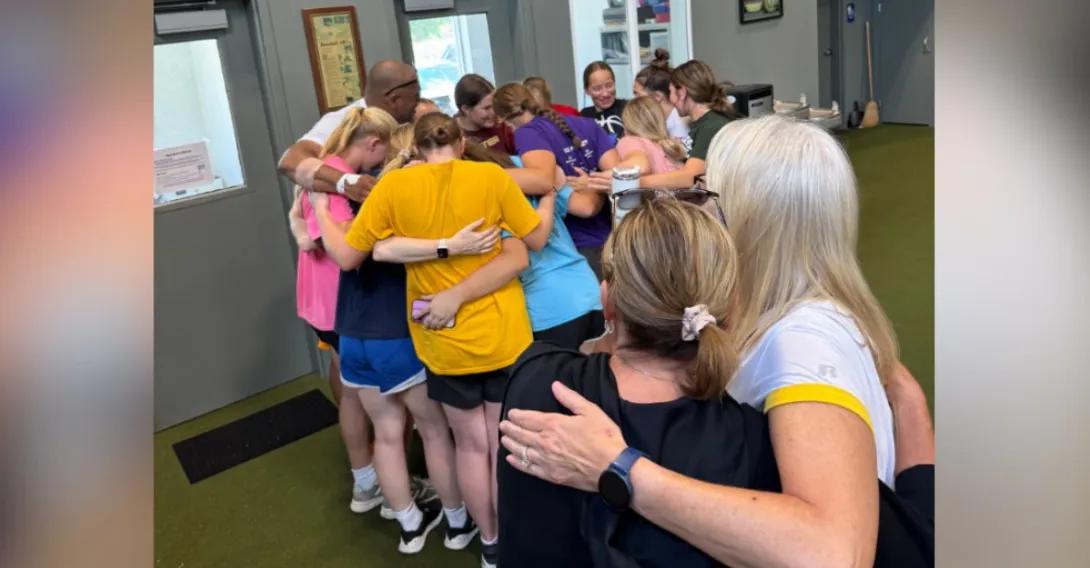
While at a softball training session in June 2025, Harris didn't realize he was having a stroke. The grass of the Saline, Mich., field felt uneven.
But before he could mention it to anyone else, he fell to the ground.
“I was able to talk, but I couldn’t move my left leg or my left arm,” he said.
“I fully remember everything, but I did not understand what was going on.”
One of his coaches, Emily Raubuch, called 911, while her mother, Ann, called Harris’ wife, Lisa.
Within minutes, first responders arrived and transported him to University of Michigan Health in Ann Arbor.
During the drive, they identified a probable stroke, contacted the hospital and requested acute stroke activation.
“When the stroke team is activated, all the many pieces needed to care for a stroke patient move into place rapidly — like a trauma team activation,” said emergency physician Phillip Scott, M.D.
“The patient goes to the resuscitation area for immediate evaluation by a multidisciplinary team. The CT scanner is cleared, and the interventional radiology suite is placed on ready alert.”
Harris had a large vessel occlusion in his right middle cerebral artery, a critical blood vessel.
Within 15 minutes, a neurology team led by neurologist Mollie McDermott, M.D., treated him with the clot-busting medication called Tenecteplase, or TNK.
For most patients, TNK can only be given within 4.5 hours, but for some it can be considered beyond this window.
Harris was also deemed a candidate for endovascular thrombectomy, or EVT, a minimally invasive procedure during which the clot is extracted to restore blood flow.
Aditya Pandey, M.D., Chair of the Department of Neurosurgery, performed the EVT less than 90 minutes after Harris got to the hospital.
“This is a case in which swift action was taken every step of the way — from identification of stroke symptoms to hospital transport and treatment delivery — to ensure that Mr. Harris had the best chance to recover without neurological complications,” McDermott said.
Harris left the hospital having recovered all movement and feeling on his left side.
During rehabilitation, he swung golf clubs to prepare for an outing he played the following week.
The next month, he and Lisa, who were married in late 2024, went on their honeymoon.
Harris returned to the diamond in August to resume coaching baseball and softball.
“I’m very sensitive to everything that happens with my body now,” Harris said.
“My experience is an example of why it is so important to know the signs of a stroke.”
To identify signs of a stroke, remember the acronym B.E. F.A.S.T.:
Balance issues
Eyesight changes/vision loss
Facial droop
Arm weakness
Speech difficulty
Time to call 911
More than 600,000 people in the United States experience their first stroke each year.
Researchers at Michigan Medicine have found that delays in stroke care are linked to higher odds of leaving the hospital with a disability.
“Mr. Harris’ story is a tremendous success, but not everyone recognizes the signs or gets to the hospital quickly,” said Jessica Roberts, M.S.N., F.N.P.-C, C.E.N., a nurse practitioner in the U-M Health Comprehensive Stroke Center.
“In stroke care, time is brain. The sooner you call 911, the sooner we can restore blood flow, and the better the chance of preventing long-term disability.”
Sign up for Health Lab newsletters today. Get medical tips from top experts and learn about new scientific discoveries every week.
Sign up for the Health Lab Podcast. Add us wherever you listen to your favorite shows.

Health Lab
Explore thousands of health news & research stories by visiting the Health Lab homepage for more.
Media Contact

Public Relations
Department of Communication at Michigan Medicine
In This Story
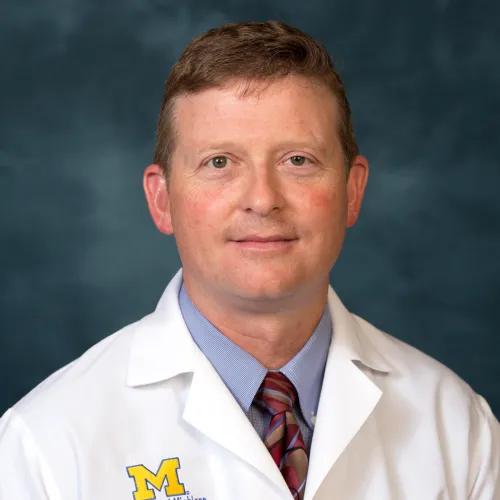
Phillip Scott, MD, MBA, FAAEM, FAHA
Professor
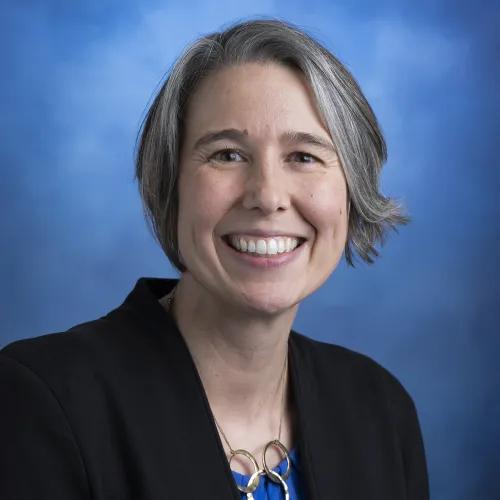
Mollie McDermott, MD, MS
Clinical Professor
Related
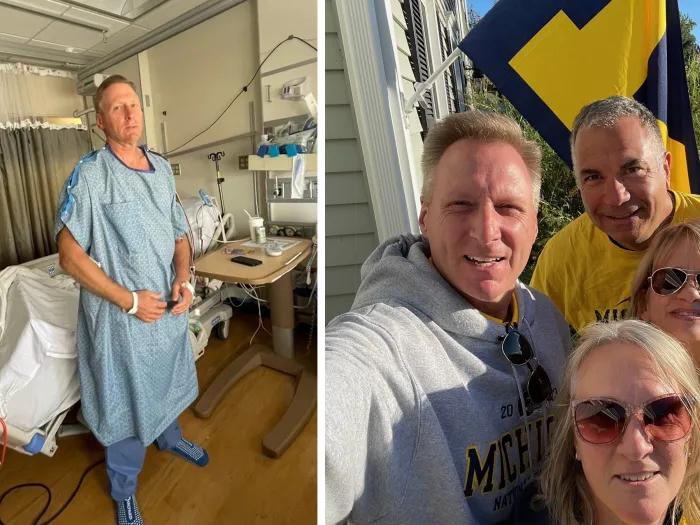
Michigan fan saved after wife recognizes stroke at football game
Stroke survivors miss critical treatment, face greater disability due to systemic transfer delays
Stay Informed
Want top health & research news weekly? Sign up for Health Lab’s newsletters today!
Featured News & Stories

A pediatric epilepsy fundraiser that changes lives

Digital alerts support timely treatment decisions of critically ill cardiac patients

What’s changing in Medicaid and what can you do?

Rabies is on the rise: Experts offer advice

E-Bikes are everywhere, but most parents say they don’t know enough about them