Thoughts don’t kill people, but study suggests options for keeping guns from doing so
Seven percent of Americans have thought of shooting someone, but many either told someone, are open to giving their gun to someone for safekeeping, or didn’t have a firearm at the time
11:00 AM
Author |

Millions of Americans have thought about shooting someone, a new University of Michigan study finds. And if they didn’t already own a firearm, some of them have thought about getting one to make their thoughts a reality.
Over 7% of adults in the United States say that at some time in their life, they have thought about shooting someone else. That percentage corresponds to 19.4 million people.
Over 3%, or about 8.7 million adults, said they have thought of shooting someone in the last year.
Firearm owners were no more likely to have had these thoughts than those who don’t own firearms, according to the findings published in the journal JAMA Network Open and based on a nationally representative survey.
But 8% of individuals who had thought of shooting someone had brought a firearm to a specific place to potentially carry out a shooting.
Among non-firearm owners, 21% of those with thoughts of shooting someone said they had thought of getting a firearm to carry out their thoughts.
Whether or not someone has access to a firearm, the study points to important opportunities for keeping thoughts from turning into potentially deadly actions.
For example, 21% of those who had thoughts of shooting someone told another person what they were thinking – potentially creating an opportunity for intervention before anyone could be harmed.
And while only 7% of those with thoughts of shooting someone said they had given their gun to someone else for safekeeping, another 21% said they would consider doing so in future.
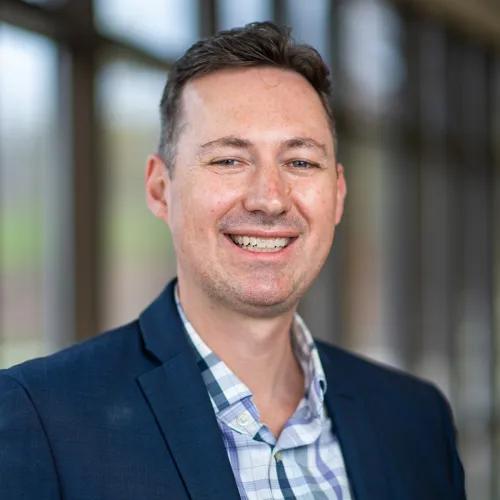
Brian Hicks, Ph.D., the psychologist and Professor of Psychiatry at the U-M Medical School who led the study, says the findings illustrate the scope of the danger of firearm violence, and the need to determine if people who have these thoughts are a high risk for acting on them.
In Michigan and 20 other states, extreme risk protection order laws, sometimes called “red flag” laws, provide a judicial procedure for temporary removal of firearms from people at high risk of harming themselves or others, based on their behaviors, statements or writings.
Hicks also notes that the findings are consistent with policy efforts to implement background checks and waiting periods for firearm purchases to prevent suicides and homicides among those acting on impulse.
“While most people who these thoughts don’t act on them, the number is so high that the small proportion who do act turns into tens of thousands of fatal and nonfatal firearm injuries each year,” he said.
“That does not include the toll of self-harm with firearms, which accounts for over half of firearm-related deaths. The more we can understand factors that can reduce risk, the better.”
Who’s having thoughts about shooting someone, and about whom
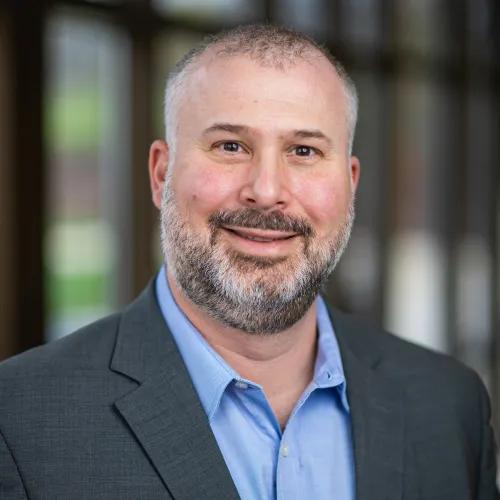
Hicks and coauthor Mark Ilgen, Ph.D., continue to study data from the survey of more than 7,000 adults, called the National Firearms, Alcohol, Cannabis, and Suicide Survey.
The new paper contains their initial analysis of some of the demographic factors that were associated with thoughts of shooting another person.
Men were far more likely than women to have such thoughts. So were people of younger age, people who identified their race or ethnicity as Black, those living in Midwestern states and those living in urban areas. Hicks notes that Black Americans are six times more likely to be homicide victims than white Americans.
Those with household incomes under $50,000 were more likely to have had thoughts of shooting someone in the past year.
There were no significant differences by political ideology.
Asked who they had thought of shooting, 51% said an enemy, while 25% said someone they didn’t know such as a stranger they had a conflict with or people in a public place, 14% said a government official or employee, 10% said a family member, 10% said a former spouse or romantic partner, 9% said a current spouse or romantic partner, and smaller percentages gave other answers. Respondents could give multiple answers.
The survey was conducted in 2025 in English and online, potentially limiting its applicability to populations with limited English proficiency or Internet access.
Hicks notes that future analyses will examine other factors that might be related to thoughts of shooting others such as mental health and substance use problems, and other firearm behaviors such as storage practices, gun carrying, and risky behaviors such as firing a gun after using alcohol or drugs.
The survey was funded by the National Institute of Mental Health (MH137443-01, MH135466-01). The U-M Institute for Firearm Injury Prevention has provided additional support for the survey and data analysis.
Hicks and Ilgen are members of the U-M Addiction Center and Eisenberg Family Depression Center. Ilgen is also a member of the firearm institute and the U-M Institute for Healthcare Policy and Innovation, and the VA Center for Clinical Management Research at the VA Ann Arbor Healthcare System.
Reference: Prevalence of Thoughts of Shooting Others Among US Adults, JAMA Network Open, DOI: 10.1001/jamanetworkopen.2026.0734
Accompanying commentary by Elizabeth Pino, Ph.D., Boston Medical Center: Thoughts About Shooting Others and Preventing Firearm Assaults—From Violent Ideation to Prevention
Learn more about recently enacted Michigan’s firearm laws and assistance for communities and organizations to implement them at mflip.org

Health Lab
Explore thousands of health news & research stories by visiting the Health Lab homepage for more.
Media Contact

Public Relations
Department of Communication at Michigan Medicine
In This Story
Brian M Hicks
Professor
Mark A Ilgen, PhD
Professor
Related
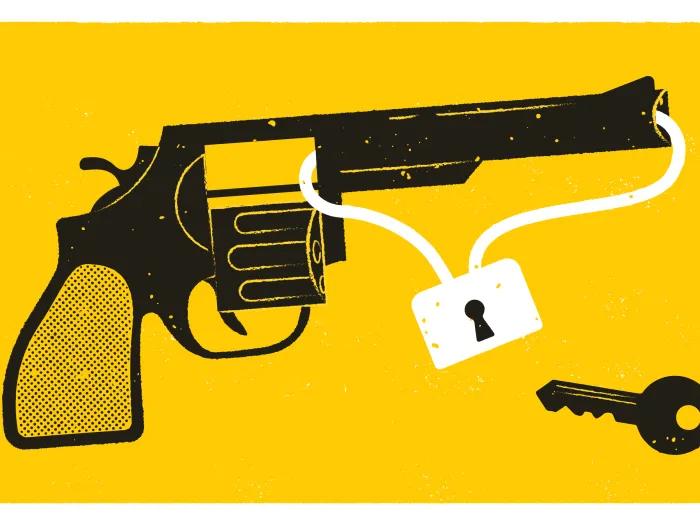
New Michigan laws make storing firearms safely more important than ever

Researchers partner with community to improve firearm safety, reduce injuries
Featured News & Stories

Top 7 tips for choosing Medicare prescription drug coverage for 2027

The AI is listening: Implications of machine generated clinical notes on health care

Many older adults make Medicare decisions quickly and most don’t change plans, poll finds

What’s the latest on 7-OH and kratom availability and addiction care?

Depression in OBGYN residents needs more attention, study suggests