Telestroke patients more likely to receive treatment, but with greater delays
Stroke guidelines recommend treatment within an hour of arriving at the hospital. Only 6 out of 10 telestroke patients met this goal
11:00 AM
Author |
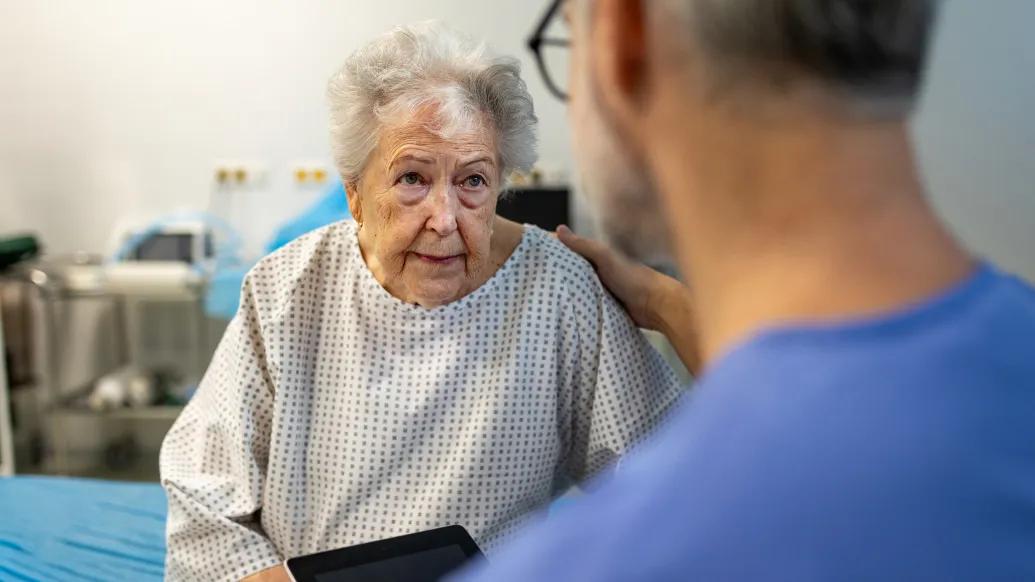
Stroke patients evaluated using telemedicine (telestroke) have higher odds of receiving essential treatment, yet it takes them significantly longer to be treated — potentially limiting the benefits, a Michigan Medicine-led study finds.
Researchers evaluated more than 3,000 patients with ischemic stroke, the most common type, who were potentially eligible for treatment with thrombolysis.
The study used data from 42 hospitals in the Paul Coverdell Michigan Stroke Registry, a program funded by the Centers for Disease Control and Prevention that measures, tracks and aims to improve the quality of care for patients with stroke.
Also called clot-busting medication, thrombolysis is highly time sensitive.
National stroke guidelines from the American Heart Association recommend thrombolysis treatment within 60 minutes of a patient arriving to the hospital.
Patients seen using telestroke were 1.6 times more likely to receiveclot-busting drugs. However, the time it took for telestroke patients to receive treatment after arriving to the hospital, known as “door-to-needle” time — was nearly seven minutes longer than patients evaluated in person.
Telestroke patients had 44% lower odds of being successfully treated within 60 minutes of getting to the hospital.
Results are published in JAMA Network Open.
“Telestroke care has the potential to revolutionize acute stroke treatment by improving access to lifesaving treatment, but our findings highlight clear gaps in the ability to promptly treat these patients after they are evaluated,” said Brian Stamm, M.D., M.Sc., lead author and clinical assistant professor of neurology at University of Michigan Medical School.
“This is a major opportunity for quality improvement to identify unique factors in telestroke systems that contribute to treatment delays.”
Telestroke evaluations happened more often at rural hospitals and health systems without comprehensive stroke centers.
Investigators also evaluated a subgroup of patients who required transfer to another hospital for advanced stroke treatment and found that it took telestroke patients 47 minutes longer to be transferred, compared to stroke patients evaluated in person.
Delays in hospital transfer may limit a patient’s eligibility for endovascular thrombectomy, a minimally invasive surgical procedure to remove a large blood clot causing stroke.
The American Heart Association recommends that potential candidates for endovascular therapy spend fewer than 90 minutes in the initial transferring emergency department (known as the “door-in-door-out time”), and the Joint Commission recommends this time be less than 120 minutes for all stroke patients.
Past U-M research found that nearly three-quarters of stroke patients who require a transfer wait longer than two hours.
The current study suggests these transfers may take even longer for telestroke patients.
“We know that stroke transfer times are a major problem for the entire stroke care system, but our study highlights particular challenges for telestroke patients,” said Deborah Levine, M.D., M.P.H., senior author and professor of internal medicine and neurology at U-M Medical School.
“Several barriers exist for timely transfer to comprehensive stroke centers, including lack of EMS availability and difficulty finding an accepting facility.”
Stroke providers often use the saying, “Time is brain,” to reflect the importance of speedy acute stroke treatment.
The likelihood of neurologic and functional deficits rapidly increases without timely stroke care. Patients experiencing large vessel ischemic strokes lose nearly 2 million neurons each minute.
In 2010, the AHA created the Target: Stroke program to improve national stroke treatment efficiency.
A study conducted four years later found that hospitals participating in the program reduced average door-to-needle treatment times from 74 to 59 minutes.
AHA’s Target: Stroke now has a goal of treating 85% of ischemic stroke patients within 60 minutes of hospital arrival.
In the U-M study, only 60% of patients evaluated using telestroke received thrombolysis within the hour.
“Telestroke has markedly increased access to stroke care and is an essential component of stroke systems,” said co-author Mollie McDermott, M.D., M.S., director of the Stroke Division at U-M Health and clinical associate professor of neurology at U-M Medical School.
“Yet, our findings suggest there is considerable room to ‘move the needle’ on timely stroke treatment for patients evaluated by telestroke.”
Additional authors: Rachael T. Whitney, Ph.D., Regina Royan, M.D., M.P.H., Rebecca A. Ferber, M.P.H., Wen Ye, Ph.D., Wan-Ling Hsu, Ph.D., Nikita Chhabra, D.O., Rodney A. Hayward, M.D., and Phillip A. Scott, M.D., all of University of Michigan, Ghada Ibrahim, M.S., and Adrienne V. Nickles, M.P.H., both of the Michigan Department of Health and Human Services, Kevin N. Sheth, M.D., of Yale University, and Mathew J. Reeves, BVSc, Ph.D., of Michigan State University.
Funding/disclosures: This study was partially supported by the Michigan Department of Health and Human Services and the Centers for Disease Control and Prevention (1NU58DP007883-01-00).
The content is solely the responsibility of the authors and does not necessarily represent the official views of MDHSS or CDC.
This work also received funding from the Timely Topics in Telehealth/e-Health Research Seed Grant from the Institute for Healthcare Policy and Innovation at the University of Michigan.
Royan is an Assistant Editor at JAMA Network Open. She was not involved in any editorial decisions related to this manuscript.
Paper cited: “Telestroke and Timely Treatment and Outcomes in Patients With Acute Ischemic Stroke,” JAMA: Network Open. DOI: 10.1001/jamanetworkopen.2025.34275

Health Lab
Explore thousands of health news & research stories by visiting the Health Lab homepage for more.
Media Contact

Public Relations
Department of Communication at Michigan Medicine
In This Story
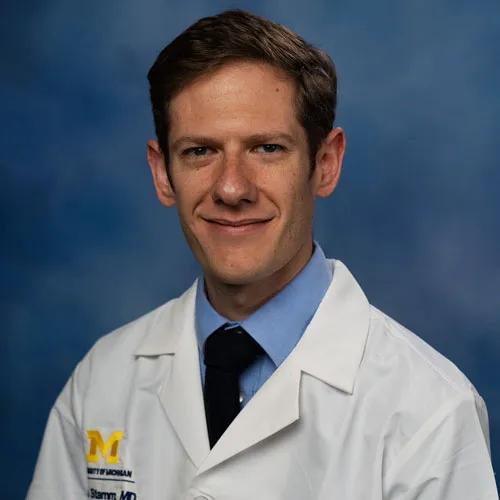
Brian Stamm, M,D,, MSc
Assistant Professor

Mollie McDermott, MD, MS
Clinical Professor
Related

Black stroke patients arrive later to hospitals, EMS less likely to notify

Nearly three-quarters of stroke patients requiring higher level of care wait over two hours for transfer
Stay Informed
Want top health & research news weekly? Sign up for Health Lab’s newsletters today!
Featured News & Stories

What’s changing in Medicaid and what can you do?

Study outlines a new framework for direct cell reprogramming

New insight into how lipodystrophy can affect overall health

Is the United States Lagging Behind Europe in Memory Improvement?
FDA-approved drug offers hope for patients with polycythemia vera, a rare bone marrow disorder