Teen with severe epilepsy finds seizure relief through ketogenic diet
Since starting the medical diet to treat Dravet syndrome, 16-year-old Armando hasn't had seizure clusters or hospital stays
5:00 AM
Author |
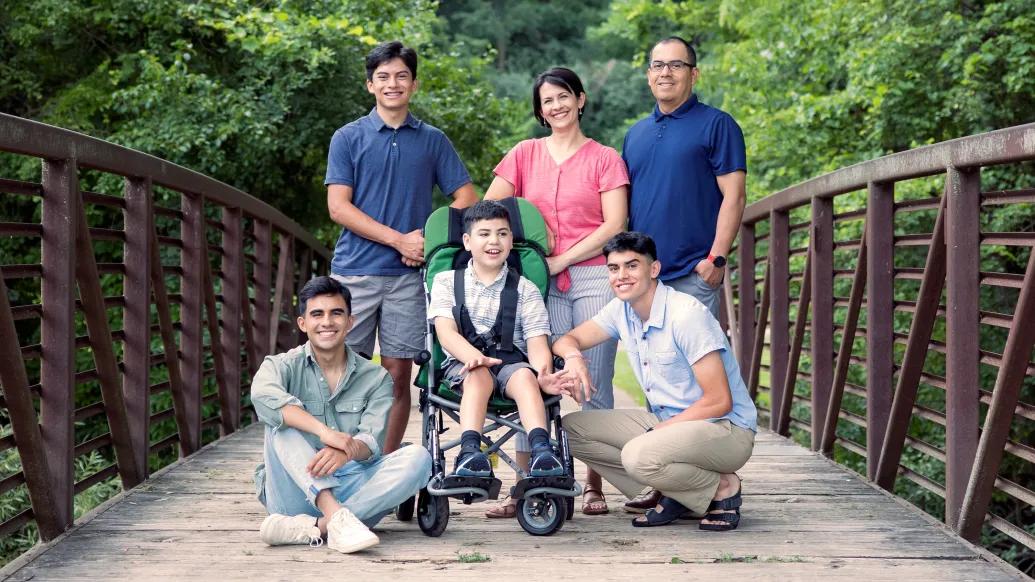
When Mandee Ordaz makes scrambled eggs it’s often down to a science: 75 grams of egg yolks, five grams of bacon and 39 grams of butter.
That’s because for her son Armando, this isn’t just his breakfast – it’s his medicine.
Ordaz’ weekly routine includes prepping, measuring and storing meals that each require a precise ratio of protein to fats to carbs, down to the last gram.
Rigorous adherence to this medical ketogenic diet is essential to managing the relentless seizures that would disrupt Armando’s life due to a rare and severe form of epilepsy called Dravet syndrome.
“Food has a different meaning for him,” Ordaz said.
“There are a lot of sacrifices for this diet. Going anywhere with him requires intense planning but I think because our road to diagnosis was so hard, we’re committed to doing what it takes to keep him as healthy as possible.”
Armando’s family works closely with pediatric neurologists, nutritionists and other members of the Comprehensive Epilepsy Program at University of Michigan Health C.S. Mott Children’s Hospital to manage the teen’s care.
They hope sharing Armando’s story helps raise awareness about the impact of epilepsy and the importance of advancing research in the field.
“We have made a lot of strides in treating epilepsy and Dravet syndrome during his lifetime. Kids are now getting test results right away so they can get treated more quickly than he did,” Ordaz said. “Continuing research is so important to this population.”
A delayed diagnosis
Armando had his first seizure when he was three months old on Christmas Eve in 2009.
Over the next year, the seizures became more frequent and longer, accompanied by visits to the emergency room and seeing pediatric neurologists who prescribed medication that didn’t seem to help.
The chronic traumatic stress for families living with Dravet syndrome compounded by the lack of doing fun family activities can be extremely difficult … We’re doing so much better now that we have access to quality caregivers to help us and have the best support from U-M.”
-Mandee Ordaz
At the time, genetic testing was new and Dravet syndrome wasn’t part of standard genetic testing, so the family didn’t have an accurate diagnosis from their local hospital.
Unbeknownst to Armando’s family and care team, the multiple seizure medications he was taking – which are standard for other forms of epilepsy – were actually having the opposite effect for Armando.
Instead of preventing seizures, the medications were triggering them, worsening each time the doses were increased.
“It was so frustrating. He failed five seizure medications and by the time he was 18 months old he started experiencing cognitive decline and stopped talking,” Ordaz said.
“He’d sleep and seize all day.”
Not until a hospital stay when he was two years old did a doctor mention the possibility of Dravet syndrome.
Genetic testing eventually led to a proper diagnosis and switch in medications.
The family later transferred Armando’s care to U-M Health C.S. Mott Children’s Hospital where researchers are studying better ways to treat Dravet syndrome.
Today, a combination of medications and the ketogenic diet keeps Armando’s seizures at bay.

“There were a lot more unknowns about Dravet syndrome when Armando was little and his later diagnosis impacted his treatment along the way,” said Julie Ziobro, M.D., Ph.D., a pediatric neurologist at the Comprehensive Pediatric Epilepsy Program at Mott Children’s and site sub-investigator for a clinical trial for a new potential treatment for Dravet syndrome.
“We’re always cautious about side effects when starting new medications for him but Armando has tolerated the diet really well and has significantly fewer seizures,” she said.
“His family members are amazing advocates that get out and do all the things he enjoys,” she added.
“They’re really focused on his quality of life and sharing experiences with him that typically developing kids have.”
A significant lifestyle shift
Staying on the ketogenic diet took time and patience and many adjustments along the way, Ordaz says.
The family has experimented with several recipes, using online food calculators and guidance from their pediatric epilepsy dietitian at Mott while being mindful of what Armando enjoys.
Meals have to be eaten in specific time intervals, which means a lot of premeasuring and prepacking, especially if the family is on the go or traveling.
There are financial strains and workload associated with the diet as well, which often requires expensive grocery purchases and supplements.
But Armando’s family immediately noticed healthy weight gain and other improvements in his health.
He no longer has seizure clusters or hospitalizations, which are common for people with Dravet syndrome.
The positive changes meant Armando’s three brothers could return to soccer and other activities, which the family had paused.
“We never knew when we’d need to go to the hospital. It would happen at any time,” she said. “We were able to live more normally and I knew I could drive the kids to boy scouts or soccer practice and not have a hospital bag ready to go at any minute.”
“Armando is the real champ,” she added.
Armando didn’t regain speaking skills but enjoys family activities like walking, biking, swimming and bowling.
He also likes watching sports like basketball and tennis and spending time with his family, which includes dad Arturo and brothers Antonio, Alejandro and Alonzo.
Ordaz relies on a ketogenic parent support group through U-M and Armando’s care team for extra support and connection.
“The chronic traumatic stress for families living with Dravet syndrome compounded by the lack of doing fun family activities can be extremely difficult and detrimental to your mental health and family relationships,” she said.
“We’re doing so much better now that we have access to quality caregivers to help us and have the best support from U-M, which has far surpassed anything we’ve experienced so far.”
Sign up for Health Lab newsletters today. Get medical tips from top experts and learn about new scientific discoveries every week.
Sign up for the Health Lab Podcast. Add us wherever you listen to your favorite shows.

Health Lab
Explore thousands of health news & research stories by visiting the Health Lab homepage for more.
Media Contact

Public Relations
Department of Communication at Michigan Medicine
In This Story
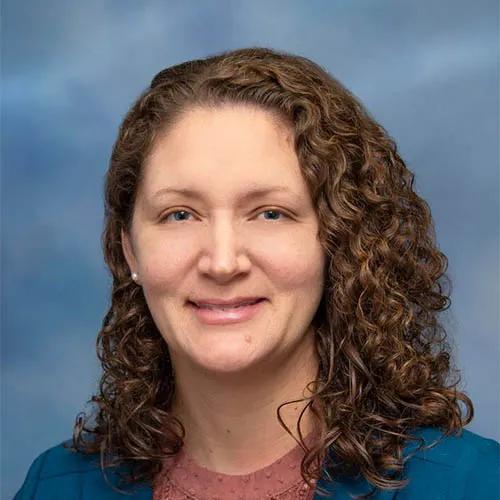
Julie Ziobro, MD PhD
Assistant Professor
Related
The dangerous intestinal disease fatal to premature babies and vulnerable infants
Stay Informed
Want top health & research news weekly? Sign up for Health Lab’s newsletters today!
Featured News & Stories

The faces of epilepsy: finding strength in hope

Teen’s journey with severe epilepsy inspires family’s mission for awareness

Family seeks answers as rare neurodegenerative disease affects teen daughter

“Miracle Maddy” pursues high school diploma after complex brain surgery for extremely rare epilepsy

A pediatric epilepsy fundraiser that changes lives