Taking Care of Someone with Dementia? Take Care of Yourself, Too
Help is available to manage the stress of caregiving. A leader of the U-M poll that recently surveyed dementia caregivers shares some of the top places to turn.
7:00 AM
Author |
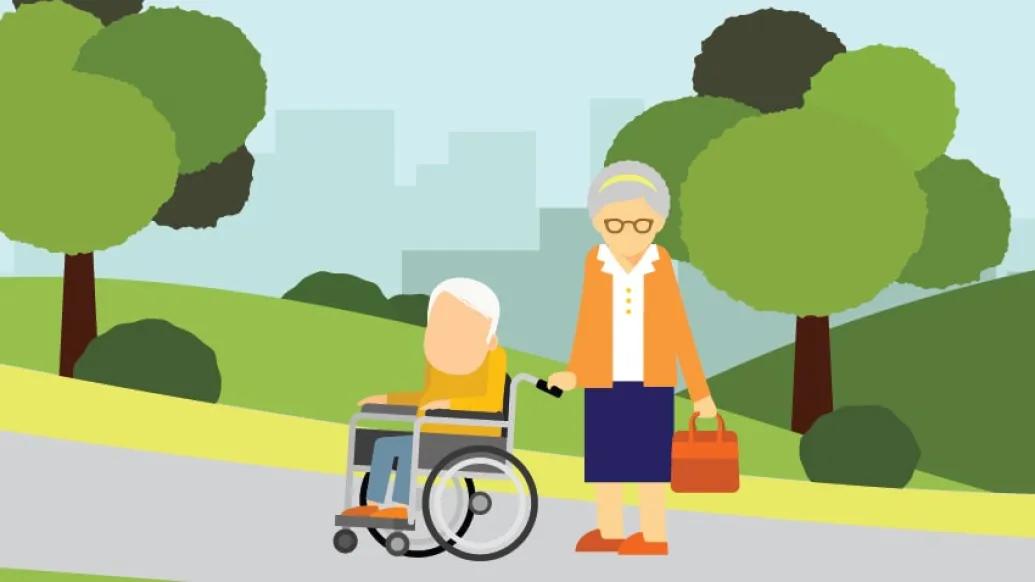
It happens quietly every day, in millions of homes around the country. People who get little recognition, no pay and few breaks. They're caregivers, the family and friends who help people with Alzheimer's disease and other forms of dementia.
It can be a fulfilling, but challenging, role. In a new poll, the vast majority of dementia caregivers — 85 percent — said it's a rewarding experience to care for a parent, spouse, family member or friend with cognitive issues and other dementia symptoms. In fact, 45 percent rated it as "very rewarding."
But a nearly equal number — 78 percent — also said it was somewhat or very stressful. Of those who called caregiving "very stressful," 40 percent also said it was not rewarding.
The poll also found that three-quarters of dementia caregivers don't take advantage of resources that can help.
Erica Solway, Ph.D., who helps direct the poll at the University of Michigan, says this needs to change, given the importance of the caregiver role.
"We can see that family caregivers need better support," she says. "Health care providers should ask their patients if they have caregiving responsibilities, and family and friends can offer to provide additional help so caregivers can take time for their own health and well-being.
As the population ages and the number of available caregivers is unlikely to keep pace, this will become more important."
Solway also says many resources exist for family and friends who care for people with dementia and other conditions. But it may be hard to know where to turn.
Resources
AARP
The poll's co-sponsor, AARP, offers a wide range of online and in-person services for dementia caregivers. It also has Prepare to Care guides in English, Spanish and Chinese for anyone planning to take on a caregiving role.
U-M's Program for Positive Aging
Michigan-based caregivers can come to a training session Nov. 20 in Ann Arbor that will help them recognize, anticipate and respond to the behavioral aspects of dementia.
U-M's Alzheimer's Disease Center
Caregivers from southeast Michigan can take part in the center's Wellness Initiative events and a Mindfulness Based Dementia Care course. The center also has a calendar of events in the area for dementia caregivers and the people they care for.
The Alzheimer's Association
The Alzheimer's Association devotes an entire section of its website to caregivers, including an online discussion forum and a quick "stress check" quiz. State and regional chapters of the association also have websites with information about local support groups, respite care and more.
There's also a toll-free 24/7 Helpline with reliable information from counselors available around-the-clock and translators available for many languages. Call 800-272-3900 (TDD: 866-403-3073).
Governmental resources
The National Institute on Aging has many articles and tools for caregivers and an up-to-date list of research studies that need volunteers — patients and caregivers alike.
Beyond dementia
The Family Caregiver Alliance offers information, events and more for people who take care of any adult with serious physical or cognitive limits. It makes it easier to find information about programs in each state.
The Caring.com site acts as a clearinghouse of information for caregivers and families seeking care options for loved ones, for all kinds of conditions.
The National Poll on Healthy Aging was conducted by the University of Michigan Institute for Healthcare Policy and Innovation and sponsored by AARP and Michigan Medicine. Learn more and sign up to receive monthly reports on the poll's findings about a wide range of aging-related issues.

Health Lab
Explore thousands of health news & research stories by visiting the Health Lab homepage for more.
Media Contact

Public Relations
Department of Communication at Michigan Medicine
Stay Informed
Want top health & research news weekly? Sign up for Health Lab’s newsletters today!
Featured News & Stories

Many older adults make Medicare decisions quickly and most don’t change plans, poll finds
4 in 5 parents say having a baby is too expensive

Can Your Voice Reveal Early Signs of Alzheimer’s?

A pediatric epilepsy fundraiser that changes lives

Many hospitals still don’t do enough to prevent UTIs from catheters