Sugar Shock: Insulin Costs Tripled in 10 Years
New research shows yearly spending on insulin by people with diabetes, and cost per milliliter, has risen sharply — outpacing costs for other blood sugar medications.
12:00 PM
Author |
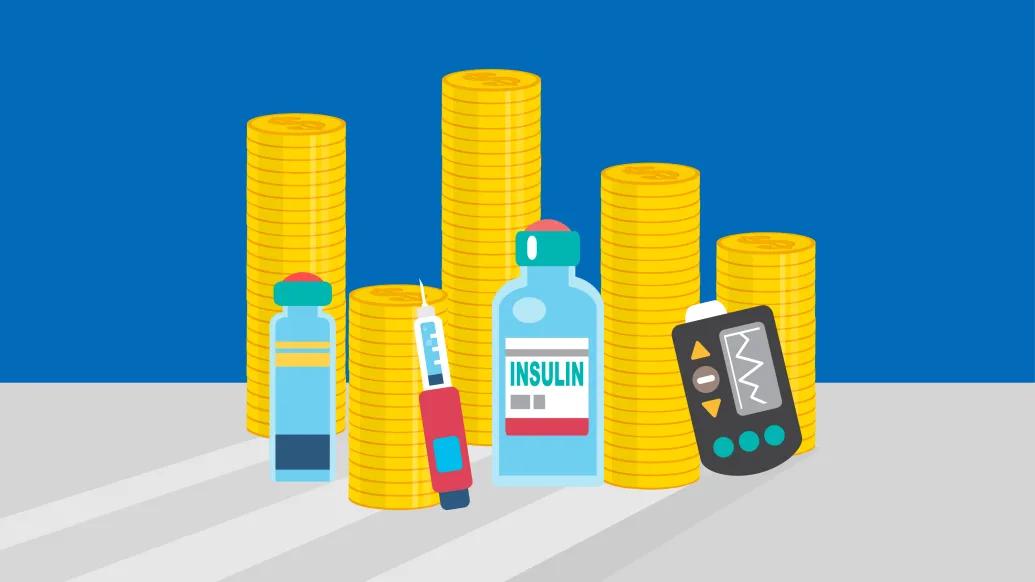
People with diabetes who rely on insulin have seen the cost of that drug triple in just a decade — even as doctors have prescribed higher doses to drive down the patients' blood sugar levels.
The rise in insulin costs was so large that, since 2010, the per-person spending on insulin has been higher than the per-person spending on all other diabetes drugs combined. Meanwhile, the cost of other diabetes drugs has stayed about the same or even gone down.
Published April 5 in the Journal of the American Medical Association, the findings estimate in constant dollars what patients and their insurance plans paid from 2002 to 2013 for all antihyperglycemics, or medicines that reduce blood sugar levels.
Study authors say the rise in insulin costs compared with other therapies means it's time to look again at the effect, and the cost-effectiveness, of non-insulin therapies. They also note that the price of insulin is not likely to drop because of competition from generic forms, because of the way it is regulated.
The team, including researchers from the University of Melbourne in Australia and the University of Michigan, used data from the federal Medical Expenditure Panel Survey, which asks patients and insurers about care and costs.
"In the United States, the more than threefold increase in the cost of insulin over the past decade is alarming. It is a burden to both patients and payers and may deny some people access to a lifesaving therapy," says William Herman, M.D., MPH, a co-author and longtime U-M diabetes care researcher. "Although the newer, more expensive insulin analogs appear to have incremental benefits compared with older, less expensive insulin preparations, their premium price requires us to ask whether they are really necessary, and if so, for whom?"
Herman, a professor of internal medicine at the Medical School and of epidemiology at the School of Public Health, is a member of the U-M Institute for Healthcare Policy and Innovation.
"What our study shows is how quickly things can change and why there is a need to focus on the costs as well as the benefits when deciding treatment options for people with diabetes," says Philip Clarke, Ph.D., the study's senior author and a professor in Melbourne's School of Population and Global Health and Centre for Health Policy.
In the United States, the more than threefold increase in the cost of insulin over the past decade is alarming. It is a burden to both patients and payers and may deny some people access to a lifesaving therapy.William Herman, M.D., MPH
Rising prices and doses
Insulin injections keep people with Type 1 diabetes alive. These patients take multiple daily injections, often starting in childhood. For adults with advanced Type 2 diabetes, doctors prescribe insulin to control blood sugar and stave off devastating damage throughout the body — usually after diet and exercise, and other medications, have failed to reduce blood sugar levels enough.
In the time period studied, the total cost of insulin more than tripled, from $231 a year to $736 a year for each patient, in 2013 dollars. The cost per milliliter of insulin nearly tripled in that same time, from $4.34 to $12.92.
In the same period, the average annual usage went from 171 mL to 206 mL, as prescribed doses went up. This likely happened due to more people being overweight or obese, which increases the amount of insulin a person needs, and new national recommendations that stress lower sugar levels for all people with diabetes.
Meanwhile, the per-person spending on all other blood sugar medications was $502 in 2013, down from about $600 in 2002 in constant dollars. The cost of these medications combined dropped over the first nine years, bottomed out in 2011 and rose slightly since then.
The cost of metformin, which is available as a generic drug, plummeted from $1.24 per tablet in 2002 to just 31 cents in 2013. Even the cost of the newer class of drugs known as DPP-4 inhibitors rose a relatively modest 34 percent since hitting the market in 2006.
The researchers analyzed data from nearly 28,000 people who received treatment for diabetes in the 11-year period, a time when diabetes incidence was rising steadily. The average age was around 60.
About 1 in 4 of the participants used insulin to control blood sugar, and two-thirds were taking an oral medication. In the latter part of the study period, a small percentage began taking new injectable drugs designed to complement oral drug use.
An opportunity to segment and study
The researchers could not separate out users of synthetic human insulin, the least-expensive form currently available, from those who used the more recently introduced "analog" forms that act more slowly or quickly in the body depending on the desired effect.
They also didn't have data on what insulin users spent on the needles and other devices used to inject insulin, except when that cost was included in drug costs, such as for prefilled insulin pens.
Nor did they have information on which oral medication users took in generic forms, which are less expensive. But they note that prices of oral medications are likely to drop over time as generics become available. Meanwhile, the Food and Drug Administration's regulation of insulin as a biologic medication means prices likely won't drop as generic competitors enter the market and encounter the strict rules governing biologics.
Additional research using data that includes these details could further enhance understanding of how costs have changed for people with diabetes over the years.

Health Lab
Explore thousands of health news & research stories by visiting the Health Lab homepage for more.
Media Contact

Public Relations
Department of Communication at Michigan Medicine
Stay Informed
Want top health & research news weekly? Sign up for Health Lab’s newsletters today!
Featured News & Stories

Gene editing is coming for common diseases. Are we ready?

Is the United States Lagging Behind Europe in Memory Improvement?

Using genetic testing, doctors help patient find answers for her diabetes

Medicare's New GLP-1 Bridge Program
Supplementing with peptides: Good for extra pep or a needless step?