Study suggests some maternal HIV infections may be missed during pregnancy
More than half of newborns diagnosed with HIV by age one did not receive preventative medicine after birth, suggesting undetected maternal infections
5:00 AM
Author |
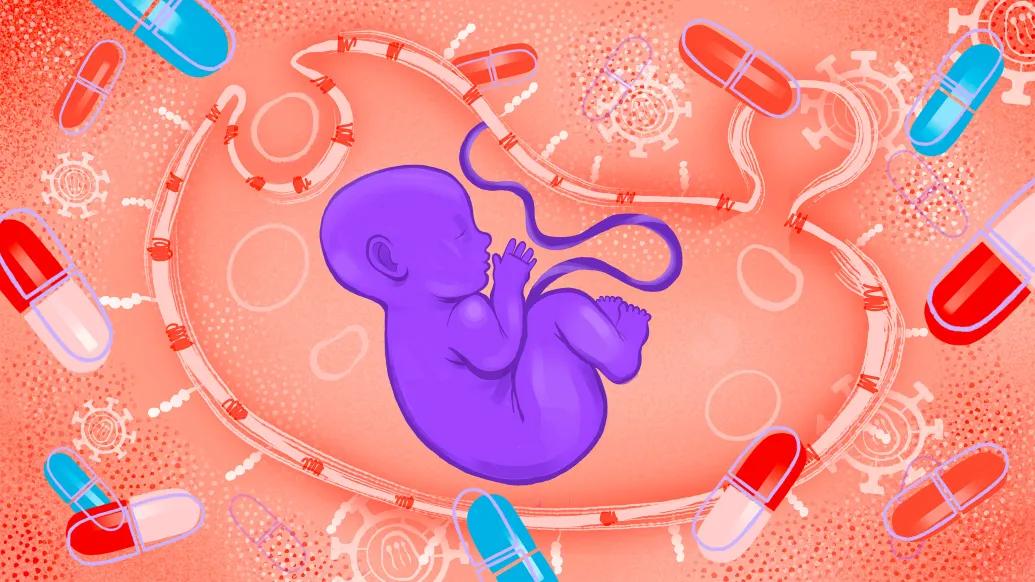
Newborns exposed to HIV during pregnancy or birth should receive preventive antiretroviral medication immediately after delivery to reduce the risk of transmission from mother to child.
But a study finds that more than half of infants diagnosed with HIV in their first year of life had not received this essential postnatal treatment — suggesting their mothers’ infections may not have been detected during pregnancy.
The study also highlights racial disparities in HIV exposure, infection and treatment: The majority of infants who had not been treated for an HIV infection after birth were Black, according to the findings in Pediatrics.
“Being born with HIV profoundly affects a child’s health and future, and we have effective tools to prevent it,” said senior author Kengo Inagaki, M.D., pediatric infectious disease specialist at University of Michigan Health C.S. Mott Children’s Hospital.
“When newborns aren’t getting preventive treatment, it suggests we may be missing HIV infections in pregnant women and missing critical opportunities to intervene.”
Missed prevention in high risk infants
Researchers analyzed Medicaid data for more than three million infants born between 2009 and 2021. Among 52 infants diagnosed with HIV by age one, more than half had not received the recommended postnatal antiretroviral prophylaxis.
“Our findings point to potential gaps in prenatal HIV detection,” said Inagaki, who's also a researcher at the U-M Medical School and with the Institute for Healthcare Policy and Innovation.
“Universal HIV screening is recommended in the first trimester, but it's not consistently repeated later in pregnancy, when new infections can occur.”
Retesting during the third trimester, he adds, could help identify mothers who acquire HIV later in pregnancy — and prevent mother-to-child transmission through timely treatment.
Racial disparities consistent with national data
The study also reflects broader national trends in racial disparities related to HIV. Nearly 74% of infants who were diagnosed with HIV but did not receive preventive medication were Black.
Virtually all perinatal HIV infections in the U.S. are preventable. But that prevention starts with diagnosing maternal HIV early. If we miss the infection in the mother, we miss the chance to protect the baby.”
-Kengo Inagaki, M.D.
This reflects long-standing disparities in health care access, including HIV screening and maternal care, Inagaki says. National surveillance data show that while women account for about 18% of new HIV infections in the United States, more than 60% of these are in women of childbearing age and over half of those are Black women.
Strengthening prevention for at-risk newborns
U.S. guidelines for preventing perinatal HIV transmission have evolved over the last three decades. Today, nearly all infants born to mothers with known HIV infections receive postnatal antiretroviral prophylaxis, significantly reducing their risk of infection.
“Virtually all perinatal HIV infections in the U.S. are preventable,” Inagaki said.
“But that prevention starts with diagnosing maternal HIV early. If we miss the infection in the mother, we miss the chance to protect the baby.”
“HIV is a lifelong condition requiring lifelong care. That’s why timely detection and treatment in both mothers and infants must remain a public health priority.”
Additional authors: Mingyue Lu, MPP; and Charlotte Hobbs, M.D.
Paper cited: “Postnatal Antiretroviral Prophylaxis and Perinatal HIV Infection in Medicaid-Enrolled Infants,” Pediatrics. DOI: 10.1542/peds.2025-070746

Health Lab
Explore thousands of health news & research stories by visiting the Health Lab homepage for more.
Media Contact

Public Relations
Department of Communication at Michigan Medicine
Related
The dangerous intestinal disease fatal to premature babies and vulnerable infants
Stay Informed
Want top health & research news weekly? Sign up for Health Lab’s newsletters today!
Featured News & Stories
A metabolic “switch” that could help reset scar-producing cells in scleroderma

Emergency room intervention pairs smartphone, telehealth counseling to reduce risky firearm behavior

A pediatric epilepsy fundraiser that changes lives
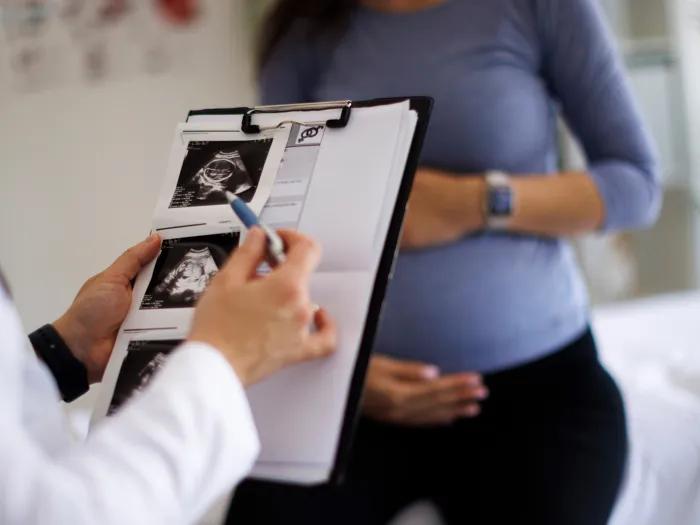
Better prenatal care data could help prevent maternal complications, experts say
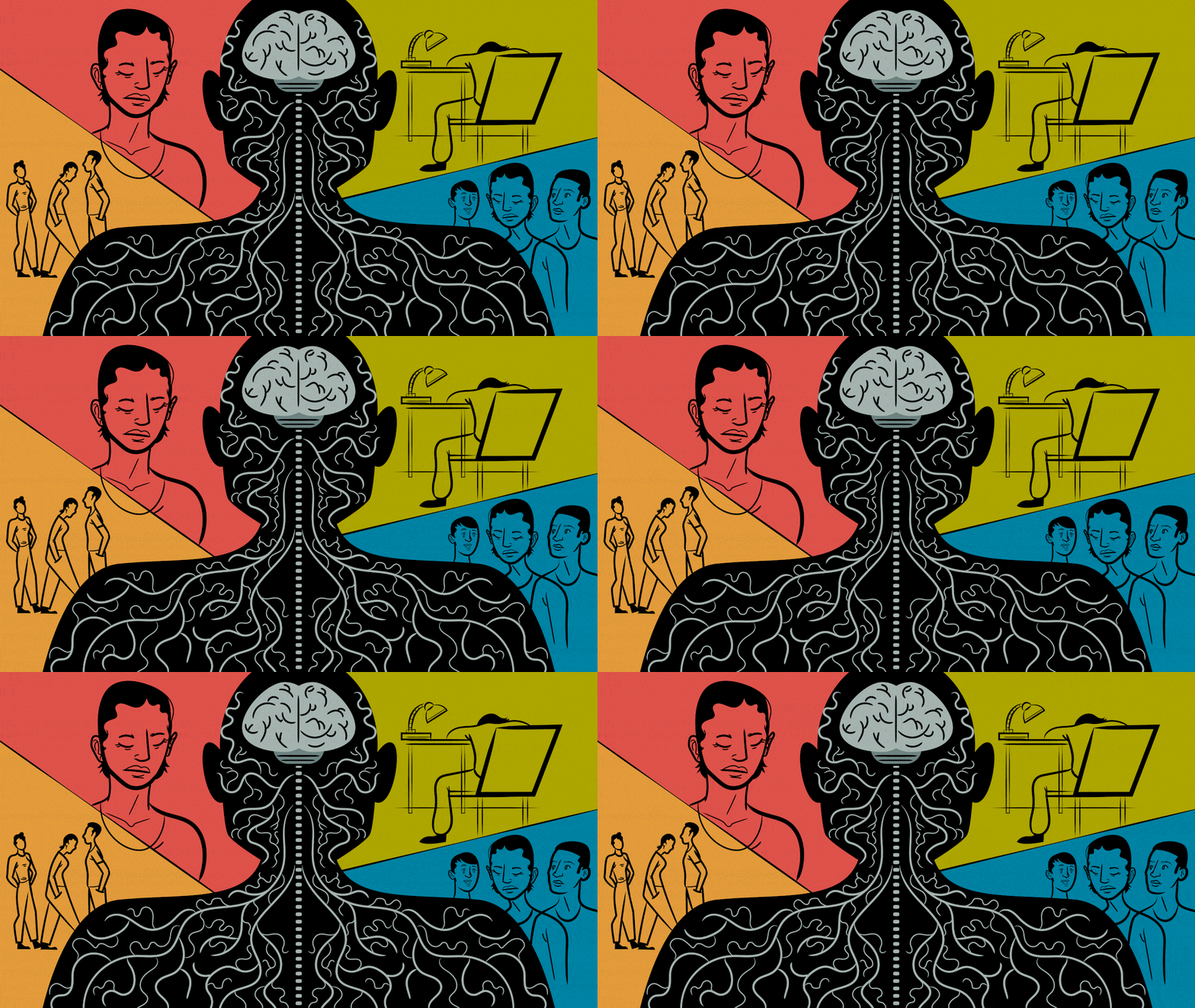
Pain, psychological factors and physical function closely linked in people with systemic sclerosis