Study suggests fibroid rates in Latina women may be lower than previously thought
Large U.S. study finds about 12% prevalence using ultrasound-confirmed diagnoses
12:14 PM
Author |
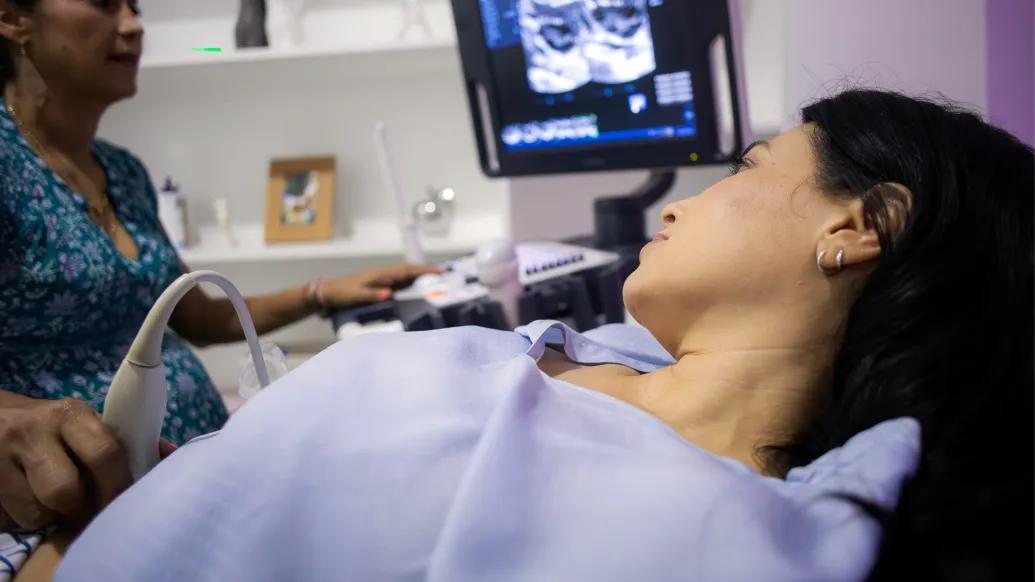
Uterine fibroids may be less common in Latina women than earlier estimates suggested, according to new research.
The study, led by researchers at Michigan Medicine, is one of the largest in the United States to confirm fibroid cases using ultrasound, considered a more accurate method than self-reporting or medical records alone.
“There has been limited data on how fibroids affect Latina women,” said lead author Erica E. Marsh, M.D., Professor of Obstetrics and Gynecology at the University of Michigan Medical School and Chief of the Division of Reproductive Endocrinology and Infertility at U-M Health Von Voigtlander Women's Hospital.
“These findings help us better understand this population and will inform future research, as well as how we counsel and treat patients.”
The study included 621 reproductive-age Latina women, primarily of Mexican descent, ages 21 to 50.
Researchers found that 11.8% had fibroids, a lower rate than some previous estimates, which have been as high as 37% for this group.
Rates increased with age, with a 3.5% prevalence among women ages 21–30 and 18.7% among women ages 41–50, according to the findings in the American Journal of Obstetrics & Gynecology.
Opening the door to future research on fibroid development
The data comes from ELLAS (Environment, Leiomyomas, Latinas, and Adiposity Study), the largest U.S.-based study focused specifically on fibroids in Latina women.
Based in Southeast Michigan, the research leveraged community based participatory research methodology to examine how factors like weight, metabolism, and environment may influence fibroid development and growth.
Understanding these differences could give us important clues about how fibroids develop. That knowledge could ultimately benefit all patients.”
- Erica E. Marsh, M.D.
“For far too long, we have not had ultrasound confirmed prevalence data on fibroids on Latinas.
"Using CBPR principles, which center community and respect in research, we now have this powerful data from ELLAS on not only fibroids, but on so many aspects of Latina reproductive health,” said Felix M. Valbuena Jr, M.D., community co-author and CEO of the CHASS Center in Detroit.
Fibroids, also called uterine leiomyomas, are noncancerous growths in the uterus.
Previous research suggests that by age 50, up to 70% of white women and more than 80% of Black women develop fibroids.
While many people with fibroids have no symptoms, others may experience heavy menstrual bleeding, pelvic pain, fertility challenges or pregnancy complications.
Fibroids are also a leading reason for hysterectomy in the United States and contribute to an estimated $35 billion in annual healthcare costs.
Researchers say the new findings provide important context for both clinicians and patients, helping improve conversations around risk and care.
Future research, Marsh notes, may explore possible protective factors, including diet, environmental exposures and other health and social influences that could help explain why fibroid rates may be lower in the Latina/LatinaX population.
“Understanding these differences could give us important clues about how fibroids develop,” Marsh said. “That knowledge could ultimately benefit all patients.”
Additional authors: Danielle Jean, M.D.; Charley Jiang, M.S.; Sioban Harlow, Ph.D.; Lisa Neff, M.D., M.S.; Mercedes Carnethon, Ph.D., M.P.H.; Ganesa Wegienka, Ph.D. and Donna Baird, Ph.D.
Study cited: “Uterine Fibroids in Latinas: Findings from the Environment, Leiomyomas, Latinas, and Adiposity Study,” ACOG. DOI: 10.1016/j.ajog.2026.04.006
Sign up for Health Lab newsletters today. Get medical tips from top experts and learn about new scientific discoveries every week.
Sign up for the Health Lab Podcast. Add us wherever you listen to your favorite shows.

Health Lab
Explore thousands of health news & research stories by visiting the Health Lab homepage for more.
Media Contact

Public Relations
Department of Communication at Michigan Medicine
In This Story

Erica Elizabeth Marsh MD, MSCI, FACOG
Professor
Stay Informed
Want top health & research news weekly? Sign up for Health Lab’s newsletters today!
Featured News & Stories

Depression in OBGYN residents needs more attention, study suggests
Better prenatal care data could help prevent maternal complications, experts say
PCOS has a new name

Studying Period Pain

Who’s at risk for painful periods?