Strength amidst strain: Measuring resilience in young heart patients
Study highlights opportunities to build resilience in kids and young adults with single-ventricle heart disease to improve health and recovery
11:55 AM
Author |
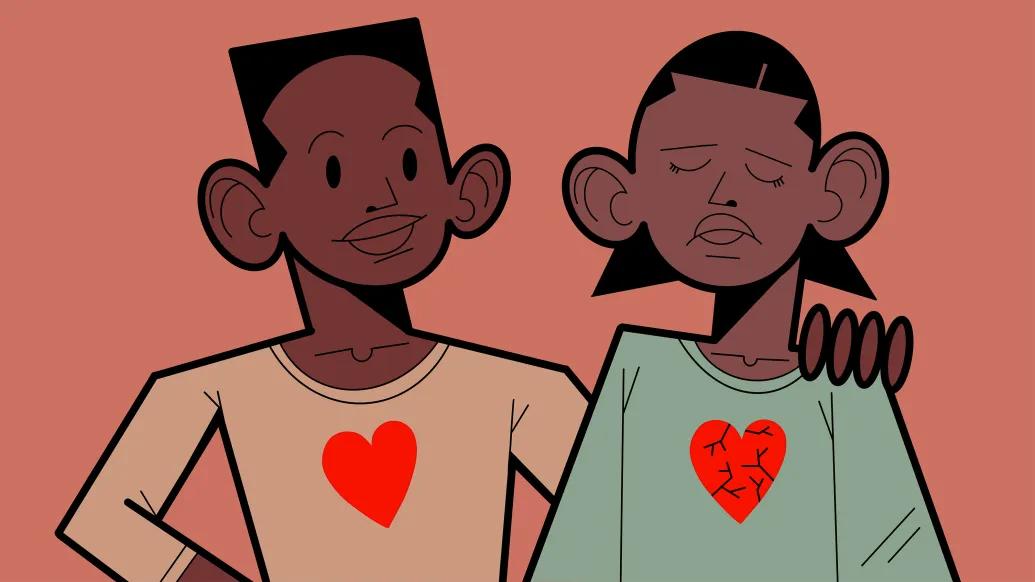
For many young people born with complex congenital heart disease, the journey can be both physically and emotionally challenging.
Traditionally, doctors have focused on physical factors like heart function, oxygen levels and surgical outcomes.
But researchers are now looking at a less visible element that may play a powerful role in these patients' cardiac experience: resilience.
A study from 20 pediatric heart centers across North America found that while many young patients show notable resilience, others could benefit from targeted support to build this skill to improve mental and physical health.
“Children and young adults living with complex heart conditions experience a number of stressors while also demonstrating tremendous resilience amidst these stressors,” said lead author Melissa Cousino, Ph.D., a pediatric psychologist and professor of pediatrics and cardiac surgery at University of Michigan Health C.S. Mott Children’s Hospital.
“We have growing evidence that resilience matters for both physical and mental health. It’s a measurable and modifiable factor that can influence cardiac health, recovery, wellbeing and long term outcomes.”
Cousino – who co-led the study with Kurt Schumacher, M.D., a pediatric cardiologist and professor of pediatrics at Mott – presented early findings at the American Heart Association Scientific Sessions in New Orleans.
Researchers followed 131 young people born with only one working heart ventricle and required complex surgery to manage blood flow, a condition known as Fontan-palliated congenital heart disease. Their median age was 16.
All of the patients were referred for heart failure or heart transplant evaluation, indicating some level of raised concern regarding their overall health status.
Patients completed validated questionnaires assessing resilience, quality of life and mental health, including anxiety and depression.
Study participants also completed measures of frailty, a multidimensional measure of strength, energy and physical function known to be an important risk factor across various disease states.
Researchers reviewed medical data to see how resilience related to factors like frailty, disease burden and heart function.
On average, patients reported moderately high resilience scores. However, younger participants and females tended to have lower resilience.
Importantly, lower resilience was linked to greater frailty, higher anxiety and greater perceived disease burden — reinforcing resilience as a potential protective factor against negative physical and mental health outcomes.
“Frailty is increasingly recognized as an important predictor of outcomes in congenital heart disease and heart failure,” Cousino said.
Our findings show that resilience-building should be part of comprehensive care for young heart patients."
-Melissa Cousino, Ph.D.
“Because resilience is a modifiable factor connected to frailty, it offers a real opportunity for intervention. Just like a muscle, resilience can be strengthened.”
That understanding inspired Cousino – who specializes in caring for the mental health of young heart patients – to design and launch the Well-Being Education Program, or WE BEAT at the U-M Congenital Heart Center Psychosocial and Educational Program at C.S. Mott Children’s Hospital.
The telemedicine-delivered, group-based program helps young people connect with peers and develop skills that foster emotional resilience.
Cousino will soon lead a 14-center trial of the WE BEAT intervention for resiliency building in congenital heart disease.
The research is primarily supported through roughly $2 million in funding from the National Heart, Lung, and Blood Institute via the Pediatric Heart Network.
In addition to patient-reported psychological health, the study will also collect biomarkers of cardiac functioning and stress, as well as important medical information, such as number of hospitalizations.
In other chronic illnesses, higher resilience has been tied to better physical health, lower inflammation, improved quality of life and healthier aging, Cousino notes.
The research suggests resilience plays a similar role in children and young adults with congenital heart disease.
“Our findings show that resilience-building should be part of comprehensive care for young heart patients,” Cousino said.
“We can nurture resilience through psychological support, social connection and coping-skills training. I am so excited to help bring this important aspect of cardiac care to more young people throughout the country.”
Paper cited: "Abstract 4370542: Strength Amidst Strain: Determinants of Resilience in Pediatric and Young Adult Fontan Circulatory Failure," Abstracts From the American Heart Association's 2025 Scientific Sessions and the American Heart Association's 2025 Resuscitation Science Symposium.
Sign up for Health Lab newsletters today. Get medical tips from top experts and learn about new scientific discoveries every week.
Sign up for the Health Lab Podcast. Add us wherever you listen to your favorite shows.

Health Lab
Explore thousands of health news & research stories by visiting the Health Lab homepage for more.
Media Contact

Public Relations
Department of Communication at Michigan Medicine
In This Story

Melissa K Cousino, PhD
Clinical Professor
Related

Adolescents with heart disease learn resilience skills, connect with peers through unique program
The dangerous intestinal disease fatal to premature babies and vulnerable infants
Stay Informed
Want top health & research news weekly? Sign up for Health Lab’s newsletters today!
Featured News & Stories

Continuing the legacy of a doctor’s doctor
4 ways to teach your teen safe driving habits

U-M-led consortium to receive up to $52 million in NIH funding to study why viral respiratory infections affect children differently

Gene editing is coming for common diseases. Are we ready?
4 in 5 parents say having a baby is too expensive