
Sports gambling on the rise among college students
Experts call for more awareness, action to prevent addiction or help those who develop problematic betting habits
3:15 PM
Author |
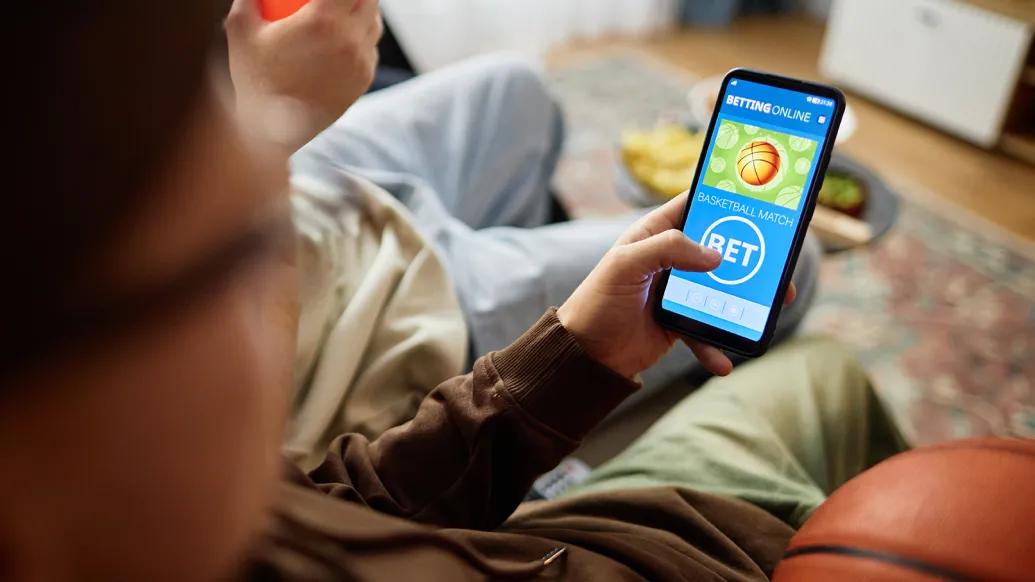
Sports gambling addiction is a rising risk on college campuses, as legalized online betting on real world and fantasy games capture the attention -- and the wallets -- of young adults, a University of Michigan expert warned members of Congress.
In testimony before a Congressional subcommittee hearing, U-M psychiatrist and student health leader Lindsey Mortenson, M.D., M.S., shared findings from research she and her colleagues recently published, as well as work done by others across the country.
Though much more hard data is needed on how legalized sports betting is affecting young adults in higher education, Mortenson said the initial findings are enough to show that higher education institutions, policymakers, the sports betting industry and parents of young adults should focus on the issue.
Mortenson testified before the U.S. House Subcommittee on Higher Education and Workforce Development, and drew on not only research but her own clinical experience and interactions with parents of college-aged people related to sports gambling.
Vulnerability of young adults
Betting on sports was allowed to be legalized by states after a Supreme Court ruling in 2018. Since then, most states and the District of Columbia have allowed at least some forms of sports gambling, including through websites and mobile apps.
Young adults, and especially those enrolled in higher education, may be especially vulnerable to developing gambling addiction due to a combination of brain development vulnerability, the role of sports on college campuses, and other factors, Mortenson testified.
Mortenson serves as the inaugural chief mental health officer for U-M and executive director of University Health & Counseling (UHC), which provides physical and mental health care for the U-M student community.
She’s a clinical assistant professor of psychiatry at the U-M Medical School and a member of the U-M Institute for Healthcare Policy and Innovation and the Eisenberg Family Depression Center. She’s also the parent of three teenagers and a former Division I college athlete.
“In all of these different roles, I have seen firsthand the harms caused by gambling,” she testified. “The U.S. is not doing enough to protect young Americans and their families from sports betting-related harms and addiction.”
Her full testimony is available here, and a summary of the hearing and remarks by other experts called to testify is available here.
Research on U-M students’ sports gambling
As many as 10% of undergraduate students on the U-M Ann Arbor campus have engaged in sports betting at some point in their lifetime, on occasions beyond the one time events such as the March Madness NCAA basketball tournament and the Super Bowl.
That’s according to a recent paper by Mortenson and UHC colleagues Elizabeth McEvoy, M.P.H., and Christopher Frank, M.D., Ph.D., an Associate Professor of Family Medicine at the Medical School and member of IHPI.
Their findings were published recently in the Journal of American College Health and are based on data from part of the Healthy Minds Study conducted at U-M in 2025.
Though the survey sample size is small – 1,489 students responded to questions about sports gambling out of an undergraduate population of more than 34,000 – the findings support the broader understanding that sports gambling is a rising issue on the U-M campus, as it is on other university campuses.
Of the students who answered the gambling portion of the broader mental health survey, all were asked if they placed bets on sporting events other than one time events. The results were adjusted for composition of the student population.
In all, 10% of the respondents said they had gambled on sports other than one time events at some point in their lifetime.
I have seen first-hand the harms caused by gambling. The U.S. is not doing enough to protect young Americans and their families from sports betting-related harms and addiction. "
-- Lindsey Mortenson, M.D., M.S.
Placing bets
Students who said they had gambled on sports other than one-off events were then asked how often they had done so, how much money they had bet or lost, whether they had placed bets during class or work, and whether their sports betting had impacted their ability to take care of their basic needs.
They were also asked questions from a common gambling screening questionnaire that the researchers adapted to include language about sports betting, since many young people do not think of sports betting as gambling.
Nearly 40% of the students who said they had bet on sports other than one time events, or about 4% of the total population of responding students, also screened positive for problematic gambling behaviors.
About the same percentage said they had placed bets while in class or at work. In all, 5% of the gamblers in the sample reported that betting negatively impacted their ability to meet their basic needs.
The National Problem Gambling Helpline is available via phone, text and chat for anyone concerned about gambling and sports betting in themselves or others. Visit www.ncpgambling.org/help-treatment or call or text 1-800-MY-RESET.
Paper cited: Problem sports betting/gambling in U.S. undergraduate students at a large public university, Journal of American College Health, DOI:10.1080/07448481.2026.2744233
Sign up for Health Lab newsletters today. Get medical tips from top experts and learn about new scientific discoveries every week.
Sign up for the Health Lab Podcast. Add us wherever you listen to your favorite shows.

Health Lab
Explore thousands of health news & research stories by visiting the Health Lab homepage for more.
Media Contact

Public Relations
Department of Communication at Michigan Medicine
In This Story
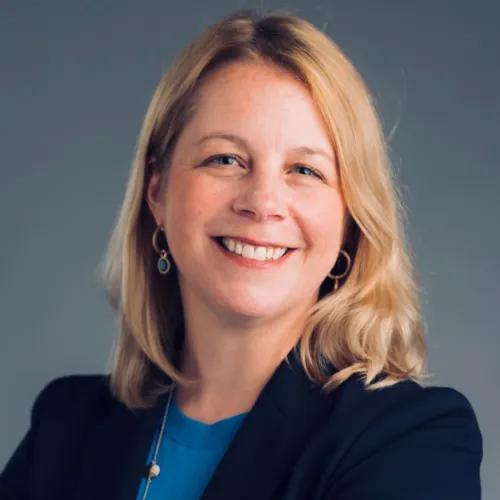
Lindsey Mortenson
Clinical Assistant Professor
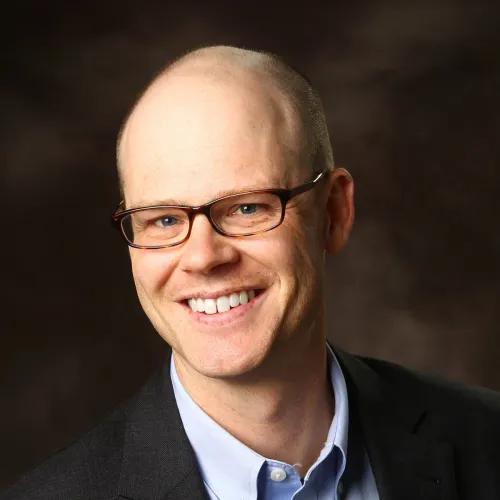
Christopher J Frank
Clinical Associate Professor
Related

Experts say increased access to online gambling may put teens at risk

Working together to improve college mental health
Stay Informed
Want top health & research news weekly? Sign up for Health Lab’s newsletters today!
Featured News & Stories

Major Changes to Medicaid
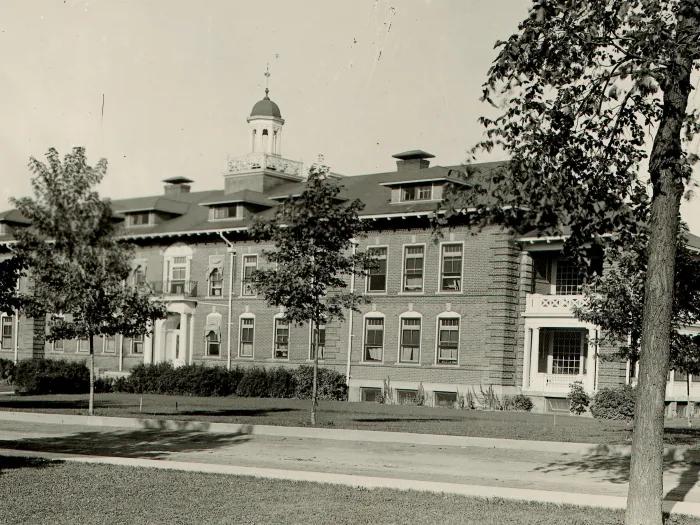
Exploring the mind’s mysteries: 130 years of mental health care & innovation at U-M

How U-M helped bring depression out of the darkness

Small daily activities may help ease dementia caregivers’ stress

5 ways to manage politically induced stress

