Social, financial barriers linked to reduced treatment for dangerous blood clots
Direct oral anticoagulants are recommended for most venous thromboembolism patients
5:00 AM
Author |

People who experience social and financial challenges are less likely to receive certain anticoagulant prescriptions for potentially deadly blood clots, according to a Michigan Medicine-led study.
In a national survey, physicians answered that they were less likely to prescribe DOACs, which stands for direct oral anticoagulants, to treat venous thromboembolism if the patient had issues affording the drug or had no health insurance.
Results were presented as an abstract at the 2026 International Society on Thrombosis and Haemostasis Congress in Paris.
Clinical guidelines recommend prescribing DOACs for most patients with venous thromboembolism, or VTE, a condition in which clots form in the veins and block blood flow.
Venous thromboembolism includes deep vein thrombosis, which involves clots in the legs, and pulmonary embolism, the result of a clot blocking the artery in the lungs.
“Direct oral anticoagulants have transformed the treatment of venous thromboembolism, offering many patients a safer and more convenient alternative to vitamin K antagonists,” said lead author Jordan K. Schaefer, M.D., M.Sc., Clinical Associate Professor of Internal Medicine-Hematology at University of Michigan Medical School.
“However, our findings suggest that social determinants of health continue to influence treatment decisions. The healthcare system must do more to address the social and financial factors that may limit patients’ access to the best treatment option for their circumstances."
Physicians in the survey noted that patients with housing insecurity were less likely to receive a DOAC. Whether a participant spoke English natively also affected medical management.
Past research from Michigan Medicine revealed that pulmonary embolism more often kills men, Black patients and people from rural areas.
“We plan to further investigate the barriers that are precluding health care providers from offering their patients optimal anticoagulation care and what resources are needed to best overcome these barriers,” said Suman Sood, M.D., MSCE, Clinical Associate Professor of Internal Medicine-Hematology at University of Michigan Medical School.
“We will then use this information to propose strategies to help providers improve their patient’s anticoagulation care. We also plan to explore the patient experience with navigating financial and social challenges to their venous thrombosis care.”
Additional authors: Zhenke Wu, Ph.D., Li Jiang, M.A., and Avery Polk, all of University of Michigan, Julie Ann Gouveia-Pisano, PharmD, Bonnie DeLor, PharmD, M.P.H., Rick Dettloff, PharmD, Feng Dai, Ph.D., Niharika Banuri, PharmD, M.B.A., Jannette Escobar, M.S.W., and Charles Medico, PharmD, all of Pfizer Inc.
Funding/disclosures: This study was funded by the Pfizer-BMS Alliance. Schaefer reports consulting for Pfizer. The remaining authors did not report any potential conflicts of interest.

Health Lab
Explore thousands of health news & research stories by visiting the Health Lab homepage for more.
Media Contact

Public Relations
Department of Communication at Michigan Medicine
In This Story
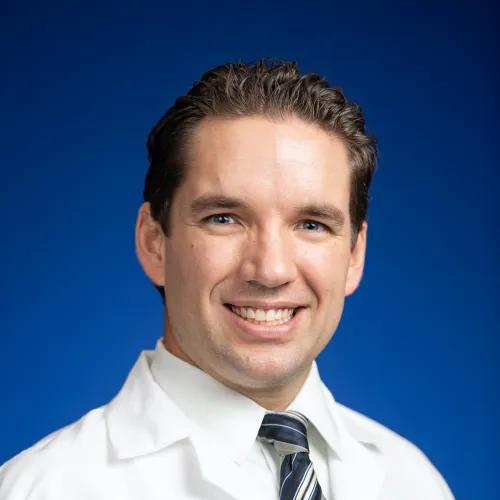
Jordan Schaefer, MD, MSc, FACP, FAHA
Clinical Associate Professor
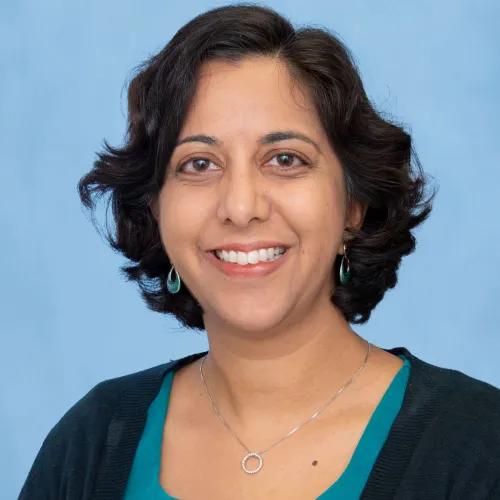
Suman Sood
Clinical Associate Professor
Related

Risk of clots, stroke from incorrect blood thinner dosing reduced using online dashboard

Stopping aspirin when on a blood thinner lowers risk of bleeding, study finds
Stay Informed
Want top health & research news weekly? Sign up for Health Lab’s newsletters today!
Featured News & Stories

Digital alerts support timely treatment decisions of critically ill cardiac patients

Is the United States Lagging Behind Europe in Memory Improvement?

FDA-approved drug offers hope for patients with polycythemia vera, a rare bone marrow disorder

Reducing infections after heart surgery could save Medicare $441 million per year

Young father survives aortic dissection after delayed diagnosis