Small rewards lead to big wins for saving veterans' lives
A 41% drop in death risk seen in veterans with incentives to stick with recovery from stimulants like methamphetamine and cocaine
5:00 AM
Author |

The chance to win a few dollars every time they pass a drug test, and the possibility of bigger prizes the longer they stay off drugs like methamphetamine and cocaine, may be enough to keep veterans from dying as they navigate early recovery, a study suggests.
In all, veterans had a 41% lower risk of dying when they received a type of care called contingency management through the Veterans Administration as part of their recovery from stimulant use disorder, compared with a closely matched group of veterans who didn’t get CM care.
Contingency management uses cash or gift certificate prizes as incentives for keeping up with substance use disorder care and days without substance use.
Past research has shown it to work across substance use disorders to promote recovery -- including for substances where there’s no medication that’s FDA-approved to aid in recovery, including stimulants.
The study suggests CM saves lives – and not just stimulant-related or drug-related deaths, but all causes of death.
It’s published in the American Journal of Psychiatry by a team from the University of Michigan and the VA Ann Arbor Healthcare System.
“This is the strongest real-world evidence to date that contingency management care for people with stimulant use disorder is linked to a significant drop in deaths. It shows the importance of the VA’s leadership in making CM available to veterans,” said Lara Coughlin, Ph.D., the addiction psychologist and health care researcher who led the study.
“We have made great progress in improving care for people with opioid use disorder, but it’s critical to also treat stimulant use disorder, with half of all overdose deaths in America now involving stimulants,” she added. “We hope these findings will help increase use of CM in the VA as well as in other settings.”
Right now, she notes, only five states have received permission to use CM in through their Medicaid programs. Michigan has a demonstration program under way that could pave the way to increase access to CM for people with substance use disorders. Private insurance coverage for CM nationwide is inconsistent.
“The VA was a decade ahead of the rest of the nation in making CM available, and that has given us the ability to study the impacts,” said Coughlin, who co-directs the Michigan Innovations in Addiction Care through Research & Education, or MI-ACRE, program with addiction psychiatrist Allison Lewei Lin, M.D., M.S., senior author of the new paper. Both Coughlin and Lin are faculty in the U-M Department of Psychiatry and members of the U-M Addiction Center, and Lin is an addiction care provider at VAAAHS.
More about the study and its findings
The researchers used data drawn from the VA’s digital health records and started with a pool of 138,280 patients diagnosed with stimulant use disorder between July 2018 and December 2020. They zeroed in on 1,481 who had received CM as part of their care, then identified 1,481 who matched those patients in multiple ways, to make a comparison group.
This is the strongest real-world evidence to date that contingency management care for people with stimulant use disorder is linked to a significant drop in deaths."
-Lara Coughlin, Ph.D.
Their average age was 52, and 95% were male, and just over half of both groups were unhoused. Most (73%) of the veterans in both groups had gone to a VA clinic to receive care for stimulant use disorder in the last year.
Just over half also had an alcohol use disorder, 26% also had opioid use disorder, and nearly 75% had one or more major physical or mental health conditions beyond their substance use conditions.
In the year after the study period began, 27 veterans in the CM group died, compared with 46 in the comparison group.
After statistical analysis, the researchers found the 41% reduction in risk of death in the first year for those enrolled in CM. In addition, they observed a 33% reduction in risk of death by overdose, and 42% reduction in deaths that involved stimulants.
“The magnitude of these reductions are similar to what we see when people with opioid use disorder receive buprenorphine, a first line medication-based treatment for opioid use disorder, to aid their recovery,” said Coughlin.
But the study also highlights the complexity of this patient population, she says.
As a group, veterans with stimulant use disorder were twice as likely as veterans in general to die within a one-year period.
Among those with stimulant use disorder, those receiving CM were more likely to be hospitalized in the study period and were more likely to have a psychiatric hospitalization than those who didn’t receive CM. But nearly 40% of those in the non-CM group were also hospitalized.
The increase in psychiatric hospitalization in the CM group may have had a protective effect, Coughlin notes, because it may have helped veterans get intensive care for mental health conditions that might affect their ability to engage with recovery, and ultimately to stay alive.
Coughlin and colleagues note that outside the VA setting, CM has faced barriers to getting implemented, including limits on total value of incentives that a person can earn in a year, and general concern about ‘rewarding’ people with substance use conditions.
But, she said, as more CM programs begin and evidence about its real-world impact mounts, the understanding of CM as an aid to recovery is growing.
She and colleagues have also begun leading a digital form of CM, using smartphones and virtual gift card vouchers as prizes, for Michiganders with substance use disorders and for Medicaid participants in Michigan who are pregnant and use tobacco.
Additional authors: In addition to Coughlin and Lin, the study’s authors are Devin C. Tomlinson, Ph.D., Lan Zhang, Ph.D., H. Myra Kim, Sc.D., Madeline C. Frost, Ph.D., M.P.H., Gabriela Khazanov, Ph.D., James R. McKay, Ph.D., and Dominick DePhilippis, Ph.D.
Coughlin, Lin and Kim are members of the U-M Institute for Healthcare Policy and Innovation. Coughlin is Mental Health Equity Lead for the Eisenberg Family Depression Center, and Lin and Kim are also members of the VA Center for Clinical Management Research.
Funding/disclosures: The study was funded in part by the VA Office of Mental Health and Suicide Prevention.
Paper cited: “Contingency Management for Stimulant Use Disorder and Association With Mortality: A Cohort Study,” American Journal of Psychiatry. DOI: 10.1176/appi.ajp.20250053
Sign up for Health Lab newsletters today. Get medical tips from top experts and learn about new scientific discoveries every week.
Sign up for the Health Lab Podcast. Add us wherever you listen to your favorite shows.

Health Lab
Explore thousands of health news & research stories by visiting the Health Lab homepage for more.
Media Contact

Public Relations
Department of Communication at Michigan Medicine
In This Story
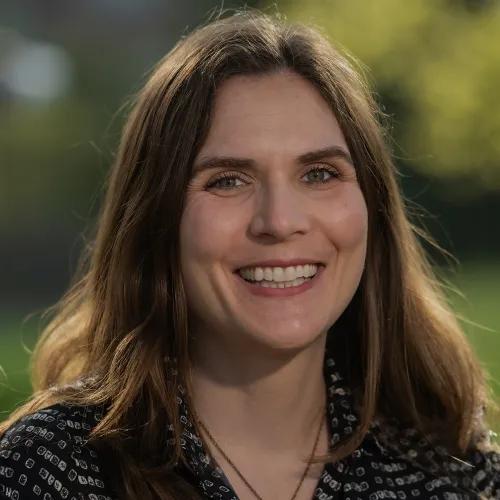
Lara N Coughlin, PhD
Associate Professor
Related

Virtual program to promote smoking cessation among Medicaid enrolled expectant mothers

Overdose deaths involving cocaine or meth tripled in shadow of opioid crisis
Stay Informed
Want top health & research news weekly? Sign up for Health Lab’s newsletters today!
Featured News & Stories

The AI is listening: Implications of machine generated clinical notes on health care

Comprehensive DNA sequencing reveals hidden drivers of cancer

Many older adults make Medicare decisions quickly and most don’t change plans, poll finds

‘Molecular glue’ stabilizes protein that inhibits development of non-small cell lung cancer and uterine cancer
What’s the latest on 7-OH and kratom availability and addiction care?