Should you try Apple’s hearing aid app? An audiologist weighs in
AirPods will soon boast a series of hearing health tools
5:00 AM
Author |
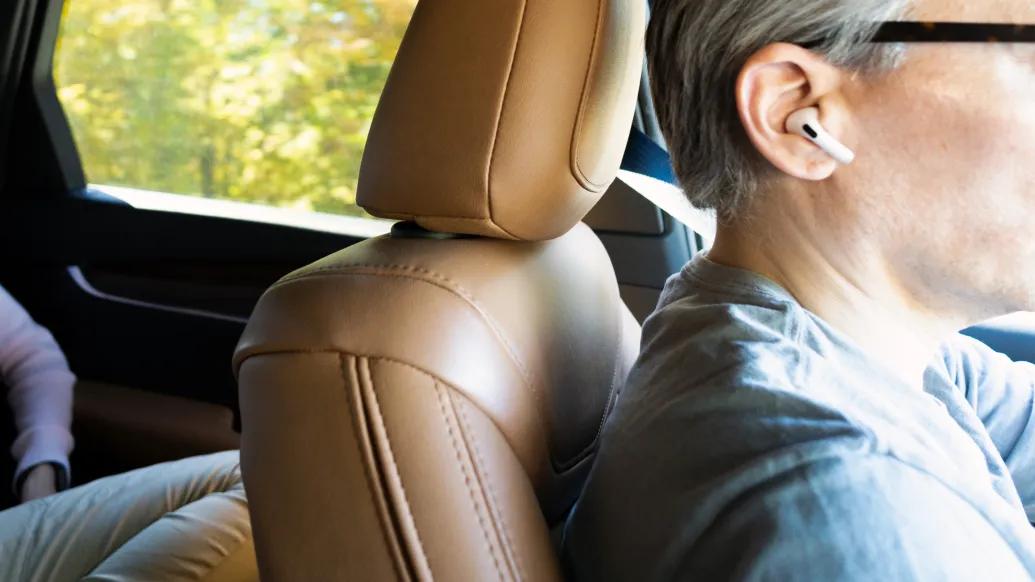
Apple has marketed its AirPods Pro 2 as soon having “clinical-grade Hearing Aid capability.”
The headphones are available for purchase now, but the advertised improved health features—including a hearing test and the hearing aid ability—are soon to be rolled out.
To explain what Apple is offering, Devin McCaslin, Ph.D., director of U-M’s audiology program, answers some questions about the hearing aids market and the AirPods Pro 2 specifically.
Were any regulatory changes necessary before Apple’s foray into the hearing aid market?
McCaslin: In 2022 the FDA approved hearing aids to be sold over the counter.
Before 2022, an individual had to go get a hearing test and then see an audiologist for a prescription.
Over-the-counter options are currently approved only for mild-to-moderate hearing loss.
Now you don't need a medical referral.
One of the big issues with over-the-counter hearing aids now is undiagnosed medical issues that can cause mild-to-moderate hearing loss: impacted wax, ear disease, etc.
What has been the overall effect of over-the-counter hearing aids?
McCaslin: First and foremost, over-the-counter hearing aids bring accessibility and visibility to people with hearing loss.
Untreated hearing loss has been a huge issue. It can be difficult to spend $6,000 on a pair of hearing aids and insurance, in many instances, doesn't cover them, which is mind-boggling.
What's great is people with mild-to-moderate hearing loss can now get into a set of hearing aids for approximately $300 instead.
Will the AirPods Pro 2 have the potential to help with untreated hearing loss?
McCaslin: Absolutely. Untreated hearing loss is one of the most significant health issues in our country.
One barrier to treatment—besides cost—is the stigma.
Apparently, many people feel hearing aids may make them seem old. But kids wear AirPods. My daughter and son wear them everywhere.
Therefore, the stigma isn't really an issue, and the cost is quite reasonable, especially if you're already purchasing them as headphones.
Other hearing aid manufacturers have been working to connect their devices to different smartphone platforms, but Apple's platform stands out for its seamless integration between its products.
Are there any risks associated with a hearing aid that allows you to listen to music through your headphones? Could an overall increase in AirPods offset their benefits?
McCaslin: One of the great things about Apple’s technology is that it comes with built-in noise-level monitoring.
For instance, if I’m at Michigan Stadium and the noise gets too loud, my Apple Watch will actually alert me, saying, "It’s dangerously loud."
They’ve really thought this through and created a whole platform focused on hearing health and safety.
So, they’ve addressed the safety aspect first to make sure users aren’t exposed to sound that could damage their ears.
I honestly think it’s a better system compared to most over-the-counter options.
It doesn’t just monitor noise exposure; it also tracks how long you’re wearing the devices and your overall usage patterns.
That kind of real-time feedback is invaluable.
So, in my view, it’s a safer and more responsible way to enjoy music while still protecting your hearing.
Do you see anything holding back AirPods from becoming hearing aids?
McCaslin: While designed to fit a broad range of ear shapes, they lack the custom-molded fit of traditional hearing aids or high quality musician’s earplugs, which provide better comfort and acoustic seal.
After prolonged use, people might think, They fit…but they don't really fit.
I think more likely is people use them for stretches: Hey, I'm in a noisy restaurant and want to hear a little better.
AirPods may be suitable for intermittent use, but they still fall short in customization and precision compared to dedicated hearing aids, which can be programmed for specific hearing profiles and adapted to different listening environments.
Could Apple’s hearing test software replace an in-person hearing test? Should people try it?
McCaslin: It could be a helpful first step for someone who suspects they might have hearing loss and needs a little push to seek professional care.
That said, in-person tests with an audiologist offer much more.
We have the ability to control the testing environment, use advanced diagnostic tools and assess more than just hearing sensitivity, like speech understanding and middle-ear function.
Plus, we can tailor recommendations based on a person’s unique hearing profile and overall health.
So, while these tools can be a good starting point, they’re no substitute for a comprehensive evaluation by a professional
Should people consider AirPods as hearing aids?
McCaslin: I think if someone fits the hearing profile and they have an iPhone: Why not?
I think AirPods can serve as a great introduction to the world of hearing assistance.
They help people become more aware of their hearing loss and what they’re missing, which is an important first step.
While AirPods might not provide the level of performance that some individuals need—especially those with more severe hearing loss—they do make the idea of using hearing aids more accessible and less intimidating.
For some, starting with AirPods might lead them to realize they need a higher-end solution that’s more tailored to their hearing needs.
My take home message is: Start with a professional hearing test and see a physician to rule out any underlying medical issues that could be affecting your hearing.
It’s important to make sure there’s nothing medically going on before considering AirPods for hearing assistance.
If your hearing is medically clear and the audiogram shows you have mild-to-moderate hearing loss, then AirPods can be a great option.
They could be a convenient and accessible solution for your hearing needs.
Disclosures: McCaslin owns Apple stock through mutual funds.
Sign up for Health Lab newsletters today. Get medical tips from top experts and learn about new scientific discoveries every week.
Sign up for the Health Lab Podcast. Add us wherever you listen to your favorite shows.

Health Lab
Explore a variety of health care news & stories by visiting the Health Lab home page for more articles.
Media Contact

Public Relations
Department of Communication at Michigan Medicine
In This Story

Devin L McCaslin, PhD
Clinical Professor
Stay Informed
Want top health & research news weekly? Sign up for Health Lab’s newsletters today!
Featured News & Stories
Research may help better predict outcomes in kids with congenital cytomegalovirus
The Power of Mattering
AI chatbots spark mental health concerns, including psychosis risk
New prostate biopsy technique shows potential future of MRI
An online intervention can help cancer patients share genetic testing results with family