Should Cancer Patients Take Antioxidant Supplements?
While the jury is still out on antioxidant supplements in general, for people with cancer, they cause more harm than good.
7:00 AM
Author |
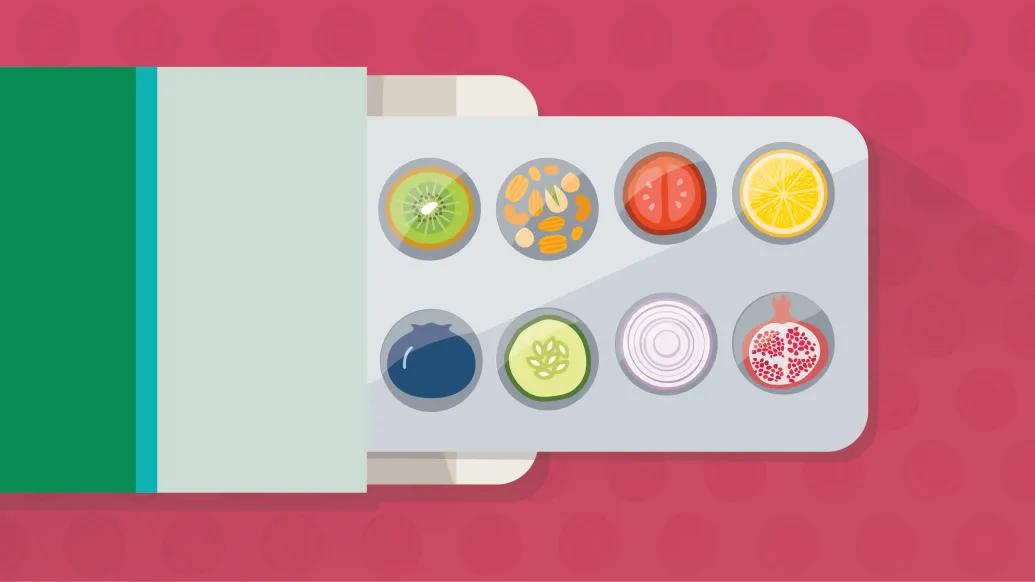
Antioxidants give foods like blueberries, dark chocolate and pecans their status as superfoods. These powerful chemicals can help reverse damage that occurs in the body's cells, potentially lowering the risk of some diseases and slowing the effects of aging.
SEE ALSO: Connecting Dietary Sugar and Cancer: Does One Feed the Other?
But while we should include these foods in our diets, what about antioxidant supplements?
"In general, there's no data to say either way whether antioxidant supplements are helpful. But if you have cancer, antioxidant supplements are not a good idea, and studies do show that," says Costas Lyssiotis, Ph.D., a researcher at the University of Michigan Rogel Cancer Center who studies how cancer cells use the body's metabolism.
As cancer cells begin to take hold in the body, antioxidants actually fan the fire. Part of the normal process of our bodies aging involves oxidative stress, a process that causes cell damage, which can lead to disease or make us look old. Antioxidants counter that by fighting off the oxidative damage.
But cancer cells turn on antioxidants as a tricky way of trying to survive. So antioxidant supplements provide support not only for the body, but also for the cancer.
"Antioxidants can help prevent cancer in healthy people, but antioxidants in supraphysiological doses, like those in supplements, have the opposite effect in people who already have cancer," Lyssiotis says.
The best source of antioxidants is food. Several types of berries, nuts and beans rank highest in antioxidants. And Lyssiotis does not advise that anyone — with or without cancer — forgo blueberries or other healthy foods.
But he says if you have cancer, avoid antioxidant supplements. Even if not, with no clear evidence that these supplements help in healthy people, Lyssiotis suggests everyone opt for fruits and vegetables instead.

Health Lab
Explore thousands of health news & research stories by visiting the Health Lab homepage for more.
Media Contact

Public Relations
Department of Communication at Michigan Medicine
Stay Informed
Want top health & research news weekly? Sign up for Health Lab’s newsletters today!
Featured News & Stories
As probiotic use surges, microbiome-supportive food consumption stagnates
Prostate cancer and hereditary risk: A doctor explains the connection

How gastroenterology nutrition therapy has evolved

Many parents face challenges getting kids to eat a healthy breakfast before school

7 things every family caregiver should know – but many don’t