Rx Kids associated with significant reductions in infant maltreatment investigations
A study based on data from community-wide prenatal and infant cash prescription program in Flint, Michigan
3:05 PM
This article was written by Laura Cane. Cane is the marketing and communications manager for Rx Kids, at the Michigan State University College of Human Medicine.
A new peer-reviewed study published in JAMA Pediatrics provides rigorous, population-level evidence that Michigan State University’s Rx Kids program, the nation’s first community-wide prenatal and infant cash prescription program, is associated with substantial reductions in child maltreatment investigations among infants.
Following the launch of Rx Kids in January 2024, maltreatment investigations among Flint infants in their first six months of life declined from 21.7% to 15.5%.
During this same time period, there was an increase in allegations in 21 similar comparison cities.
Rx Kids led to a 7-percentage-point decline or a 32% relative reduction in maltreatment investigations in Flint.
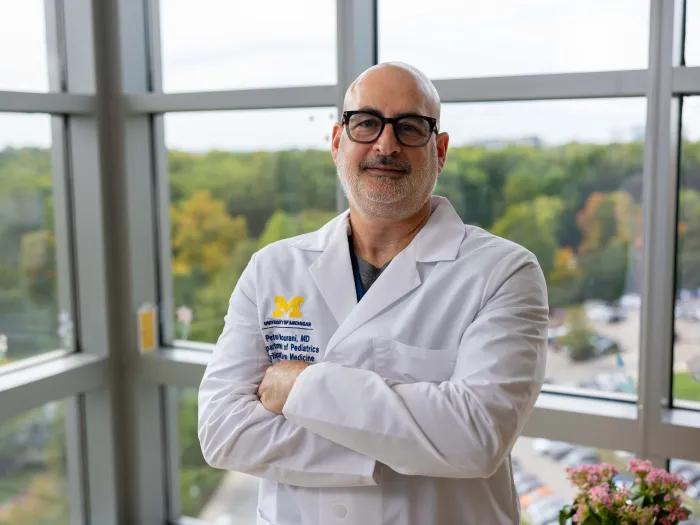
“Our research compared what happened in Flint before and after Rx Kids launched to what we saw in a control group and the results are clear,” said lead author Sumit Agarwal, M.D., M.P.H., Ph.D., a physician and health economist who is an Assistant Professor at the University of Michigan Medical and School of Public Health.
These results show that providing early economic support to families can make a real difference and should challenge us to rethink how we can proactively support families."
-Sumit Agarwal, M.D., M.P.H., Ph.D.
“During the first year of Rx Kids, infants in Flint experienced fewer investigations for maltreatment. These results show that providing early economic support to families can make a real difference and should challenge us to rethink how we can proactively support families.”
Agarwal is a Poverty Solutions affiliate and member of the U-M Institute for Healthcare Policy and Innovation.
With research collaborators from three institutions, the study’s authors observed consistent declines across multiple categories of child welfare involvement, including neglect-related and non-neglect-related investigations, as well as substantiated cases.
In total, researchers estimate that the program prevented approximately 57 infants from experiencing a child welfare investigation in its first year alone, demonstrating how economic support during pregnancy and early infancy can improve child well being.
Several pathways may explain these outcomes.
Prior research on Rx Kids has documented reductions in food and housing hardship and significant reductions in postpartum evictions.
These changes are closely linked to reductions in parental stress and improvements in maternal mental health, which are key factors known to influence child safety and well being.
Additionally, the program has been associated with improved birth outcomes, including reductions in low birthweight and prematurity, both of which are risk factors for later maltreatment.
“These findings, now published in JAMA Pediatrics, underscore the powerful role that economic stability plays in protecting children,” said Mona Hanna, M.D., M.P.H., Rx Kids Director and Associate Dean of Public Health at Michigan State University.
“By trusting families and investing in them during the earliest, most vulnerable period of life, we are not only improving health outcomes; we are preventing trauma before it starts. This is what community-driven public health looks like.”
Many families face significant economic hardship during pregnancy and infancy, as mothers step out of the workforce and expenses rise due to medical costs and basic baby supplies.
Reducing this financial strain can play a critical role in preventing harm before it occurs.
“As a child welfare researcher, decades of evidence show that poverty is one of the strongest drivers of child maltreatment risk,” said Will Schnieder, Ph.D., Associate Professor of Social Work and Faculty Director of the Children and Family Research Center at the University of Illinois.
“What the Rx Kids findings make clear is the flip side of that truth: when families are buffered during the economic shock of pregnancy and early infancy, fewer children are harmed. This is what real prevention looks like.”
A maternal and infant health program, Rx Kids provides a one‑time $1,500 cash prescription during mid‑pregnancy and $500 per month during infancy.
This support helps cover essentials like diapers, formula, rent, and transportation to prenatal care.
The program has demonstrated improvements in family financial stability, healthier moms and babies, and meaningful economic benefits, with millions of dollars flowing directly into local businesses and communities.
Rx Kids is led by Michigan State University and administered by GiveDirectly, with support from the State of Michigan and growing family of funders, through a public-private partnership.
Citation: "Cash Transfers in the Perinatal Period and Investigations of Infant Maltreatment," JAMA Pediatrics. DOI: 10.1001/jamapediatrics.2026.1602
About Rx Kids
Rx Kids is the nation’s first-ever, community-wide maternal and infant cash prescription program, founded and directed by Dr. Mona Hanna, pediatrician and Associate Dean of Public Health at Michigan State University College of Human Medicine. Administered by GiveDirectly, the global leader in safe and secure cash transfers, Rx Kids has efficiently delivered direct support to thousands of families across dozens of communities—strengthening family financial security, improving maternal and infant health, and boosting local economies.
Rx Kids is built on a strong network of partners who bring together academic leadership, community expertise, and public–private investment to make this vision possible. Co-founded by Michigan State University and Poverty Solutions at the University of Michigan, Rx Kids is implemented in partnership with local Community Champions and stakeholders who drive outreach, engagement, and celebration. Sustained through a robust public–private partnership that blends state investment with philanthropic and other support, Rx Kids reimagines what’s possible with a prescription for health, hope, and opportunity.

Health Lab
Explore thousands of health news & research stories by visiting the Health Lab homepage for more.
Media Contact

Public Relations
Department of Communication at Michigan Medicine
In This Story
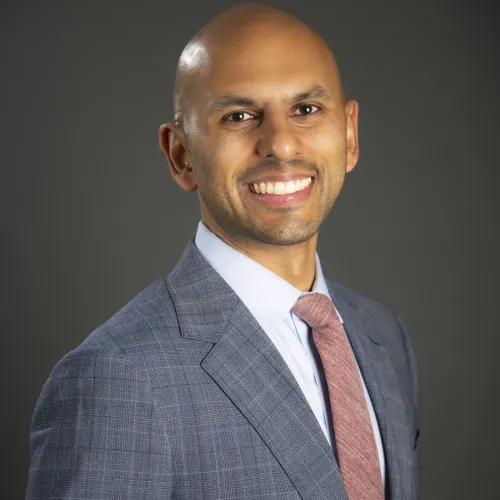
Sumit Agarwal, MD, MPH, PhD
Assistant Professor
Stay Informed
Want top health & research news weekly? Sign up for Health Lab’s newsletters today!
Featured News & Stories
Top 7 tips for choosing Medicare prescription drug coverage for 2027
U-M-led consortium to receive up to $52 million in NIH funding to study why viral respiratory infections affect children differently
Comprehensive DNA sequencing reveals hidden drivers of cancer
‘Molecular glue’ stabilizes protein that inhibits development of non-small cell lung cancer and uterine cancer

Many older adults make Medicare decisions quickly and most don’t change plans, poll finds