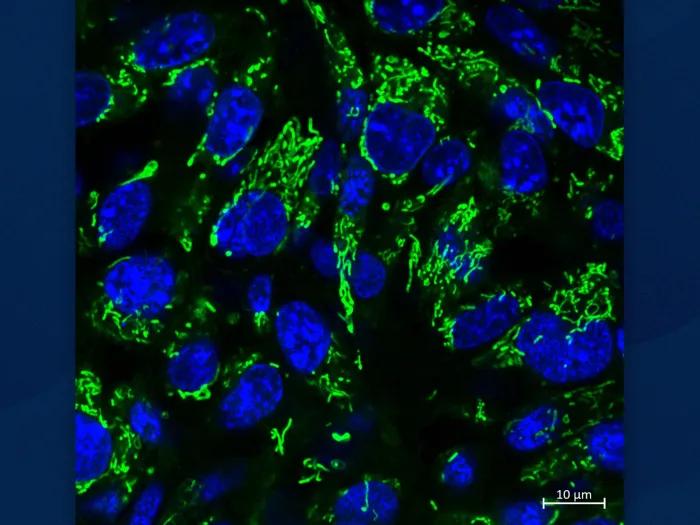
Researchers identify roles of key genes in colon cancer development
Loss of SOX9 gene results in greater tumor invasion and poor outcomes in mice
5:00 AM
Author |
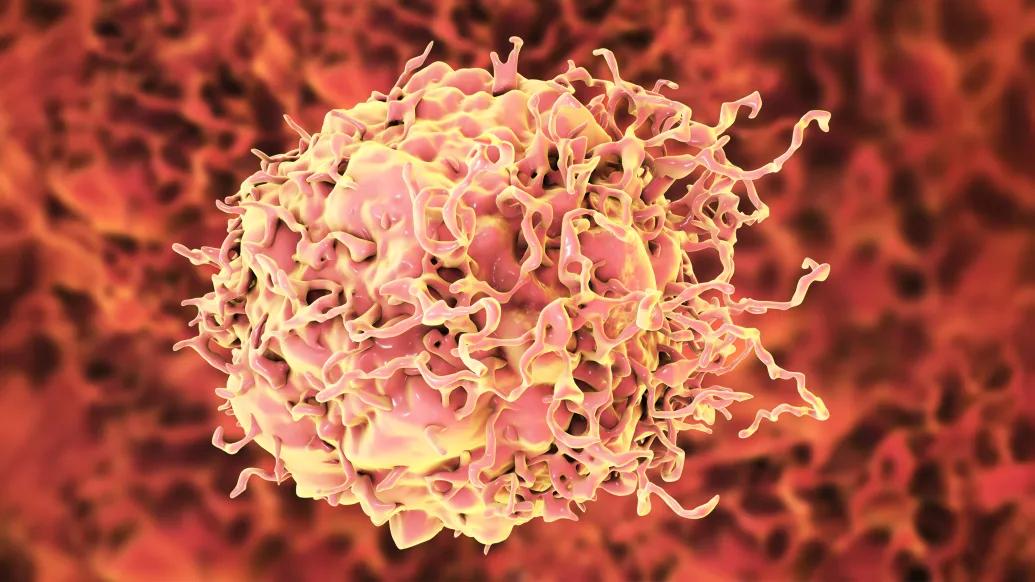
Colorectal cancer is the second leading cause of cancer-related death globally.
Although some of the molecular changes associated with colorectal cancer are known, how they contribute to cancer development is not yet well defined.
In a study published in Journal of Clinical Investigation, researchers used mouse models and studies of colorectal cancer tissues to show that loss of SOX9 gene promotes tumor progression and the pathway it regulates can be a potential target for future treatments.
“Previous studies by our lab and others have looked at the role of SOX9 in colorectal tumors,” said Eric Fearon, professor of internal medicine at the University of Michigan and the Director of Rogel Cancer Center.
“While some have shown SOX9 can contribute to colorectal cancer, others reported that reduced or absent SOX9 expression might be a contributing factor in tumor development.”
To better understand the role of SOX9, the team turned to mouse models.
They inactivated the genes for SOX9 and APC in colon tissues.
APC is a tumor suppressor gene and is inactivated in 80% of colorectal cancers.
The team found that combined inactivation of SOX9 and APC resulted in more invasive tumors than APC inactivation alone.
Additionally, SOX9 inactivation had no tumor promoting effects on its own.
“Although our results don’t indicate that SOX9 is a tumor suppressor gene in every patient’s colorectal cancer, our work establishes that inactivation of SOX9 contributes to tumor progression,” Fearon said.
The team also discovered that the invasive phenotype seen in colorectal cancers with low or absent SOX9 is enabled by a process called epithelial-mesenchymal transition.
During this change, cells that are normally stationary on the surface of the colon gain the ability to migrate and move into surrounding tissues.
“These cells exhibit certain characteristics that help them metastasize to other sites, including the liver, lungs and lymph nodes,” Fearon said.
Their findings from the mouse models were also consistent with clinical data from nearly 400 patients who are a part of a database called the TCGA Colon and Rectal Cancer cohort.
The team found that 20% of cancers had low or absent SOX9 levels.
Overall survival was lower among patients with lower levels of SOX9, supporting the gene’s role as a tumor suppressor.
The researchers are now working to understand the interplay between APC and SOX9.
“Our results highlight that there is more work to be done,” Fearon said.
“Understanding why targeting both genes has such a markedly different effect compared to either gene alone can help us better understand why the subset of colon cancers lacking SOX9 has such poor prognosis.”
Additional authors: Ying Feng, Ningxin Zhu, Karan Bedi, Jinju Li, Chamila Perera, Maranne Green, Naziheh Assarzadegan, Yali Zhai, Qingzhi Liu, Veerabhadran Baladandayuthapani, Jason R Spence and Kathleen R. Cho.
Funding/disclosures: The study was funded by the National Cancer Institute of the National Institutes of Health under award number P30 CA046592.
Michigan Research Core(s): Bioinformatics Core and the Advanced Genomics Core of the University of Michigan Medical School’s Biomedical Research Core Facilities.
Paper cited: “SOX9 suppresses colon cancer via inhibiting epithelial-mesenchymal transition and SOX2 induction,” Journal of Clinical Investigation. DOI: 10.1172/JCI184115
Sign up for Health Lab newsletters today. Get medical tips from top experts and learn about new scientific discoveries every week.
Sign up for the Health Lab Podcast. Add us wherever you listen to your favorite shows.

Health Lab
Explore thousands of health news & research stories by visiting the Health Lab homepage for more.
Media Contact

Public Relations
Department of Communication at Michigan Medicine
In This Story

Eric R Fearon
Professor
Related
Identical Mice, Different Gut Bacteria, Different Levels of Cancer

5 Warning Signs of Colorectal Cancer
Stay Informed
Want top health & research news weekly? Sign up for Health Lab’s newsletters today!
Featured News & Stories

Rural-urban disparities in head and neck cancer

Study outlines a new framework for direct cell reprogramming

New insight into how lipodystrophy can affect overall health
FDA-approved drug offers hope for patients with polycythemia vera, a rare bone marrow disorder

Pediatric patient treated for rare kidney cancer