Recycled pacemakers function as well as new devices, international study suggests
The research aims to reduce the gap in access to lifesaving pacemaker therapy across the globe
5:45 PM
Author |
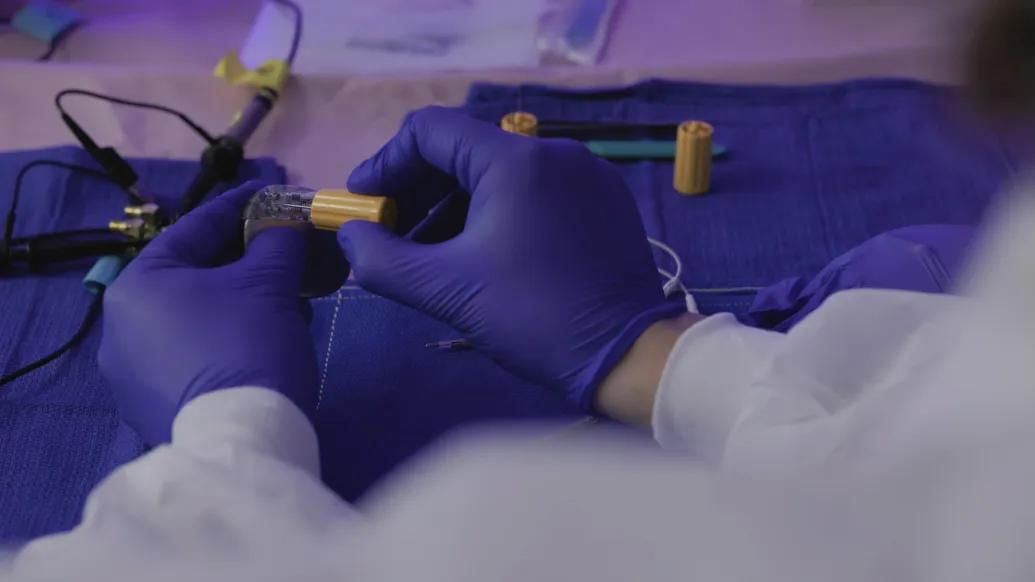
Recycled pacemakers can function as well as new devices, a University of Michigan-led study suggests.
These used and reconditioned devices have the potential to increase access to pacemaker therapy in low- and middle-income countries, where many patients cannot afford the treatment.
Researchers from the U-M Health Frankel Cardiovascular Center reported the findings as a late-breaking abstract at the 2024 American Heart Association Scientific Sessions.
The international clinical trial involved nearly 300 people across seven countries in Africa, North and South America.
It compared the function and safety of reconditioned pacemakers to new devices, with patients randomly assigned one or the other.
Investigators found no significant differences in pacemaker function up to 90 days after the procedure.
Just five patients developed localized pocket infections at the site where the pacemaker was implanted, three of whom had initially received new devices.
Three deaths occurred in the group with reconditioned pacemakers, but none were related to the implantation procedure, device infection or malfunction.
“These positive early results bring us closer to the reality of a large-scale pacemaker donation and reconditioning that could save lives across the globe,” said principal investigator Thomas C. Crawford, M.D., a cardiac electrophysiologist at the Frankel Cardiovascular Center.
“Unlike in the United States, pacemaker therapy is often not available or affordable for people in low- and middle-income countries. Our program is determined to change that.”
It has been estimated that hundreds of thousands of individuals from around the world die from lack of a pacemaker, typically in countries with limited resources.
While implanting a recycled pacemaker is not legal in the U.S., the Food and Drug Administration does allow refurbished devices to be exported.
The “My Heart Your Heart” program began sending reconditioned pacemakers abroad in 2010 for cases of compassionate use, in which there is no alternative to treat a life threatening cardiac condition.
The refurbished devices either come from deceased individuals or those who need a pacemaker upgrade to a device with more advanced functions.
It is imperative that we move forward with this research and determine the optimal way to reduce the gap in access to lifesaving pacemaker therapy."Thomas C. Crawford
The U-M team sorts and interrogates recycled pacemakers, only reconditioning those that have more than four years of battery life.
The devices are reprocessed in a joint laboratory with World Medical Relief in Southfield, Mich., and Northeast Scientific, Inc., re-sterilizes them free of charge in Connecticut.
Many of the pacemakers come from Implant Recycling, LLC, a Michigan environmental and recycling company that services the crematory and cemetery industries.
SEE ALSO: Can recycled pacemakers from the U.S. save lives overseas?
The program has received donations from funeral homes in all 50 states.
This idea is more than a decade in the making, with each step carefully studied, said co-author Kim A. Eagle, M.D., founder of the program and a director of the Frankel Cardiovascular Center.
“We started with the beliefs and attitudes of patients, families, physicians and funeral home directors. The process of proper extraction, analysis of function, sterilization, packaging and ultimate implantation and follow-up has been rigorously sought. We have created a published roadmap, if you will, of how other centers and partners in the world can join is this most worthy cause.”
The Michigan-led team plans to continue follow-up with participants to determine the long-term safety and efficacy of recycled pacemakers.
The longevity of new pacemakers varies depending on how much the patient is using it but usually exceeds 10 years.
“It is imperative that we move forward with this research and determine the optimal way to reduce the gap in access to lifesaving pacemaker therapy,” Crawford said.
“The three-month outcomes are encouraging, but the six- and 12-month outcomes will be vital in understanding whether, with the exception of battery life, the reprocessed pacemakers can function like new ones.”
The research has been supported by the Frankel Cardiovascular Center, grateful patients and donors and a number of foundations. Inquire about pacemaker donations.
Additional authors: Eric Puroll, Eva Kline-Rogers, N.P., Patricia Bruenger, Chih-Wen Pai, Ph.D., MSPH, Constantina Alexandris-Souphis, R.N., B.S.N., AJ Hale, M.B.A., Ed Goldman, J.D., Hakan Oral, M.D., all of University of Michigan. Outside authors: Azorena Aponte, Vicente Finizola, M.D., Maria Milagro Arends, M.D., Eusevio Arends, M.D., Hector Monasterios, M.D., Emmanuel Edafe, M.D., Adrian Ebner, M.D., Ceci Martinez, M.D., Oluwaseye Oladimeji, M.D., Mahmoud Sani, M.D., Constantine Akwanalo, M.D., Jorge Bahena, M.D., Edgar Carrizales, M.D., Albertino Damasceno, M.D., James Russell, M.D., Joel Dunning, M.D., George Samson, Ph.D., Noah Klugman, Ph.D., Lane Powel, J.D., Sheldon Davis, M.S., Marion Davis, Craig Allmendinger and Brad Wasserman.
Funding/disclosures: Funding was provided by donations; both hospital and physician resources were provided without renumeration.
Sign up for Health Lab newsletters today. Get medical tips from top experts and learn about new scientific discoveries every week.
Sign up for the Health Lab Podcast. Add us wherever you listen to your favorite shows.

Health Lab
Explore thousands of health news & research stories by visiting the Health Lab homepage for more.
Media Contact

Public Relations
Department of Communication at Michigan Medicine
In This Story
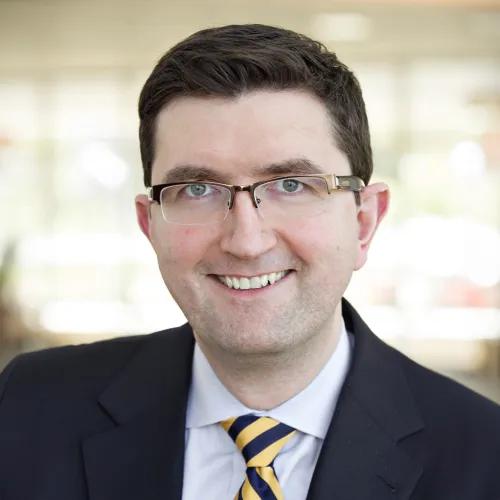
Thomas Christopher Crawford, MD, FACC, FHRS
Clinical Professor
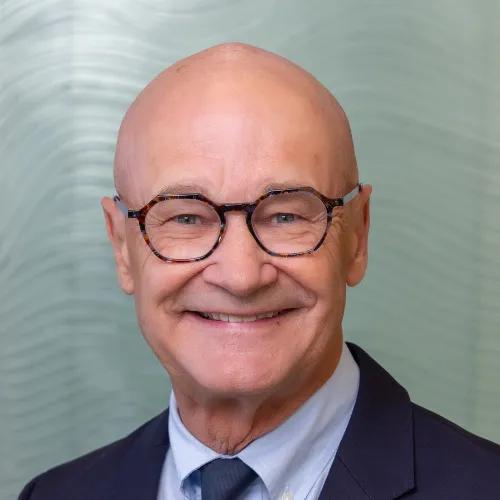
Kim A Eagle
Professor
Stay Informed
Want top health & research news weekly? Sign up for Health Lab’s newsletters today!
Featured News & Stories
4 in 5 parents say having a baby is too expensive
What’s the latest on 7-OH and kratom availability and addiction care?
Better prenatal care data could help prevent maternal complications, experts say
Digital alerts support timely treatment decisions of critically ill cardiac patients
Is the United States Lagging Behind Europe in Memory Improvement?