Receiving personalized treatment for a rare neuroendocrine tumor
After nine months of hospital visits with no clear answers, Danielle Schuldt turned to Rogel Cancer Center for help
1:49 PM
Author |
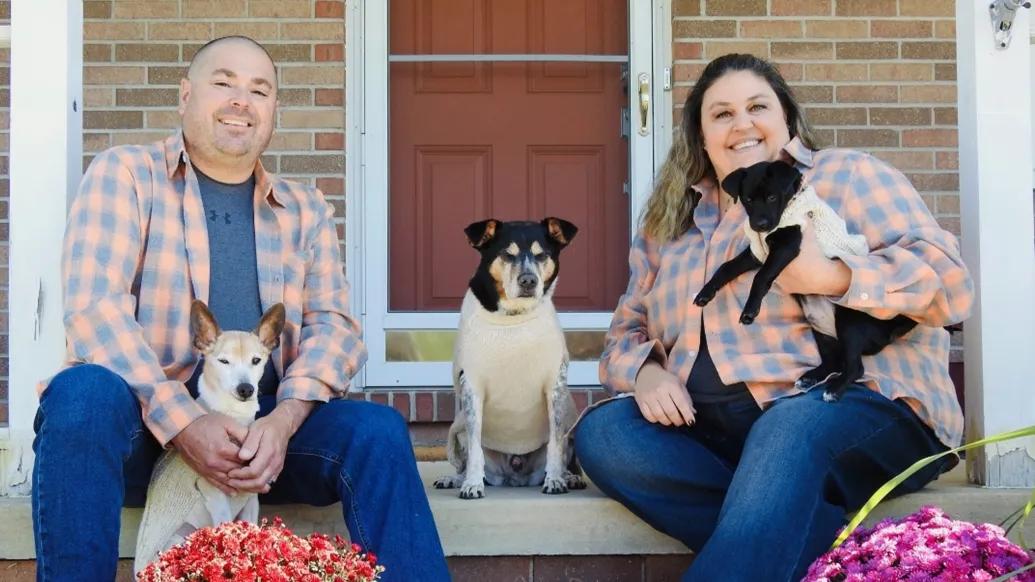
Danielle Schuldt’s symptoms began in February 2025.
She had severe pain in the left side of her torso, which led her to believe she had a kidney stone.
When she followed up with a urologist at a local hospital, they confirmed that Schuldt had two stones in her left kidney.
They were confused by her pain because the stones were so small that usually a patient would pass them easily without experiencing any symptoms.
After an initial CT scan, her urologist suspected that Schuldt might have a tumor.
She met with her primary care provider and a gastroenterologist and underwent several tests, including a biopsy which confirmed that she had a neuroendocrine tumor.
Neuroendocrine tumors are a rare type of cancer that affects about 8,000 patients in the United States per year.
Many neuroendocrine tumors don't cause any symptoms and are often diagnosed when someone has surgery or imaging tests for an unrelated condition.
Schuldt was initially diagnosed with a stage one tumor and was scheduled to meet with a surgeon after undergoing another round of tests.
In November 2025, the surgeon recommended that she find a doctor at the University of Michigan Health because the surgery required specialized expertise that was not available at her local hospital.
“I was frustrated because although I felt physically fine most days, no one seemed to understand my condition,” Schuldt said.
“When I came to the U-M, I finally felt like someone cared.”
Creating a personalized treatment plan for a rare neuroendocrine tumor
Schuldt met with Evan Glazer, M.D., Ph.D., Professor of Surgery, Chief of Surgical Oncology and a member of the Rogel Cancer Center, who explained that she had two tumors in her small intestine. Some tumor cells had also spread to the lymph nodes nearby.
“Since we’re a part of the National Cancer Care Network and an NCI-designated comprehensive cancer center, we often get referrals for rare and complex cancers,” Glazer said.
“We have a multidisciplinary tumor board that devises effective and personalized treatment plans for each patient while ensuring the side effects are minimized as much as possible.”
Together with his colleagues, Glazer determined that surgery would be the best option for Schult since chemotherapy and radiation are usually ineffective for neuroendocrine tumors.
Two months later, Glazer’s team performed surgery to remove a part of Schuldt’s colon and small intestine as well as all the associated lymph nodes.
Although her post-surgery recovery was challenging, her scans have remained clear.
Since neuroendocrine tumors are slow growing, Schuldt will continue to undergo scans every six months.
Advocating for mental health during cancer care
Schuldt has been able to go back to work as a 911 dispatcher and has regained enough energy and strength to resume fostering dogs.
She also spends her time advocating for patients to find mental health resources during their cancer treatment journey.
“Before my diagnosis, I felt like I was in survival mode for a year trying to figure out what was wrong with me,” Schuldt said.
“Even though I had an amazing support system with my husband, close friends and my Rogel team, it felt like I had been through a blender.”
She has been working with a therapist who has helped her emotionally heal from her journey.
Through her advocacy efforts, Schuldt also emphasizes the need for increased awareness of neuroendocrine cancers and the challenges patients face to receive an accurate diagnosis.
She has created a network of patients who have reached out to her with their experiences of neuroendocrine cancer.
“People usually see 5-7 doctors before they're properly diagnosed with this type of cancer and many are misdiagnosed,” Schuldt said.
“That’s why it’s important to speak up about your experiences and help others.”
Learn more about the Patient & Family Support Services Program at the University of Michigan Rogel Cancer Center.
Sign up for Health Lab newsletters today. Get medical tips from top experts and learn about new scientific discoveries every week
Sign up for the Health Lab Podcast. Add us wherever you listen to your favorite shows

Health Lab
Explore a variety of health care news & stories by visiting the Health Lab home page for more articles.
Media Contact

Public Relations
Department of Communication at Michigan Medicine
In This Story
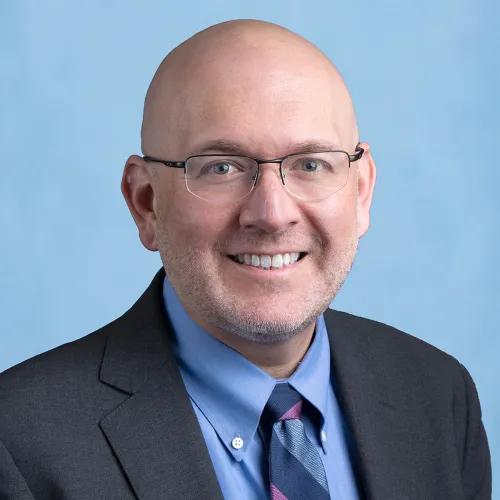
Evan S Glazer, MD, PhD, FACS
Clinical Professor
Stay Informed
Want top health & research news weekly? Sign up for Health Lab’s newsletters today!
Featured News & Stories

Long friendship inspires urology resident fund

Researchers create new path to target hard-to-drug prostate cancer protein

Gifts advance colon cancer prevention and early detection
Study explains how colorectal cancer cells maintain high iron levels

Helping an employee-turned-patient overcome a brain tumor