The realities of sibling rivalry
What parents can do to mediate fights between their kids
8:19 AM
Author |
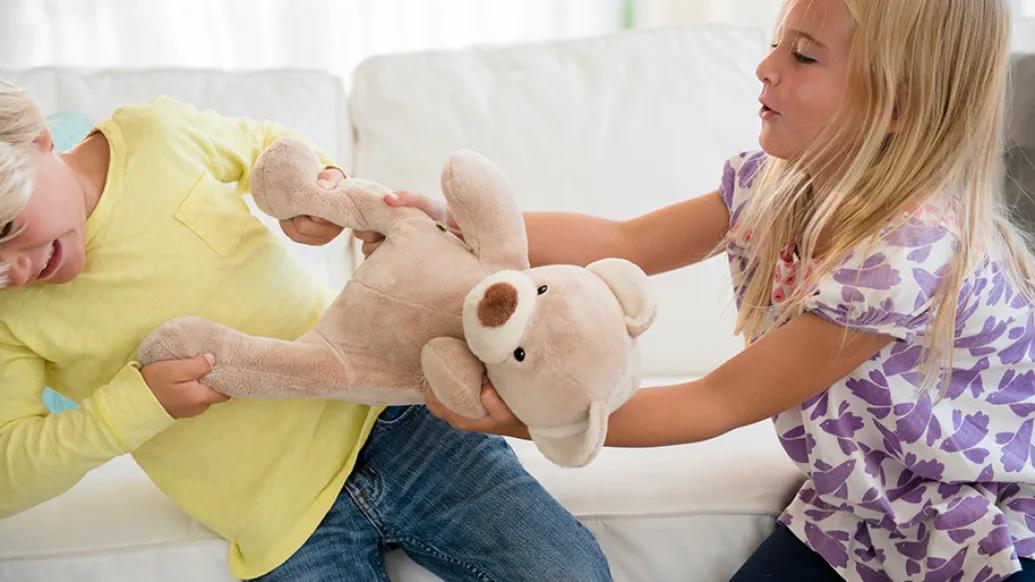
Sibling rivalry is categorized as jealousy, competition and fighting between brothers and sisters.
It’s a concern for almost all parents with two or more kids.
Problems often start right after the birth of the second child, and continues throughout childhood, which can be very frustrating and stressful for parents to handle.
Fortunately, there are many things you can do to help your kids get along better and work through conflicts in positive ways.
The good news is, it’s more likely than not that that your kids’ relationships with their siblings will eventually develop into a close one.
Working things out between siblings gives your children a chance to develop important skills such as cooperating and being able to see another person’s point of view.
What causes sibling rivalry?
There are many factors that contribute to sibling rivalry.
Some examples include:
1. Each child competing to define themselves as an individual
As they discover who they are, they try to find their own talents, activities, and interests.
They want to show that they are separate from their siblings.
2. The feeling of unequal attention, discipline and responsiveness
Children may feel their relationship with their parents is threatened by the arrival of a new baby.
Children may not know positive ways to get attention for a sibling or how to start playful activities, so they pick fights instead.
3. Family dynamics
For example, one child may remind a parent of a relative who was particularly difficult, and this may subconsciously influence how the parent treats that child.
Kids often fight more in families where parents think aggression and fighting between siblings is normal and an acceptable way to resolve conflicts.
Having regular family time together, like sharing regular family meals, can decrease the likelihood that children will engage in conflict.
4. Stress
Stress in your life can decrease the amount of time and attention you can give to your kids and therefore increase sibling rivalry.
5. Differences in developmental stages
This affects how mature they are and how well they can share your attention and get along with one another.
Children who are hungry, bored or tired are more likely to become frustrated and start fights.
Additionally, stress can shorten your kid’s fuses, and decrease their ability to tolerate frustration, leading to more conflict.
How parents treat their kids and react to conflict can make a big difference in how well siblings get along.
How can I help my kids get along better?
First and foremost, don’t play favorites, and try not to compare your children to one another.
Setting your kids up to cooperate rather than compete will also help.
In addition to this, plan family activities that are fun for everyone.
For example, don't say things like, "Your brother gets good grades in math, why can't you?"
Let each child be who they are. Don’t try to pigeonhole or label them.
Enjoy each of your children’s individual talents and successes.
For example, have your kids race the clock to pick up toys, instead of racing each other.
Make sure to pay attention to the time of day or other patterns in when conflicts usually occur.
For instance, are conflicts more likely happening right before naps or bedtime or when a child is hungry before a meal?
Perhaps a change in the routine, like an earlier meal or snack, or a well-planned quiet activity when the kids are at loose ends could help avert your kids’ conflicts.
It’s important to teach your kids positive ways to get attention from each other. Show them how to approach one another when asking to play, and to share their belongings and toys.
Being fair is very important, but it’s not the same as being equal.
Older and younger children may have different privileges due to their age, but if kids understand that this inequality is because one child is older or has more responsibilities, they’ll come to understand that this is considered “fair”.
Even if you do try to treat your children equally, there’ll still be times when they feel as if they’re not getting a fair share of attention, discipline or responsiveness from you.
Expect this and be prepared to explain the decisions you make. Reassure your kids that you do your best to meet each of their unique needs.
If your kids have good experiences together, it acts as a buffer when they come into conflict.
It’s easier to work it out with someone you share warm memories with.
Make sure each of your children has enough time and space of their own.
Kids need chances to do their own thing, play with their own friends without their siblings and to have their space and property protected.
Helping your children learn to manage conflict with other children is an important learning block as they grow.
The importance of “alone time” with each child
Set aside “alone time” for each child, if possible.
Each parent should try to spend some one-on-one with each kid on a regular basis.
Try to get in at least a few minutes each day. You’ll be surprised by how much even 10 minutes of uninterrupted one-on-one time can mean to your child.
When you are alone with each kid, ask them occasionally to name positive things about their siblings that they like and also are some of the things that might bother them or make them mad.
This will help you keep tabs on their relationships and also remind you that they likely do have some positive feelings for each other.
Listen—really listen—to how your children feel about what’s going on in the family, as they may not be so demanding if they know you at least care how they feel.
Celebrate your children’s differences and let each child know that they’re special in their own way.
Benefits of hosting regular family meetings
If you have older children, schedule a family meeting occasionally.
The purpose of the family meeting is to recognize that everyone's opinion makes a difference.
The meeting allows the family to share their opinions, seek understanding and find resolutions to problems.
Family meetings help to build cooperation and responsibility and make anger and rebellion less likely.
Also, it’s a time to share love, develop unity, and build trust and self-esteem.
The social skills and attitudes that children develop within their family circle are the skills and attitudes they’ll carry with them the rest of their lives.
A family meeting is a meeting for all members to work together to make family decisions.
Parents, children, and any others who live in the home and have a stake in decisions affecting the daily life of the family, should take part.
To make your family meetings successful, establish some general rules such as:
- Everyone gets a chance to talk
- One person talks at a time and doesn’t get interrupted
- It’s okay to say what you feel
- No one has to talk, but everyone has to listen
- No one puts anyone else down
It may also be helpful to set an agenda, such as:
- Family issues, concerns, interests and positive events from the past week
- Determining priority issue(s)
- Clarifying the issue to be discussed
- Generating possible solutions
- Determining the most effective solutions
- Making plans to implement the solution
- Planning a fun activity for the upcoming week
Additional resources:
- Introducing a new baby sibling to the family (U-M Your Child)
- Helping kids learn to manage conflict (U-M Your Child)
Suggested reading:
- Siblings Without Rivalry: How to Help Your Children Live Together So You Can Live Too, by Adele Faber and Elaine Mazlish
- Peaceful Parent, Happy Siblings: How to Stop the Fighting and Raise Friends for Life, Dr. Laura Markham
Suggested reading for kids:
- I Love You the Purplest, by Barbara Joosse. Ages 4-adult. Two brothers compete for their mom’s attention and love. She shows them she loves each of them for their special selves.
- You’re All My Favorites, by Sam McBratney. Ages 2-5. Mommy and Daddy Bear convince three worried cubs that there's plenty of love to go around.
- Do Like Kyla, by Angela Johnson. Ages 4-9. A younger sister wants to do everything like her older sister.
- Sheila Rae’s Peppermint Stick, by Kevin Henkes. Preschool. Sheila Rae taunts and torments her little sister and refuses to share her peppermint stick. Has a win-win ending.
- Naughty Toes, by Ann Bonwill. Ages 3-6 A gentle story embracing your individuality, helped by understanding and sensible adults.
Reviewed by Sara Laule, MD
Updated by Sydney Ryckman, MD, February 2022

Health Lab
Explore thousands of health news & research stories by visiting the Health Lab homepage for more.
Media Contact

Public Relations
Department of Communication at Michigan Medicine
Stay Informed
Want top health & research news weekly? Sign up for Health Lab’s newsletters today!
Featured News & Stories
Back-to-school anxiety: 6 ways to fight the fear
Safe sleep for babies

Navigating Mental Health Resources
10 Tips for New Parents

Croup