Rare genetic eye disease treated with gene therapy helps 2 children see again
Mia and Niko Spicer were diagnosed with Leber’s congenital amaurosis, a rare genetic eye disease, and were treated with Luxturna
5:00 AM
Author |
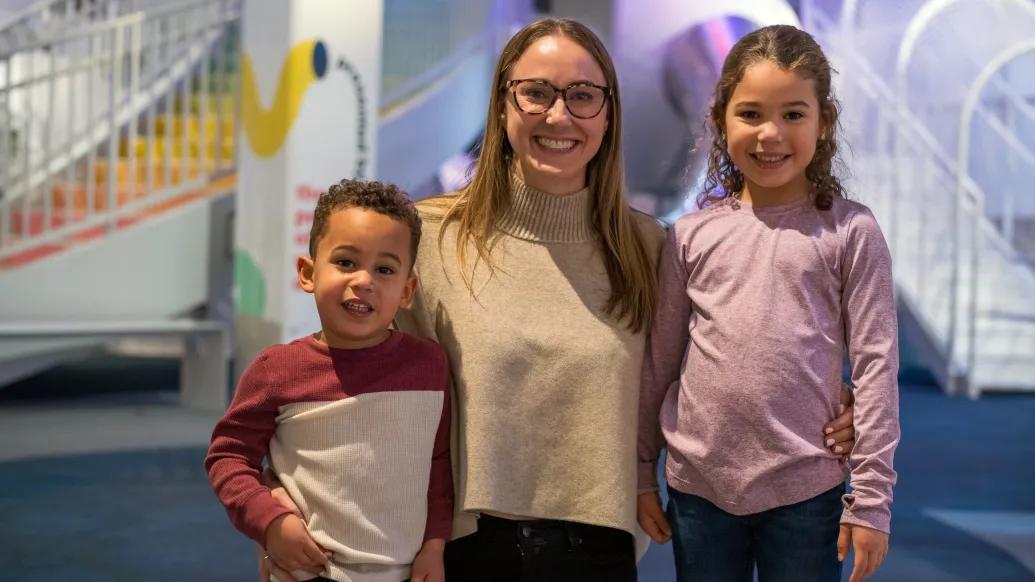
For many parents and doctors, pinpointing that something is wrong with a child’s health before they can speak can be challenging.
When those health issues involve vision, they can often be mistaken for a behavioral trait.
During Halloween in 2021, Sabrena Gates discovered that her daughter, Mia Spicer, who was turning two, was unable to see when she was trick-or-treating.
Even though it was early in the evening, Mia stumbled as she made her way through the neighborhood.
When they visited a pediatric ophthalmologist in Atlanta, they were told that Mia would need to return when she had more words to describe her experience since her daytime vision was perfect.
The family went to a different ophthalmologist in March 2022 and received the same advice.
They returned in August 2023 when Mia was able to describe what she was experiencing, but her doctors stated that her eyesight looked normal.
Frustrated by the lack of answers, Gates insisted on a genetic test.
Mia was diagnosed with Leber’s congenital amaurosis type 2, a rare genetic eye disease that affects the retinas.
She had two abnormal versions of the gene RPE65, a condition that affects about 1 in 50,000-100,000 individuals in the United States.
Children born with this condition have low vision, especially at night, that can worsen as they grow up, eventually leading to blindness.
Traveling from Georgia to receive Luxturna gene therapy in Michigan
Once Mia’s diagnosis was confirmed, her ophthalmologist put the family in contact with Spark Therapeutics, which develops gene therapy treatments for genetic diseases.
The company developed Luxturna, a gene therapy product for patients with mutations in RPE65.
The therapy was approved by the FDA in 2017.
However, there are only 17 centers in the U.S. that could provide this therapy and none of those are located in Atlanta.
Since Gates worked in drug development for rare ophthalmology conditions, she quickly learned that the University of Michigan Health had specialists who were involved in the clinical trials for Luxturna.
It's also the only hospital in the state of Michigan that offers the treatment.
The family brought Mia to W.K. Kellogg Eye Center, and her first surgery was scheduled for May 2024 at C.S. Mott Children’s Hospital.
A week later, Mia’s care team operated on her other eye.
The procedure involves injecting a virus that enters the retinal cells and delivers a healthy normal copy of RPE65.
“We try to complete both surgeries within a month because when one of the eyes has been exposed to the drug, it may cause a strong immune response in the other eye,” said Emily Eton, M.D., a Clinical Assistant Professor of Ophthalmology and Visual Sciences.
“Promisingly, we know that the drug works well for at least ten years and we are waiting for more data to show that it can work beyond that.”
Mia’s younger brother, Niko, was also diagnosed with the same disorder before he turned two.
He underwent the same treatment process with Eton in December 2024.
Both children had improved vision within a day after their surgeries.
“We were staying with my parents in Jackson and Mia was able to navigate the house easily at night,” Gates said.
“Niko was able to pick out orange slices from a cup when it was dark. It was incredible to see how quickly their vision was restored.”
Both children now enjoy seeing fireworks and stars in the night sky. They also love going to the zoo and aquarium, where they are able to see the animals.
Importance of research for rare eye diseases
To date, teams from Kellogg have treated over 35 patients between the ages of two and 31 with Luxturna.
Without treatment, children can become legally blind by the time they are teenagers, according to Eton.
Awareness and early detection are key to helping children live with better vision as they grow.
Eton’s team is hoping they can track Mia and Niko’s vision to understand the long term benefits of Luxturna.
Both return to Michigan every six months to undergo vision tests.
“Our children love visiting the doctors here,” Gates said.
“They run in and hug everyone and celebrate when Dr. Eton comes into the room.”
Through her work, Gates recognizes the importance of research in the field of rare eye disease.
Currently, panels testing for genetic mutations that cause vision loss only screen for 330-350 genes.
Only a few of these mutations have treatments, most of which are still in clinical trials.
“We need more research, which includes failure and success,” Gates said.
“If we don’t continue working on this, many children could lose their vision.”
Sign up for Health Lab newsletters today. Get medical tips from top experts and learn about new scientific discoveries every week.
Sign up for the Health Lab Podcast. Add us wherever you listen to your favorite shows.

Health Lab
Explore thousands of health news & research stories by visiting the Health Lab homepage for more.
Media Contact

Public Relations
Department of Communication at Michigan Medicine
In This Story
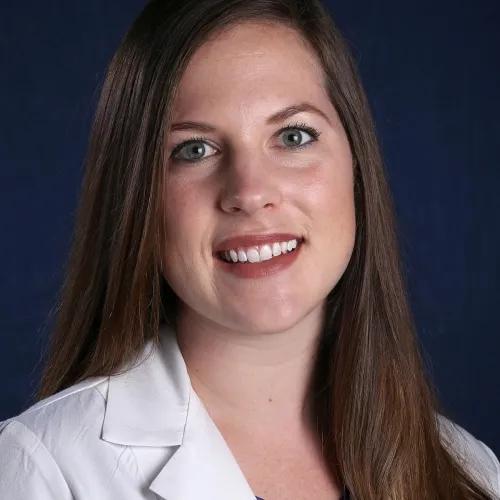
Emily Eton
Clinical Assistant Professor
Related
Gene Therapy Treatment Targets Rare Mutation Tied to Blindness
7-Year-Old Receives New FDA-Approved Retina Gene Therapy
Stay Informed
Want top health & research news weekly? Sign up for Health Lab’s newsletters today!
Featured News & Stories
Innovative children’s vision research gets a boost from the Knights Templar Eye Foundation
Nerf gun accident causes retinal detachment in pediatric patient
Pediatric patient treated for rare kidney cancer

E-Bikes are everywhere, but most parents say they don’t know enough about them
Kellogg care inspires gift to vision research