Randy Seeley gets a lot of questions about GLP-1s. Here’s why
The researcher dissected bariatric surgery to understand how it actually works, contributing to obesity therapies that have given rise to drugs like Ozempic and Wegovy
5:00 AM
Author |
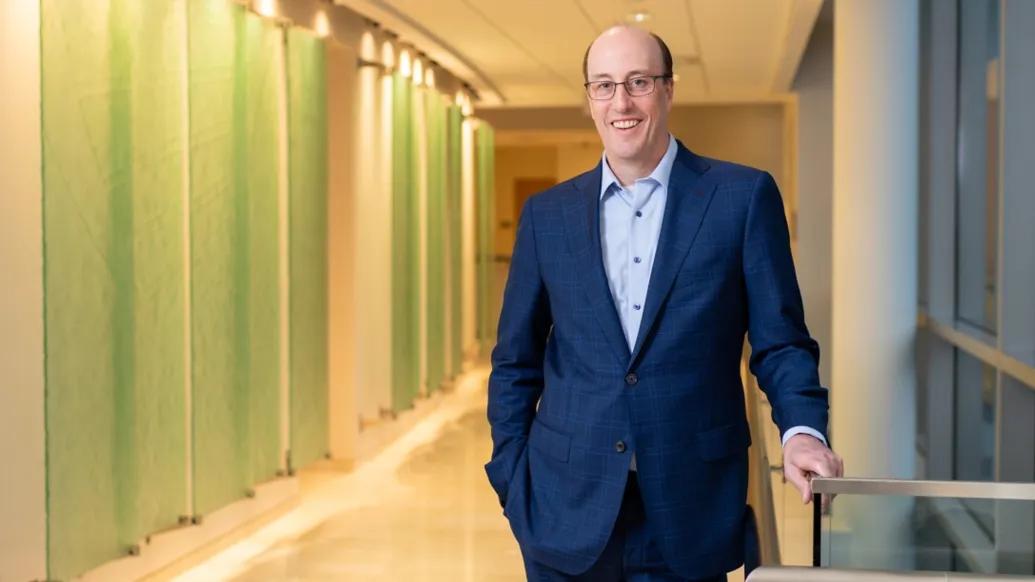
This story was originally published by the University of Michigan Medicine School by Gillian Golden.
Randy Seeley’s email inbox looks a lot different than it used to.
A few years ago, it was a pretty typical academic researcher’s inbox: publication revisions, committee membership requests, managing lab equipment.
These days, the Ph.D. basic science researcher in the department of surgery fields a barrage of inquiries from journalists and investment bankers looking for his perspective on GLP-1 drugs like Ozempic and Wegovy.
Seeley has been studying communication between the gut and brain and how it translates into obesity and diabetes therapies for more than 30 years.
His research is well known in the field: He’s published nearly 400 articles in several high-profile journals and his work has been cited more than 43,000 times (though he’ll say some of those citations include times when the understanding of the science was wrong.)
Seeley is the director of the Michigan Nutrition Obesity Research Center, has served on numerous review panels for the National Institutes of Health, and is the Senior Associate Editor for Diabetes.
He’s also worked closely with several companies seeking new therapies for obesity and diabetes (see disclosure statement below.)
The GLP-1 connection
Seeley’s lab dissects bariatric surgery and how it affects communication between the gut and the brain.
“When we first started working on bariatric surgery 20 years ago, the surgeons would tell you that it’s about physical restrictions by making your stomach super small. That just made no sense to me,” Seeley said.
The animal models he works with show that making a stomach very small has nothing to do with weight loss.
The change comes from how the brain communicates with the stomach via gut hormones, like GLP-1, which is thought to play a role in why a person stops eating.
GLP-1 is secreted after eating and is only active for about two minutes after eating, but modifications can be made to create analogs that last 24 hours, a week, and maybe even up to a month.
These analogs, semaglutide drugs like Ozempic, can effectively mimic surgery’s benefits without the need for invasive procedures.
Going on the record to set things straight
“I’ve been studying this system for over 30 years, and no one really cared,” Seeley said.
“And even when these were therapies for Type-2 Diabetes, not that many people cared because it’s a smaller population and it animated fewer people to be concerned or think it was great.”
That was until the success of these drugs burst into the mainstream.
Seeley started getting requests from journalists to comment on everything from the impact of the drugs on bariatric surgery to how they would affect the way users consume alcohol.
Seeley’s happy to answer the questions – especially if he can help educate people about how they work and combat some of the misinformation about the side effects and longevity of the drugs.
The public shaming around the use of these drugs surprised Seeley, and it’s another angle he’s eager to discuss.
“I’ll admit to being naive. I thought once people saw how effective these drugs were, thinking about obesity as a biological problem with a biological solution would seem obvious,” Seeley said.
Instead, individuals with obesity who have been shamed for the way their body is are shamed for using these drugs, as if they were using a cheat code to shed weight rather than pursuing an effective treatment.
There’s a level of bias around obesity that undercuts the successes of the therapies.
Seeley talks to reporters to get a credible scientific perspective represented in the media.
It won’t stop the negative swell, but it can supply people with accurate information and maybe make more people feel like they deserve this kind of care.
Different collaborators for better care pathways
Seeley thinks of his lab’s work as reverse translational: They take a clinical phenomenon, bariatric surgery, back to the lab to understand how it actually works.
“It’s one of the most fun parts of my job – not just to be thinking about these problems from a pure curiosity about how the biology works, but how do you leverage that information into therapies that help patients?” Seeley said.
That’s what pharmaceutical companies want answers to so that they can develop the next generation of therapies.
Seeley and his lab have partnerships with companies like Novo Nordisk and Eli Lilly to help understand how these drugs work and solve problems that could lead to better versions.
GLP-1 drugs won’t replace surgery or other treatments for obesity because they won’t work perfectly for every person, according to Seeley.
What they do is give doctors more tools to help patients and build out care pathways to assess which options will be most helpful for any individual.
Seeley sees this as an important evolution for obesity therapies in the future, which is a credit to the perspective he’s gained from his clinical collaborators.
“I’ve spent nearly my entire career in a clinical department and it has helped my science enormously. It’s made it more clear about what I should be trying to do and how I can apply my curiosity to the things that are going to matter the most,” Seeley said.
Disclosure: RJS has received research support from Novo Nordisk, Fractyl, Astra Zeneca, Congruence Therapeutics, Eli Lilly, Bullfrog AI, Glyscend Therapeutics and Amgen. RJS has served as a paid consultant for Novo Nordisk, Eli Lilly, CinRx, Fractyl, Structure Therapeutics, Crinetics, Amgen and Congruence Therapeutics. RJS has equity in Bullfrog AI, Calibrate, and Rewind.

Health Lab
Explore thousands of health news & research stories by visiting the Health Lab homepage for more.
Media Contact

Public Relations
Department of Communication at Michigan Medicine
In This Story

Randy J Seeley
Professor
Stay Informed
Want top health & research news weekly? Sign up for Health Lab’s newsletters today!
Featured News & Stories
What’s the latest on 7-OH and kratom availability and addiction care?

A metabolic “switch” that could help reset scar-producing cells in scleroderma

Depression in OBGYN residents needs more attention, study suggests

Emergency room intervention pairs smartphone, telehealth counseling to reduce risky firearm behavior

Better prenatal care data could help prevent maternal complications, experts say