Protect yourself from dry eyes this winter
Although the condition is common, for many symptoms can be resolved with at-home treatments
5:00 AM
Author |
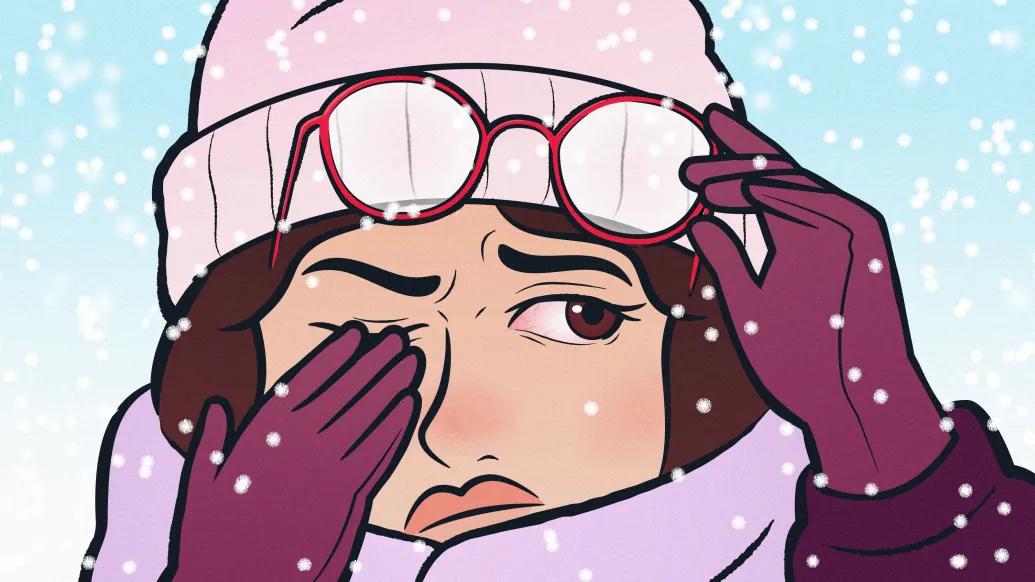
Nearly 16 million people in the United States suffer from dry eyes every year, according to the National Eye Institute.
Although there can be other underlying health problems, the combination of low humidity outside and central heating inside buildings can exacerbate dry eyes.
If left untreated, it can cause redness, blurry vision and sensitivity to light.
Here, Roni Shtein, M.D., an associate professor of ophthalmology and visual sciences at Michigan Medicine, answers questions about why dry eye disease occurs and what measures you can take to ensure your eyes stay hydrated throughout the winter.
Why do your eyes dry out in the winter?
Shtein: Our eyes are covered by a thin film that consists of three components: oil, water and mucus that keep our eyes hydrated and prevent them from drying out too quickly.\You suffer from dry eyes when your tears either dry up too fast or they don’t work well enough to keep your eyes wet.
Who’s at risk for dry eyes?
Shtein: People who are older, wear contact lenses or suffer from autoimmune diseases and hormonal imbalances are at a higher risk.
During winter, it’s cold and dry outside and the buildings have heating inside, which dries out the air.
As a result, people don’t recover any level of moisture under these adverse conditions.
What treatments are there for dry eyes?
Shtein: Wearing glasses, especially those with side shields, can help protect you in windy environments.
Over-the-counter eye drops, like artificial tears, also work well for many people.
You can try increasing the local humidity around your eyes by keeping a humidifier in the room or using warm compresses over the eyes.
Unfortunately, many people wait until the symptoms are painful and none of these measures are likely to immediately fix the problem. It can take a few weeks for the moisture levels to get rebalanced.
When should you see a doctor for dry eyes?
Shtein: People rarely get to the point of dryness that can cause long term consequences.
However, if you have tried these first-line remedies and none of them seem to work, you should go to a doctor.
What other eye-related illnesses can occur in the winter?
Shtein: Inflammation of the eyelids, a condition called blepharitis, can accompany dry eyes.
The eyelids can become irritated and itchy, and it can feel like you have sand in your eyes.
This is closely related to meibomian gland dysfunction, where the glands in the eyelids do not produce enough oils.
As a result, the composition of the tear film is unbalanced, and the eyes dry out.
Sign up for Health Lab newsletters today. Get medical tips from top experts and learn about new scientific discoveries every week
Sign up for the Health Lab Podcast. Add us wherever you listen to your favorite shows

Health Lab
Explore thousands of health news & research stories by visiting the Health Lab homepage for more.
Media Contact

Public Relations
Department of Communication at Michigan Medicine
In This Story

Roni M Shtein
Associate Professor
Related
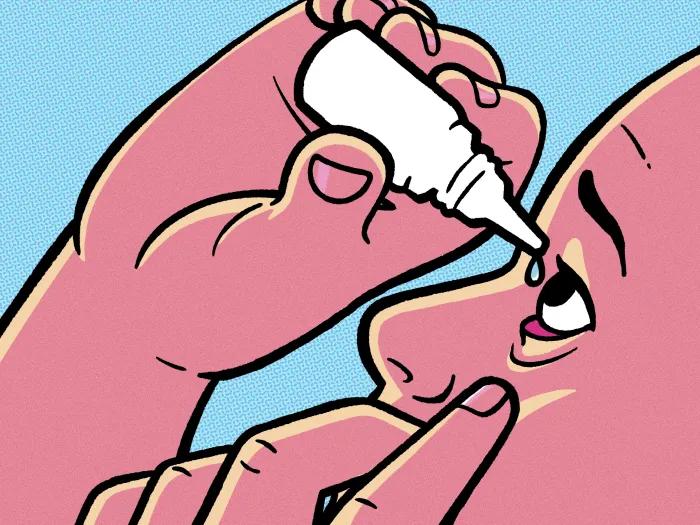
See clearly with these tips for safely using eye drops
Stay Informed
Want top health & research news weekly? Sign up for Health Lab’s newsletters today!
Featured News & Stories

Nerf gun accident causes retinal detachment in pediatric patient

Kellogg care inspires gift to vision research

Mediterranean diet can slow progression of age-related macular degeneration

Patient with retinitis pigmentosa receives new hope at Kellogg’s low vision clinic

Rare genetic eye disease treated with gene therapy helps 2 children see again