Pregnant women hospitalized for COVID-19, and their newborns, have higher complication risk
Vaccination may reduce the risk of negative outcomes
9:00 AM
Author |
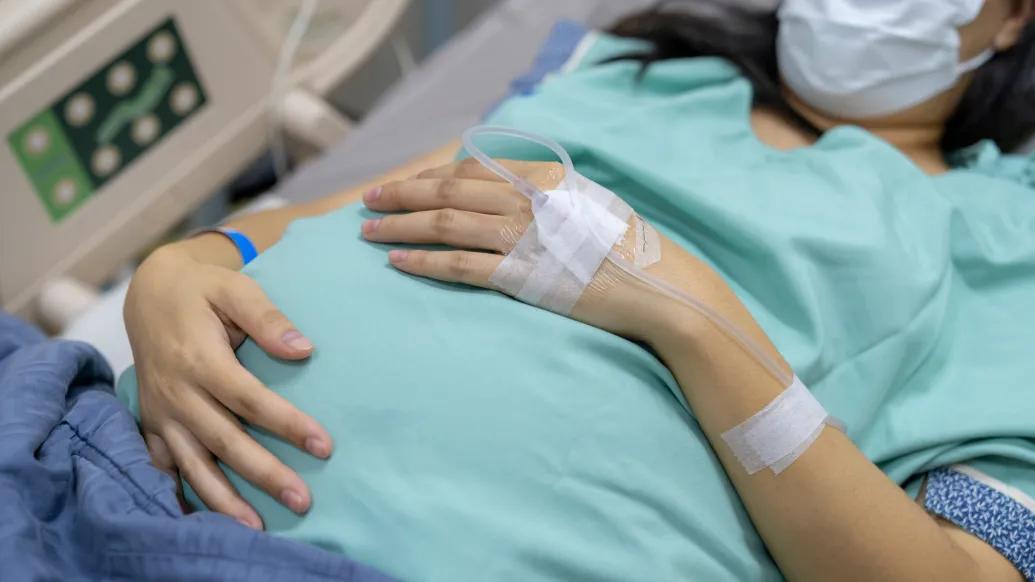
When hospitalized for COVID-19, pregnant women — and their eventual newborn children — have a higher risk of complications, according to a Michigan Medicine study.
The research, conducted between early 2020 and late 2022, revealed that pregnant women were nearly 3.5 times more likely than non-pregnant women to require respiratory support when hospitalized for COVID-19.
One in five pregnant patients required non-mechanical respiratory support, such as a high-flow nasal cannula or continuous positive airway pressure (CPAP).
The results are published in BMC Pregnancy and Childbirth.
“What we observed wasn't just a difference in disease severity but a difference in clinical vigilance,” said Salim Hayek, M.D., adjunct professor of internal medicine-cardiology at University of Michigan Medical School and chief transformation officer at the University of Texas Medical Branch.
“Care teams were more likely to provide respiratory support to pregnant patients, likely because the threshold for intervention is lower when you are fighting for two lives. It reflects the complex reality of treating a mother who is trying to oxygenate not just herself, but her fetus as well.”
During the study period, one in every eight hospitalized women of childbearing age was pregnant.
Nearly 70% of all patients who gave birth during their COVID-19 hospitalization delivered preterm, and 44% of babies delivered during the mother’s hospital stay were admitted to the neonatal intensive care unit (NICU).
The results further solidify the risk COVID-19 poses for pregnant patients. Not only may they experience increased respiratory distress, but they also face greater rates of unique, cardiovascular pregnancy complications, such as preeclampsia, peripartum cardiomyopathy and spontaneous coronary dissections.
“These findings highlight the importance of close monitoring as pregnancy progresses when a patient is hospitalized for COVID-19, including the involvement of high-risk obstetrics providers early in their care,” said Melinda Davis, M.D., a co-director of the Cardio-Obstetrics Program at U-M Health Von Voigtlander Women’s Hospital who was not involved in the study.
“The health of the mother and baby are inextricably linked. You cannot care for a fetus without providing exceptional care for the mother.”
SEE ALSO: COVID vaccine reduces risk of severe illness in pregnant women, protects newborns
Most pregnant women who required mechanical ventilation were in their third trimester.
Seven of the eight pregnant women placed on a ventilator were unvaccinated against COVID-19.
The finding echoes previous studies that demonstrate the vaccine’s effectiveness at preventing major complications, which is reflected in a 2025 guidance from the American College of Obstetricians and Gynecologists on maternal immunization.
“We saw in the research and in practice that COVID-19 vaccination provided some protection against poor maternal and fetal outcomes,” said Elizabeth Langen, M.D. a co-director of the Cardio-Obstetrics Program and director of the Maternal-Fetal Medicine Fellowship who was not involved in the study.
“Clear messaging on the benefits of vaccination during pregnancy for viruses including both flu and COVID is essential.”
Additional authors: Alina R. Bardwell, Christina G. Hutten Ph.D., Alexi Vasbinder, Ph.D., Feriel Presswalla, Anis Ismail M.D., Yiyuan Huang, Ph.D., Tonimarie Catalan, Kristen Machado Diaz, Ian Pizzo, Elizabeth Anderson, Mousumi Banerjee, Ph.D., Rodica Pop-Busui, M.D., Ph.D., all at University of Michigan at the time of the study.
Funding/disclosures: This study was partially supported by the National Heart, Lung, and Blood Institute (HL153384-01, HL007853) and the National Institute of Diabetes and Digestive and Kidney Diseases (DK107956, DK11672, DK119083, DK020572) of the National Institutes of Health.
The content is solely the responsibility of the authors and does not necessarily represent the official views of the NIH.
The study was also supported by the Juvenile Diabetes Research Foundation, the Michigan Diabetes Research Center and the Frankel Cardiovascular Center COVID-19: Impact Research Ignitor award.
Paper cited: “Pregnant hospitalized COVID-19 patients: disease, delivery, maternal and fetal outcomes,” BMC Pregnancy and Childbirth. DOI: 10.1186/s12884-025-07907-3
Sign up for Health Lab newsletters today. Get medical tips from top experts and learn about new scientific discoveries every week
Sign up for the Health Lab Podcast. Add us wherever you listen to your favorite shows.

Health Lab
Explore thousands of health news & research stories by visiting the Health Lab homepage for more.
In This Story

Salim Hayek
Adjunct Associate Professor

Melinda B Davis, MD
Clinical Professor

Elizabeth S Langen, MD
Clinical Professor
Related

COVID vaccine reduces risk of severe illness in pregnant women, protects newborns
Despite policy confusion, vaccines for flu, COVID still strongly recommended
Featured News & Stories
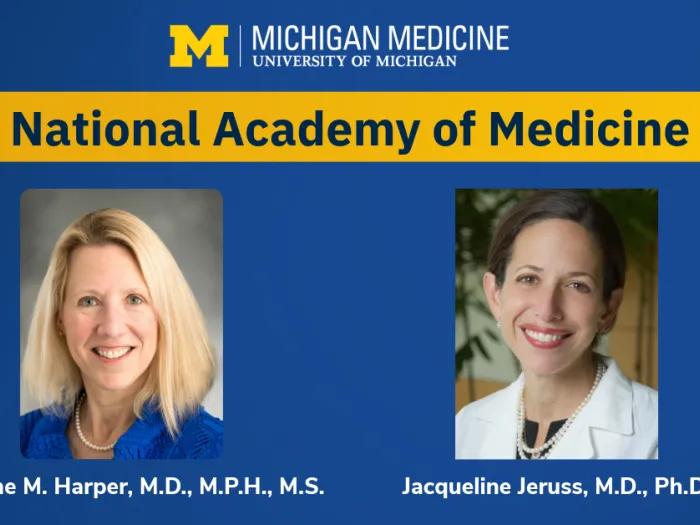
Two U-M Researchers Earn Election to National Academy of Medicine
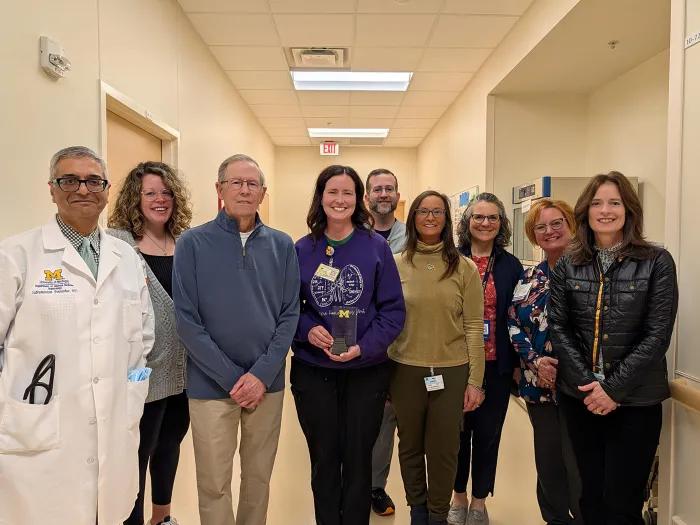
Family’s gift honors wife and mother, supports nephrology nurses

Gene editing is coming for common diseases. Are we ready?

The AI is listening: Implications of machine generated clinical notes on health care

Comprehensive DNA sequencing reveals hidden drivers of cancer