Potty pressure: 1 in 5 parents report struggles with toilet training
A poll highlights the challenges and anxieties many families face during major developmental milestone
5:00 AM
Author |
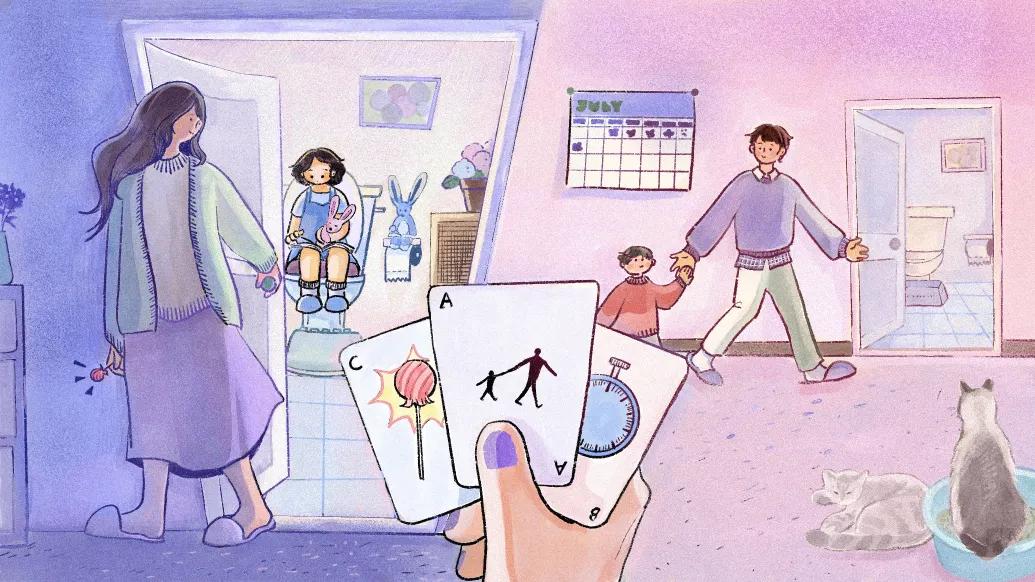
Transitioning from diapers to the toilet is a major step for young children — and their parents.
Now a report shines a light on just how bumpy that journey can be.
One in five parents say their child had potty anxiety during toilet training and another one in five say the process was harder than they expected, according to the University of Michigan Health C.S. Mott Children’s Hospital National Poll on Children’s Health.
“Learning to use the toilet is a major step in a young child’s development and requires time, patience, and consistency,” said Mott Poll Co-Director and Mott pediatrician Susan Woolford, M.D.
“Our report demonstrates that parents are approaching potty training thoughtfully but for many families and their kids, the process often includes setbacks, frustrations, and moments of uncertainty.”
The nationally representative report – based on 820 responses from parents of children ages one to six – found that more than half of parents started potty training around age two. However, 21% began earlier, and another 22% waited until age three.
Most felt they chose the right time, though a small number said they may have started too early or too late.
Timing isn’t everything
Parents factored in a variety of reasons before starting potty training.
Some needed their child to be out of diapers to enter daycare or preschool.
Others were motivated by the cost of diapers — with one in five saying this financial burden played a role in the decision.
“Waiting until a child is truly ready can make the process smoother for everyone,” Woolford said.
“Pushing it too soon often leads to frustration and delays. But some families don’t have the flexibility to wait.”
Readiness signs can include staying dry for longer periods, showing interest in the bathroom, following simple instructions, and being able to help dress or undress themselves.
Some children may also hide when they need to go or start mimicking adult bathroom behavior.
Common struggles, from regression to resistance
Among parents who reported difficulty, the most common challenges included a child’s refusal to cooperate, busy family schedules, coordination between home and daycare, and household disruptions.
Children may resist for a range of reasons, Woolford notes, from fear of flushing noises to discomfort with adult-sized toilets. Some may struggle with this type of change.
Even once progress is made, regression is common: about a third said their child seemed trained but then took a step back. Eight percent reported issues with constipation or encopresis.
“Potty training isn’t always a straight path,” Woolford said.
“Understanding that it’s a gradual process can help parents stay patient. Setbacks are normal, particularly when there are stressful events in the child’s life such as a new sibling or a move to a new home.”
Routines and a calm approach work best
Parents reported using a variety of strategies to support their child during potty training.
The most common ones included taking their child to the toilet regularly, offering small rewards, letting their child go diaper-free during the day, or turning the process into a game or something fun.
Another 16% tried the “three-day potty training” method, which can work well when time is short but may feel too intense or stressful for some families, Woolford says.
For children with high potty anxiety, Woolford recommends turning the bathroom into a pressure-free space where they can read books or play songs that help them feel more relaxed.
Simple tools like sticker charts, potty-only toys, and consistent routines can also go a long way as well as using a child-sized potty to help kids feel more secure.
“Regardless of the method, the most important things are consistency, encouragement, and keeping the experience as low-pressure and supportive as possible,” Woolford said.
“If a child continues to struggle, especially if there’s pain, withholding, or ongoing anxiety, parents should talk to their pediatrician for guidance and support.”
Sign up for Health Lab newsletters today. Get medical tips from top experts and learn about new scientific discoveries every week.
Sign up for the Health Lab Podcast. Add us wherever you listen to your favorite shows.

Health Lab
Explore thousands of health news & research stories by visiting the Health Lab homepage for more.
Media Contact

Public Relations
Department of Communication at Michigan Medicine
In This Story

Susan J Woolford, MD, MPH
Associate Professor
Related
The dangerous intestinal disease fatal to premature babies and vulnerable infants
Stay Informed
Want top health & research news weekly? Sign up for Health Lab’s newsletters today!
Featured News & Stories

Better prenatal care data could help prevent maternal complications, experts say

Pain, psychological factors and physical function closely linked in people with systemic sclerosis

Many hospitals still don’t do enough to prevent UTIs from catheters

Rural-urban disparities in head and neck cancer

Study outlines a new framework for direct cell reprogramming