Play Dates and Food Allergies: What Parents (and Hosts) Need to Know
If a child with food allergies visits your home — or if your own allergic children are headed out — these tips can help ensure a safe visit for everyone.
7:00 AM
Author |
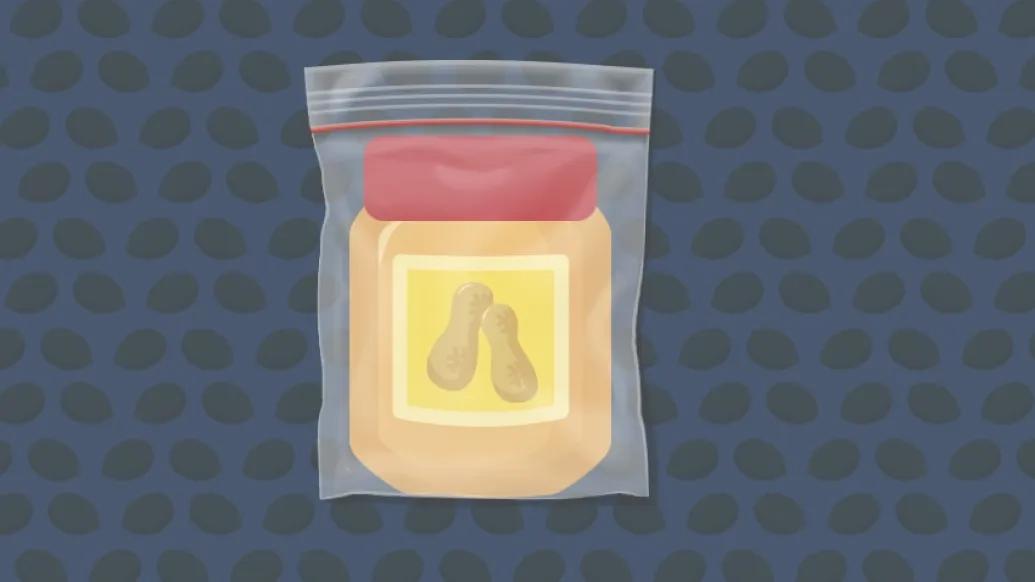
For parents of children with food allergies, the prospect of a play date might be problematic when it comes to meals or snack time.
In the worst-case scenario, it can be life-threatening.
About 1 in 13 children has a food allergy, according to the Centers for Disease Control and Prevention, a rate that has steadily climbed in recent years. About 40 percent of those children have had severe allergic reactions.
That's why parents of affected children — as well as adults hosting the get-together — need to take precautions to ensure a safe and fun day.
And the conversation should begin well in advance of the visit.
"I counsel children with food allergies that no food should be consumed in another family's house without talking with their parent," says Nancy Polmear-Swendris, R.N., M.S., a clinical care coordinator and Food Allergy Clinic program coordinator at Michigan Medicine.
"Even for middle school kids, I might need to talk with the parent or ask the child to call the parent with me. Also, they could use FaceTime to discuss or to show the label on the food that I plan to serve. If there's no label, I'll always tell the child not to eat it."
Host families, likewise, ought to learn about food allergies, including common allergens and lesser-known risks. The most common food allergens are milk, egg, peanuts, tree nuts, wheat, soy, fish, sesame and shellfish.
SEE ALSO: The Do's and Don'ts of Preventing Peanut Allergies in Babies
Adults also need to know the signs of trouble. Minor allergic reactions include itching and a few hives. Severe reactions may result in swelling of the airways, closure of the throat, cough and death.
Another crucial fact: The triggering food does not have to be eaten to cause a severe reaction.
Consuming even a microscopic amount, having skin contact with the food that then enters the body via an orifice or cut, or inhaling an allergen while it's cooking can all be harmful, says Polmear-Swendris.
Many people have the misconception, 'If I can't see the allergen or smell it, then it must be safe.' A better way to think is, 'When in doubt, don't eat!'Nancy Polmear-Swendris, R.N., M.S.
Prevent accidental exposure
Families interested in hosting allergy-friendly play dates can make note of these tips:
-
Invite everyone, and don't exclude kids with food allergies. You never know if a child has grown out of his or her allergy.
-
Ask about the allergy, the risks and the first signs of a reaction.
-
Find out if the child has a contact allergy.
-
Invite the child's parents to join the gathering.
-
Ask parents to make food recommendations or provide food for their child. Usually, parents keep a supply of safe foods with them.
-
Share information about foods in your home that may be a problem.
-
Avoid spontaneity with food, even if it seems harmless. For example, watermelon, peaches and strawberries contain seeds. For a kid with a seed allergy, those fruits could be lethal.
-
Mention possible hidden sources of allergens in your home. Even products made from natural ingredients, such as hand cleansers, lotions and detergents, may contain allergens from oils, herbs, seeds, tree nuts, soy, wheat or dairy products.
-
Wash utensils and knives with hot, soapy water to avoid cross-contamination.
-
Use soap and water to wash all the countertops in the kitchen and bathroom if the child has a contact allergy. Wash doorknobs and anything that could contain the allergen.
-
Store some foods in individual serving bags with the ingredients printed on the label.
-
Keep a supply of bottled water on hand.
-
Avoid feeling bad when a parent brings food and utensils for their child.
-
Get the parents' cellphone numbers and email addresses.
-
Act immediately if a reaction occurs.
Cleanliness, caution are key
After a food is deemed OK for your guest to eat, take steps to ensure the environment is safe, too.
Handwashing is important for everyone. This helps prevent children from having an accidental exposure because of cross-contact.
But problems can occur in other ways.
Direct cross-contact happens when a culprit food is removed from a plate or serving dish. For example, nuts might be picked out of a salad, but microscopic particles of the allergen can remain. Indirect cross-contact involves the allergen remaining on cutting boards, utensils or dishes, says Polmear-Swendris.
Some highly sensitive children may have an allergic reaction to foods that were merely stored near the allergen and inadvertently came in contact with it. For example, a child who is extremely allergic to milk may have a reaction to fruit placed near the milk in the refrigerator if milk has come in contact with the fruit.
Says Polmear-Swendris: "Many people have the misconception, 'If I can't see the allergen or smell it, then it must be safe.' A better way to think is, 'When in doubt, don't eat!'"
Know how to treat an allergic reaction
Even with preparation and vigilance, issues still can happen.
That's why it's crucial for a guest to bring his or her epinephrine auto-injector — which can administer a shot of medicine to treat life-threatening allergic symptoms — and for a host parent to know how to use it.
SEE ALSO: What Parents Should Know About Giving Allergy Medication to Children
"If a child forgets their epinephrine auto-injector, I would say that it's not safe for them to stay and I'd call the parent," says Polmear-Swendris. "We need to be consistent in our message that in order to be safe, you need to carry your epinephrine auto-injector at all times.
"Food allergies never take a vacation."
Ask to see the auto-injector when the child arrives. If you aren't familiar with the device and there are no instructions available, refer to the manufacturer's website for guidance.
If an allergic reaction occurs, immediately use the auto-injector as prescribed and call 911. Don't wait to call emergency medical services, because symptoms may worsen or persist, requiring another dose of epinephrine. Call the child's family once the child is treated and it is safe to call.
For some children, the typical signs of an allergic reaction (hives, itching, swelling, vomiting, cough or other respiratory distress) may not occur, yet they may suddenly appear to be in distress. Be mindful of this change in the child, and be prepared to use the epinephrine auto-injector while contacting the parent.
Learn more about the Mary H. Weiser Food Allergy Center at Michigan Medicine and its innovative research to understand the causes of food allergies and help develop new cures.

Health Lab
Explore thousands of health news & research stories by visiting the Health Lab homepage for more.
Media Contact

Public Relations
Department of Communication at Michigan Medicine
Stay Informed
Want top health & research news weekly? Sign up for Health Lab’s newsletters today!
Featured News & Stories
What Parents Need to Know About 'Peter Rabbit' and Food Allergies
The Do’s and Don’ts of Preventing Peanut Allergies in Babies
4 ways to teach your teen safe driving habits

U-M-led consortium to receive up to $52 million in NIH funding to study why viral respiratory infections affect children differently
E-Bikes are everywhere, but most parents say they don’t know enough about them