Patients are opting in for 10 years of breast cancer treatment
Nearly two-thirds of higher risk patients opted to continue endocrine therapy beyond initial 5 years, study finds
1:48 PM
Author |

As recommendations suggest extending hormone-based breast cancer treatment to 10 years for some patients, a recent study sheds light on whether patients are opting for it.
In a study of 591 women with early stage breast cancer who completed five years of endocrine therapy, 47% decided to continue the treatment.
Patients with stage 2 disease were more likely to continue, with 62% agreeing, compared to 39% of patients with stage 1 cancer.
The study, led by researchers at the University of Michigan Health Rogel Cancer Center and Stanford Medicine, was published in the Journal of the National Cancer Institute.
Endocrine therapy includes tamoxifen or aromatase inhibitors, which are designed to interfere with estrogen signaling in breast cancer that’s fueled by estrogen or progesterone.
It’s taken daily as a pill. Initially, guidelines recommended five years of endocrine therapy.
But recent studies have shown benefit in continuing treatment for 10 years, especially for stage 2 breast cancer.
“Endocrine therapy is less intensive than surgery, chemotherapy or radiation treatment. But the fact that it lasts five years – or now 10 years – can be challenging. It was encouraging to see that more than half of the higher-risk stage 2 patients chose to continue the therapy beyond five years,” said co-senior study author Lauren Wallner, Ph.D., M.P.H., associate professor of general medicine and epidemiology at the University of Michigan.
Researchers sent follow-up questionnaires to women diagnosed with stage 1 or 2 breast cancer who had previously participated in the iCanCare study, a longitudinal survey of women with early stage breast cancer and their physicians.
The follow up targeted women who were about six years post-diagnosis, which is the time they would have finished or nearly finished the first five years of endocrine therapy. Of this group, 557 responded.
Patients who said they planned to continue treatment were younger and more likely to have received chemotherapy.
Women who reported discussing the decision with their primary care doctor were also more likely to continue treatment.
The factors that had the most impact on a patient’s decision were their oncologist’s recommendation, worry about recurrence and a desire for the most extensive treatment possible.
The guidelines for endocrine therapy are continuing to evolve, but research suggests stronger benefit in 10 years of therapy for patients with stage 2 cancer than for low-risk stage 1 disease.
“The magnitude of additional estimated benefit varies and may potentially be greater for patients with higher risk cancer. But in general, extending endocrine therapy represents an action patients can take that aims to reduce their recurrence risk, and for some patients that is powerful,” said study first author Allison W. Kurian, M.D., M.Sc., professor of medicine and of epidemiology and population health at Stanford.
The role of both the oncologist and the primary care physician in patients’ decision-making suggests the need for ongoing collaboration and assessments of treatment risks and benefits.
“This study emphasizes the importance of a shared decision-making approach among cancer patients, oncologists and primary care physicians that may need to be revisited over time. This type of shared decision-making is becoming more common – and more necessary – as patients have more treatment options and decisions to make,” said co-senior author Sarah Hawley, Ph.D., M.P.H., Maisel Research Professor of Cancer Control and Population Science at the Rogel Cancer Center.
Additional authors: Allison K.C. Furgal, Ph.D.; Archana Radhakrishnan, M.D., M.H.S.; Christine M. Veenstra, M.D., MSHP; Paul Abrahamse, M.A.; Kevin C. Ward, Ph.D., M.P.H.; Ann S. Hamilton, Ph.D.; Timothy P. Hofer, M.D., M.Sc.; Steven J. Katz, M.D., M.P.H.
Funding: American Cancer Society, National Cancer Institute grants P01 CA163233, P30 CA046592
This work was also supported by these Rogel Cancer Center Shared Resources: Cancer Data Science
Disclosures: None relevant to this research
Paper cited: “Extended endocrine therapy use and decision-making after breast cancer diagnosis,” Journal of the National Cancer Institute. DOI: 10.1093/jnci/djaf076
Sign up for Health Lab newsletters today. Get medical tips from top experts and learn about new scientific discoveries every week.
Sign up for the Health Lab Podcast. Add us wherever you listen to your favorite shows.

Health Lab
Explore thousands of health news & research stories by visiting the Health Lab homepage for more.
Media Contact

Public Relations
Department of Communication at Michigan Medicine
In This Story
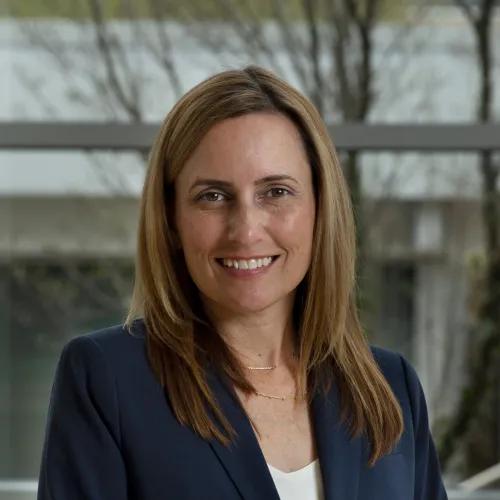
Lauren P Wallner, PhD, MPH
Professor
Stay Informed
Want top health & research news weekly? Sign up for Health Lab’s newsletters today!
Featured News & Stories

Comprehensive DNA sequencing reveals hidden drivers of cancer

Many older adults make Medicare decisions quickly and most don’t change plans, poll finds

What’s the latest on 7-OH and kratom availability and addiction care?

A metabolic “switch” that could help reset scar-producing cells in scleroderma

Depression in OBGYN residents needs more attention, study suggests