Patient with rare form of diabetes finds answers in genetic testing, clinical trials
Michael Powers struggled with hyperchylomicronemia, a rare genetic disorder, which resulted in type 2 diabetes
4:00 PM
Author |

Since his 20s, Michael Powers struggled with pancreatitis, which required regular trips to the emergency room.
He was also diagnosed with adult onset type 2 diabetes and had high triglyceride levels.
Powers would try to manage his health issues by staying hydrated and maintaining a healthy diet.
However, his triglyceride levels were sometimes 50 times higher than normal, and he had recurring issues with his pancreas.
“I was pretty frustrated because I was essentially on a zero fat diet,” Powers said. “It didn't matter what I ate, I still had health issues.”
Concerned by his declining health and repeated hospitalizations, his primary care physician referred him to the University of Michigan Health diabetes program in 2018.
Powers met with Elif Oral, M.D., Professor of Metabolism, Endocrinology and Diabetes and member of Caswell Diabetes Institute, who specializes in atypical forms of diabetes.
Diagnosing with genetic testing
Oral realized that Powers had an unusual distribution of fat across his body: most of it was in his torso while his arms and legs were thinner in comparison.
While these symptoms are common in patients with lipodystrophy, a rare condition where the body redistributes the fat tissue abnormally, Oral’s team discovered that Powers didn’t have the condition.
Through genetic testing, they found that Powers had a risk for hyperchylomicronemia, a rare condition that affects 1,000 to 3,000 people in the U.S.
The testing revealed that Powers carried a variant in the lipoprotein lipase gene.
LPL produces an enzyme essential for breaking down triglycerides in the bloodstream and allowing fatty acids to be taken up by tissues.
Although Powers had only one affected copy of the gene, he developed severe hypertriglyceridemia and recurrent pancreatitis.
When patients experience several episodes of pancreatitis, it can destroy their insulin producing cells and cause diabetes.
Powers was relieved when he learned about his results because it meant that his health disorder wasn’t because he didn’t exercise enough or eat properly.
“What is remarkable is that even a single pathogenic variant in the LPL gene can be associated with severe metabolic disease,” Oral said.
“We have also observed that some of these patients have an unusual pattern of body fat distribution resembling lipodystrophy. This suggests that abnormalities in how the body processes and stores fat may be more closely connected than we previously appreciated.”
Answers in clinical trials
After screening Powers for eligibility, Oral’s group realized that he could enroll in a clinical trial they were conducting with Ionis Pharmaceuticals, Inc. to develop treatments for patients with high triglyceride levels.
Even though it was a blinded study, which meant that there was a 50% chance Powers would receive the drug instead of a placebo, he agreed.
“I didn't have much to lose because, at the time, the longest I had stayed out of the hospital was three weeks,” Powers said.
“Even if it worked only for a little while because of a placebo effect, I would’ve welcomed the break.”
Fortunately, Powers received the drug, called Tryngolza, and the effects were immediately obvious.
His triglyceride levels normalized and he has not required hospitalization for three years.
He had minor side effects, which included mood changes.
“This is an example of how volunteering for trials, even though it can be risky, can also potentially be life-changing,” said Adam Neidert, M.S., Clinical Research Coordinator who helped run the trial.
“We are grateful for patients who want to participate in clinical research, so that other people don't have to go through what they did.”
Life back on track
In June 2026, the FDA approved Tryngolza, and Powers will be switching to the commercially available drug.
His care team also prescribed GLP-1 for his diabetes, which has helped control his condition.
Powers, now 53, feels like his life is finally back on track. He has the time to help his aging father, walk his dogs, woodwork and renovate his house.
He also enjoys traveling with his wife.
His experience has taught him the importance of asking questions when seeking medical treatment or participating in clinical trials.
“I think the biggest fear patients have with clinical trials is the unknown, so it is important to ask questions,” Powers said.
“Participating in the trial literally changed my life for the better.”

Health Lab
Explore thousands of health news & research stories by visiting the Health Lab homepage for more.
Media Contact

Public Relations
Department of Communication at Michigan Medicine
In This Story

Elif A Oral
Professor
Related

New insight into how lipodystrophy can affect overall health
A unique patient case inspiring research
Stay Informed
Want top health & research news weekly? Sign up for Health Lab’s newsletters today!
Featured News & Stories
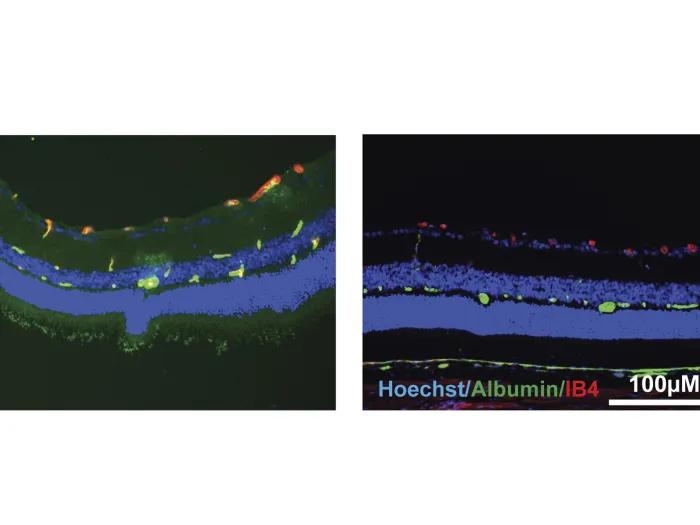
Treatment with norrin helped maintain healthy blood vessels, preserved vision in diabetic rats

Could a diabetes medication be the next wonder drug?

Online resources and coaching helped people seek genetic testing for cancer

Gene editing is coming for common diseases. Are we ready?

Is the United States Lagging Behind Europe in Memory Improvement?