Parents who frequently pick up phones due to device notifications may be more stressed
Parents in small study received an average of almost 300 mobile notifications per day
5:00 AM
Author |
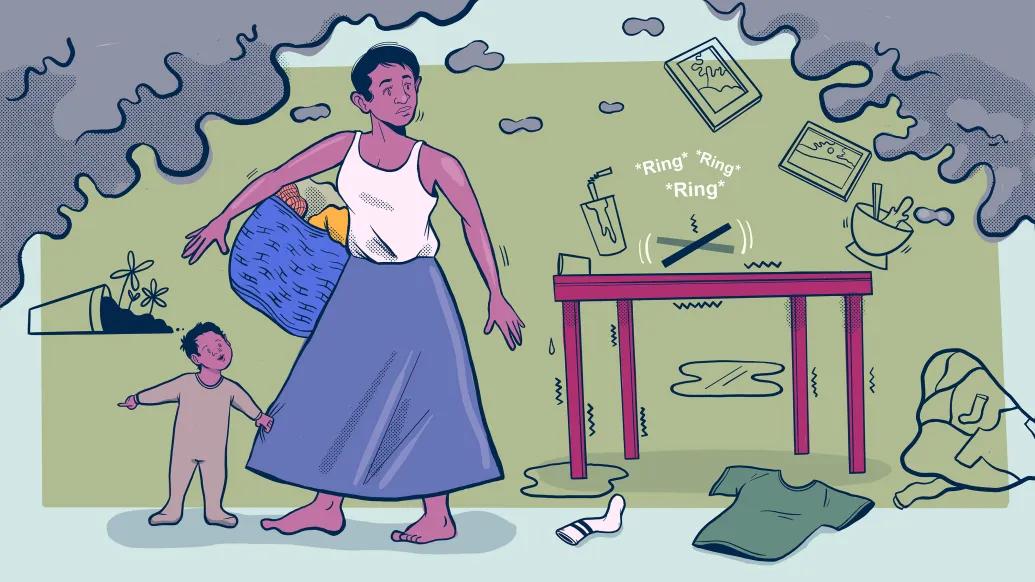
Busy parents may find many conveniences in phones and other mobile devices, but the daily digital notifications from these screens may also stress them out.
Parents received an average of almost 300 mobile notifications per day between 2020-2021, a small Michigan Medicine study suggests.
And when those buzzing pings – whether from work emails, messages or other apps – prompted parents to pick up their phones, they experienced greater daily parental stress.
“We know that parents of young kids are often multi-tasking. The disruptions from screens has added an additional layer to that challenge of trying to respond to multiple demands at the same time,” said lead author Tiffany Munzer, M.D., developmental behavioral pediatrician at University of Michigan Health C.S. Mott Children’s Hospital.
“Parents are often juggling parenting and home life with work and other responsibilities simultaneously. It makes sense that feeling pulled away by phones may bring additional stress.”
The study involved 62 parents of 62 children ages four to six and took place during the first two years of the COVID-19 pandemic.
Parents’ average age was 37 years old.
Mobile notifications were only associated with greater stress if they required parents to pick up their devices more frequently, Munzer says.
On average, parents picked up their phones 93 times.
Parents are often juggling parenting and home life with work and other responsibilities simultaneously. It makes sense that feeling pulled away by phones may bring additional stress.” Tiffany Munzer, M.D.
Munzer and colleagues found parents had a higher number of total notifications and phone pick-ups compared to previous studies.
This could have been due to greater media use during the pandemic, Munzer notes, and the need to potentially monitor devices for pandemic-related news.
Associated stress also appeared to be higher on weekdays, suggesting that the content of notifications may have also driven parent stress, says senior author Jenny Radesky, M.D., behavioral developmental pediatrician at Mott.
“This may have been especially true in the context of multi-tasking between work and at-home or online school demands during the COVID-19 pandemic,” she said.
“Still, these findings give us a glimpse into how distractions from phone demands may affect day to day parental stress.”
Additional authors: Alison Miller, Heidi Weeks and Niko Kaciroti, all of U-M.
Study cited: “Greater mobile device-prompted phone pickups are associated with daily parent stress,” Acta Paediatrica.
Funding: This work was funded by National Institutes of Health grants K23HD092626 and K23HD105988.
Disclosures: Radesky is a paid consultant for Melissa and Doug Toys and receives research grant funding from Common Sense Media. Munzer is a paid consultant for PBS Kids
Sign up for Health Lab newsletters today. Get medical tips from top experts and learn about new scientific discoveries every week by subscribing to Health Lab’s two newsletters, Health & Wellness and Research & Innovation.
Sign up for the Health Lab Podcast: Add us on Spotify, Apple Podcasts or wherever you get you listen to your favorite shows.

Health Lab
Explore thousands of health news & research stories by visiting the Health Lab homepage for more.
Media Contact

Public Relations
Department of Communication at Michigan Medicine
Stay Informed
Want top health & research news weekly? Sign up for Health Lab’s newsletters today!
Featured News & Stories
E-Bikes are everywhere, but most parents say they don’t know enough about them

Talent show brings joy to kids at children’s hospital

C.S. Mott Children’s Hospital first in country to implant expandable heart valve during FDA review phase

Many parents face challenges getting kids to eat a healthy breakfast before school
5 ways to prepare your child for kindergarten