Pain After Surgery: Addressing Emotional Trauma During Recovery
Physicians look for the safest, quickest and least invasive way to perform procedures, but does the recent opioid epidemic indicate that health care providers may be missing a crucial piece of the pain management puzzle?
7:36 AM
Author |
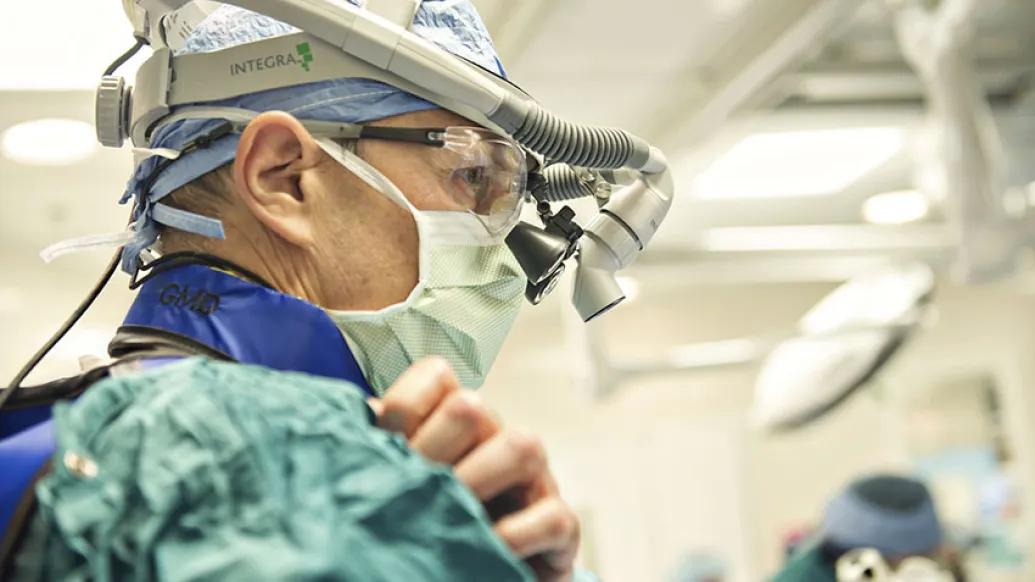
With the advancement of technology and medicine, G. Michael Deeb, M.D., a cardiac surgeon at Michigan Medicine, says society is used to, and expects, instant solutions to their pain after medical procedures. This has resulted in an increased demand for narcotics, as well as their over usage.
LISTEN UP: Add the new Michigan Medicine News Break to your Alexa-enabled device, or subscribe to our daily updates on iTunes, Google Play and Stitcher.
As consequences of the opioid epidemic come to light, the pressure is on health care providers to respond accordingly with standardized prescribing methods. Prescribing medication seemingly reduces pain issues, so it is easy to opt for a pill. But what are the implications?
'There's no magic pill'
Residual pain is common for months following a major surgical procedure. Although pain should subside over time, it is important that providers educate their patients about the type and amount of pain they should expect during their recovery as well as discuss a regiment for pain medication that will maximize relief, but minimize side effects and the risk of addiction.
"There's no magic pill," Deeb says. "Opioids don't actually take pain away; they just mask it. As soon as the effects of the medication wears off, the patient will want additional medication and this can be a great health hazard."
Even over-the-counter medications can pose physiological issues. Excessive use of acetaminophen and ibuprofen over time can negatively impact kidney and liver functions.
"Nothing is benign," Deeb says. "Finding a balance of prescriptive and non-prescriptive measures to combat pain can help set a patient up for post procedural success."
The provider/patient partnership
It is the provider's role to prepare a patient for their procedure and provide them with necessary follow-up care, which includes the knowledge and resources for managing pain. It is then the patient and family's job to actively be part of the health care team's decision-making process.
When a comprehensive discussion is provided on the expectations of post-surgical pain, Deeb says the patient is more prepared to manage the situation. However, each patient is different and may have varying physical or mental pain management needs.
People have empathy for children when they are dealing with pain from surgery … where's that same empathy for adults? They hurt, too.G. Michael Deeb, M.D.
Often times, patients associate pain they feel after surgery with something being wrong. "Pain is normal. Don't rush your recovery," says Deeb. That pain might just be part of the recovery process. "If you're performing a regular activity and it causes pain, it may not necessarily be because you did something wrong."
He suggests asking the provider some essential questions before any major procedure:
-
What will the physical and mental impact from the surgical procedure be?
-
How will the surgical trauma affect my functional recovery?
-
What is the expected recovery time?
-
What are the types of activities that I can expect to perform over the next few months?
-
What is the normal and expected pain pattern like after the procedure?
-
How will I know if my pain is normal, and if it's not, who should I contact to inform?
-
How can taking medications help or hurt me?
-
Can you prescribe a pain management program that maximizes pain relief, but minimizes my usage of prescription pain medication?
Significant physical pain after surgery is commonly accompanied by mental and emotional distress, which often gets overlooked. Deeb says health care providers, across disciplines, need to work together to recognize signs of anxiety and pain in their patients after surgery and provide them with methods for dealing with their issues, which in turn could minimize unintentional consequences, such as drug dependency.
MORE FROM MICHIGAN: Sign up for our weekly newsletter
"We're proceduralists," Deeb says. "We look for the safest, quickest, least invasive way to do a procedure. But the experience can still be traumatic for the patient."
Changing pain-management
Deeb and his colleagues are in the process of studying the sequence of surgical planning events that span from a patient's initial meeting to 90 days after their recovery. Their study will research three different perspectives: clinical outcomes, the patient experience and the amount of opioids being used.
The study will include a comfort coach and certified child life specialists who will meet with patients and families to discuss the expectations of the procedure and provide alternative therapy based on the patient's interests, such as mindfulness techniques, music or art, in addition to any pain medication they're prescribed.
"People have empathy for children when they're dealing with pain from surgery and supply them with trained child life specialists to help augment coping with that pain and anxiety," Deeb says. "However, when they become adults, they're told to suck it up if they're hurting, or they're given narcotics."
Deebs adds: "Where's that same empathy for adults? They hurt, too. They need our help without subjecting them to the risks of over usage from prescribed pain medications."
Deeb's study, with co-PIs Julie Piazza, M.S., CCLS, and Alex Brescia, M.D., M.Sc., is funded by the Blue Cross Blue Shield of Michigan Foundation, along with the Department of Cardiac Surgery.

Health Lab
Explore thousands of health news & research stories by visiting the Health Lab homepage for more.
Media Contact

Public Relations
Department of Communication at Michigan Medicine
Stay Informed
Want top health & research news weekly? Sign up for Health Lab’s newsletters today!
Featured News & Stories

Top 7 tips for choosing Medicare prescription drug coverage for 2027

Many older adults make Medicare decisions quickly and most don’t change plans, poll finds
What’s the latest on 7-OH and kratom availability and addiction care?
Better prenatal care data could help prevent maternal complications, experts say
Many hospitals still don’t do enough to prevent UTIs from catheters