Organoid model predicts bladder cancer treatment response
Tumor-based model provides precision medicine algorithm to help guide treatment decisions
12:34 PM
Author |
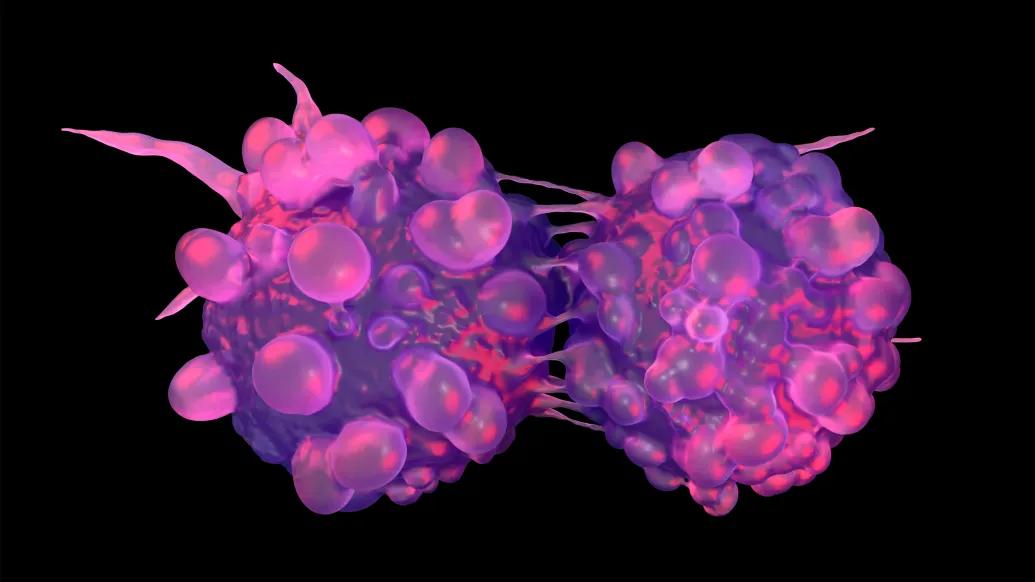
Researchers from the University of Michigan Health Rogel Cancer Center developed a model to help predict treatment response in patients with bladder cancer.
“We need better models to predict patient response to therapy in muscle invasive bladder cancer to avoid progression during ineffective therapy that compromises survival,” said Nathan Merrill, Ph.D., a research investigator at Rogel and first author of the paper, published in European Urology.
Researchers obtained tumor samples from 97 bladder cancer patients and created short-term three-dimensional organoid models.
They screened 65 organoids against a panel of clinically relevant drugs.
These short term organoid models faithfully represented the tumor’s molecular characteristics while avoiding some of the shifts in subtyping that emerge with long term organoid cultures.
With the short term organoids, the researchers assessed drug response and developed a multi-omic response signature for gemcitabine.
While further validation is needed, the researchers hope this model can be used to help guide treatment decisions for patients with bladder cancer by predicting an individual tumor’s likely response to specific drugs.
“This work took five years to come to fruition because we wanted to refine a personalized oncology platform to bring rigorous drug sensitivity in real time to patients with muscle invasive bladder cancer,” said Sofia D. Merajver, M.D., Ph.D., GreaterGood Breast Cancer Research Professor at the Rogel Cancer Center and co-senior author of the paper.
“This work is generalizable to any other aggressive malignancy. Having a molecular signature to predict response to a drug – gemcitabine being a paradigm – in the neoadjuvant setting stands to potentially benefit thousands of patients,” said co-senior author Aaron Udager, M.D. Ph.D., associate professor of pathology and Rogel Cancer Center member.
Additional authors: Samuel D. Kaffenberger, Liwei Bao, Nathalie Vandecan, Laura Goo, Athena Apfel, Xu Cheng, Zhaoping Qin, Chia-Jen Liu, Armand Bankhead, Yin Wang, Varun Kathawate, Lila Tudrick, Habib A. Serhan, Zackariah Farah, Chad Ellimoottil, Kaled S. Hafez, Lindsey A. Herrel, Jeffrey S. Montgomery, Todd M. Morgan, Simpa S. Salami, Alon Z. Weizer, Peter J. Ulintz, Mark L. Day, Matthew B. Soellner, Phillip L. Palmbos
Funding: National Institutes of Health grants R21 CA259763, K08 CA237638, R01 CA240991, R37 CA273138; Department of Defense grants W81XWH-19-1-0407, W81XWH-21-1-0238, W81XWH-21-1-0663, Prostate Cancer Foundation, Breast Cancer Research Foundation and GreaterGood.
Paper cited: “Integrative Drug Screening and Multiomic Characterization of Patient-derived Bladder Cancer Organoids Reveal Novel Molecular Correlates of Gemcitabine Response,” European Urology. DOI: 10.1016/j.eururo.2024.05.026
Sign up for Health Lab newsletters today. Get medical tips from top experts and learn about new scientific discoveries every week.
Sign up for the Health Lab Podcast. Add us wherever you listen to your favorite shows.

Health Lab
Explore thousands of health news & research stories by visiting the Health Lab homepage for more.
Media Contact

Public Relations
Department of Communication at Michigan Medicine
In This Story

Sofia D Merajver
Professor
Stay Informed
Want top health & research news weekly? Sign up for Health Lab’s newsletters today!
Featured News & Stories

Online resources and coaching helped people seek genetic testing for cancer

The AI is listening: Implications of machine generated clinical notes on health care
Comprehensive DNA sequencing reveals hidden drivers of cancer

Many older adults make Medicare decisions quickly and most don’t change plans, poll finds
‘Molecular glue’ stabilizes protein that inhibits development of non-small cell lung cancer and uterine cancer