Novel predictive model aims to spot pelvic floor injuries years before symptoms appear
Researchers hope early risk detection of childbirth-related injuries can improve outcomes for women
5:00 AM
Author |
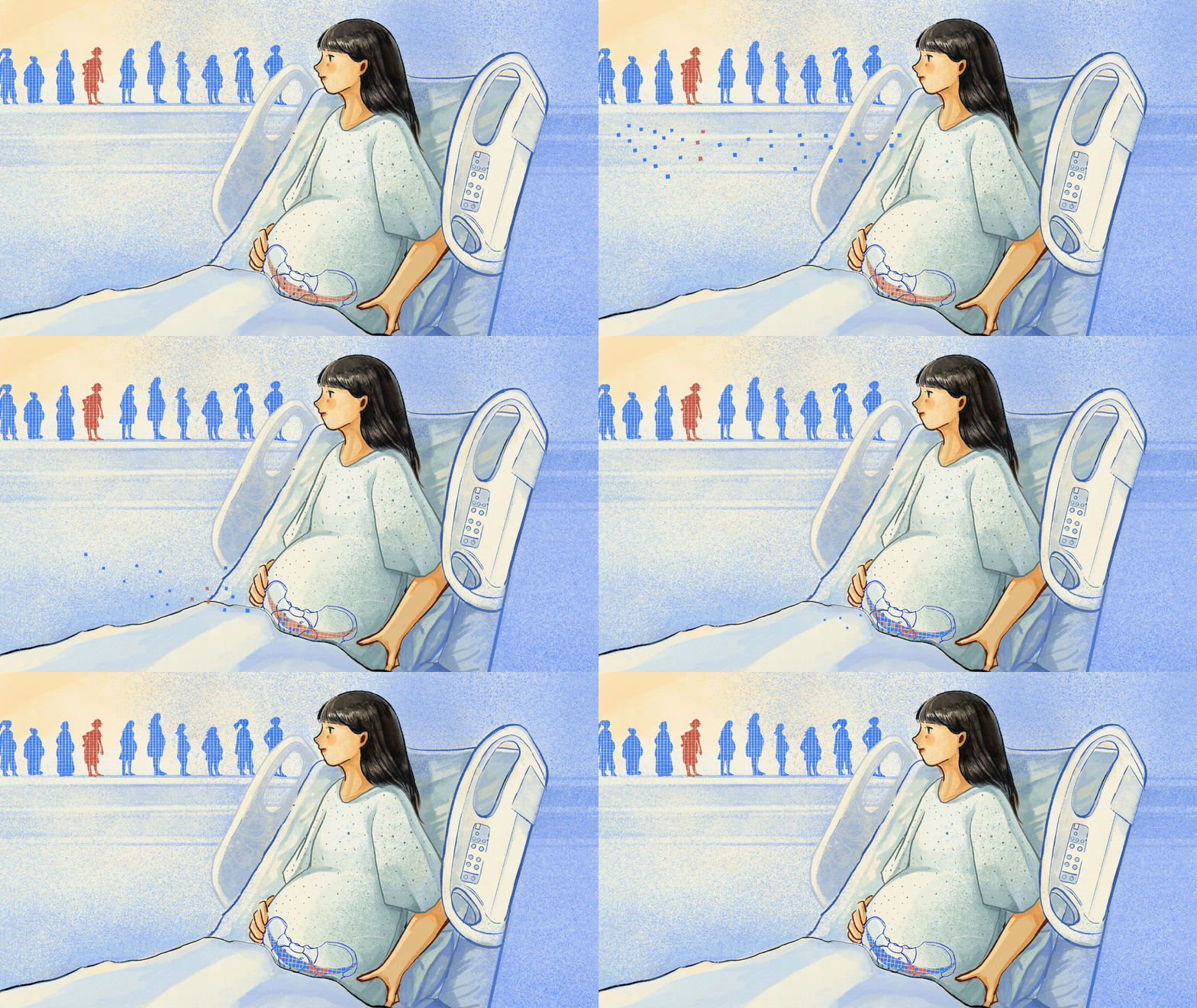
While most women give birth vaginally without complications, nearly one in 10 experience injuries that lead to pelvic floor disorders serious enough to require surgery.
A major challenge in treating these injuries is that symptoms often don’t appear until years after childbirth, making early detection and intervention difficult.
Now, Michigan Medicine researchers have developed a new model that may help predict which women are at risk for abnormal pelvic floor recovery – years before symptoms even begin.
“Patients who show symptoms soon after childbirth are easy to identify and refer for treatment. However, many remain asymptomatic only to develop significant symptoms later in life,” said lead author Pamela Fairchild, M.D., a urogynecologist at University of Michigan Health Von Voigtlander Women’s Hospital.
“By the time many women start experiencing symptoms from childbirth injuries, such as incontinence or pelvic pressure, the damage has already been done and treatment options are limited. This model could help us flag women at higher risk before those symptoms develop.”
Vaginal childbirth has particularly been linked with risks for prolapse of the pelvic organs, when the muscles and tissues supporting the uterus, bladder, or rectum fail, causing discomfort and incontinence.
Fairchild and colleagues used the new model to determine key risk factors for childbirth injury, including larger infant head size, prolonged pushing during labor, decreased pelvic floor strength, and an enlarged vaginal opening at six weeks postpartum.
These indicators may help clinicians identify patients who are unlikely to follow a typical recovery pattern after childbirth and improve screening tools to protect long term pelvic floor health, according to the findings in Urogynecology.
Identifying high risk groups
Researchers examined pelvic floor anatomy and function in more than 80 women giving birth for the first time who were considered at higher risk for pelvic floor injuries.
The women had physical exams and ultrasound imaging, and they filled out questionnaires at six weeks and six months after giving birth.
To track recovery, researchers looked at three key indicators, including signs of muscle injury in the pelvic floor (specifically the levator ani muscle), weak pelvic floor strength and signs of early pelvic organ prolapse.
If a woman had at least one of these signs, her recovery was classified as “abnormal.”
Six months after birth, about one in three women in the study showed signs of abnormal recovery.
Compared to those who recovered normally, women with abnormal recovery already showed concerning signs at their six-week postpartum check-up, Fairchild says.
“Interestingly, differences in questionnaire responses between the groups weren't very noticeable, suggesting that women may not feel symptoms even when underlying injury is present,” she said.
The researchers then used this data to create a model to predict who is most likely to have an abnormal recovery. This prediction model performed well, Fairchild says, showing a good ability to identify women at risk before symptoms appear.
Improving future outcomes
The next step, authors say, is to validate these findings in future studies and apply the screening tool to identify patients who may benefit from presymptomatic post birth intervention for pelvic floor health.
"This model is a step toward preventing pelvic floor problems before symptoms start,” said senior author Dee Fenner, M.D., chair of the Department of Obstetrics and Gynecology at Michigan Medicine.
“Our goal is to provide a simple screening tool for clinicians that will guide early care and make better use of limited resources like pelvic floor therapy.”
Additional authors: Additional authors include Lisa Kane Low, Ph.D., C.N.M.; Mary Duarte Thibault, M.D.; Katherine Kowalk, B.S. and Giselle Kolenic, M.A.
Paper cited: “A prediction model for pelvic floor recovery after vaginal birth with risk factors,” Urogynecology. DOI: 10.1097/SPV.0000000000001556
Sign up for Health Lab newsletters today. Get medical tips from top experts and learn about new scientific discoveries every week.
Sign up for the Health Lab Podcast. Add us wherever you listen to your favorite shows.

Health Lab
Explore thousands of health news & research stories by visiting the Health Lab homepage for more.
Media Contact

Public Relations
Department of Communication at Michigan Medicine
In This Story

Pamela S Fairchild, MD
Clinical Associate Professor
Stay Informed
Want top health & research news weekly? Sign up for Health Lab’s newsletters today!
Featured News & Stories

What to know about perimenopause and menopause

Medical student’s invention aims to help infants with jaundice

A heart attack 9 days after giving birth: Mother of 4 shares her SCAD experience
Study suggests fibroid rates in Latina women may be lower than previously thought

How donor eggs helped one couple build the family they always hoped for