New dual-target drug may help overcome immunotherapy resistance in pancreatic cancer
The drug, SH-273, led to long-term tumor reduction in mouse models
5:00 AM
Author |
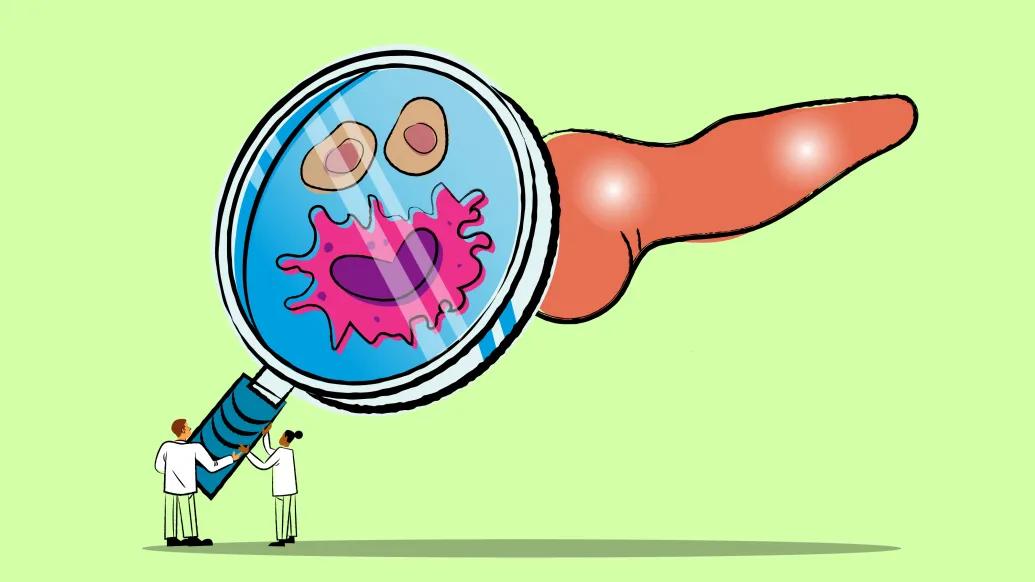
Pancreatic ductal adenocarcinoma is one of the deadliest cancer types, with a five-year survival rate of 13%.
There are only two treatment regimens available with limited efficacy.
Pancreatic cancers do not respond to immunotherapy where the body’s immune system attacks tumor cells.
The effectiveness of these treatments is limited due to immunotherapy resistance.
During this process, myeloid and regulatory B cells of the immune system suppress other immune mechanisms from attacking pancreatic tumors.
A team of researchers from the College of Pharmacy and Rogel Cancer Center at the University of Michigan has developed a new strategy to improve immunotherapy treatments.
Immune resistance in pancreatic cancer is complicated because there are multiple resistance pathways. We wanted to develop a drug molecule that could adaptively stimulate the helpful pathways while inhibiting the harmful ones.”
-Duxin Sun, Professor of Pharmaceutical Sciences
“Immune resistance in pancreatic cancer is complicated because there are multiple resistance pathways,” said Duxin Sun, U-M Professor of Pharmaceutical Sciences.
“We wanted to develop a drug molecule that could adaptively stimulate the helpful pathways while inhibiting the harmful ones.”
Previously, researchers had identified compounds that boost the effectiveness of immunotherapy agents called STING agonists.
STING, or STimulator of Interferon Genes, activates specific parts of the immune system, helping the body fight tumors.
Although STING agonists were able to overcome immunotherapy resistance driven by myeloid cells, they also induced resistance by increasing the number of regulatory B cells.
In the new study, the team found that STING agonists activate myeloid cells independent of the enzyme PI3Kγ but increase the number of regulatory B cells through PI3Kγ.
The researchers showed that in mouse models and human cells derived from patients with pancreatic cancer, using STING agonists and inhibiting PI3Kγ can improve immunotherapy pathways.
Based on this discovery, they developed a dual-targeting compound, SH-273, to simultaneously activate STING and inhibit PI3Kγ.
The drug increased the survival of pancreatic cancer mouse models to 201 days, while most therapeutics do not show any efficacy in these mice that bear the same mutations as human pancreatic cancers.
It also decreased tumor metastasis and invasion in the lungs and was not toxic to the animals.
“It is significant that a treatment has improved survival for such a long time in mice with pancreatic tumors,” Sun said.
“Our findings point to a new therapeutic concept for pancreatic cancer—keeping the immune system’s ‘go’ signals on, while shutting down the B cell brake that fuels resistance.”
The team hopes to advance SH-273 in phase 1 trials and will continue to investigate additional immune mechanisms that can be harnessed to overcome immunotherapy resistance.
Additional authors: Chengyi Li, Fang Ke, Hongyi Zhao, Shuai Mao, Mahamadou Djibo, Linqi Huang, Miao He, Meilin Wang, Hanning Wen, Zhongwei Liu, Zhixin Yu, Zhihong Qi, Ana R. Xavier, Minal Nenwani, Bo Wen, Nicole Peterson, Vaibhav Sahai, Deepak Nagrath, Carrie L. Lucas, Matthias P. Wymann, Wei Gao and Lawrence Fong.
Funding/disclosures: This study is partially supported by the Michigan Translational Research and Commercialization grant and internal funding from University of Michigan.
Tech transfer(s)/Conflict(s) of interest: The University of Michigan has submitted a patent application, in which Duxin Sun, Chengyi Li, Wei Gao, Bo Wen, Meilin Wang, Miao He, Hongyi Zhao, Shuai Mao, Mahamadou Djibo, Zhongwei Liu, Hanning Wen and Fang Ke are listed as inventors.
Michigan Research Core(s): Pharmacokinetics and Mass Spectrometry Core, Flow Cytometry Core, Microscopy Core and Advanced Genomics Core.
Paper cited: “Dual Targeting of PI3Kγ and STING Overcomes Regulatory B Cell- and Myeloid Cell-Driven Immune Suppression in Pancreatic Cancer,” Nature Cancer. DOI: 10.1038/s43018-026-01158-7
Sign up for Health Lab newsletters today. Get medical tips from top experts and learn about new scientific discoveries every week
Sign up for the Health Lab Podcast. Add us wherever you listen to your favorite shows

Health Lab
Explore thousands of health news & research stories by visiting the Health Lab homepage for more.
Related
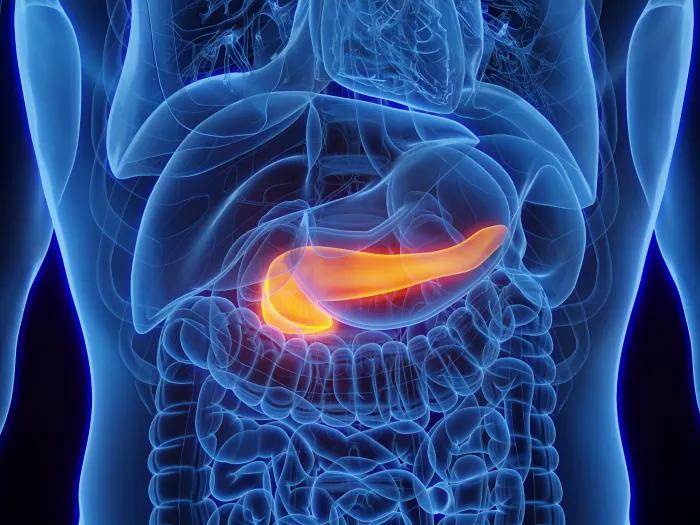
Drug targets identified for pancreatic cancer
Study finds cancer cells use a new fuel in absence of sugar
Stay Informed
Want top health & research news weekly? Sign up for Health Lab’s newsletters today!
Featured News & Stories
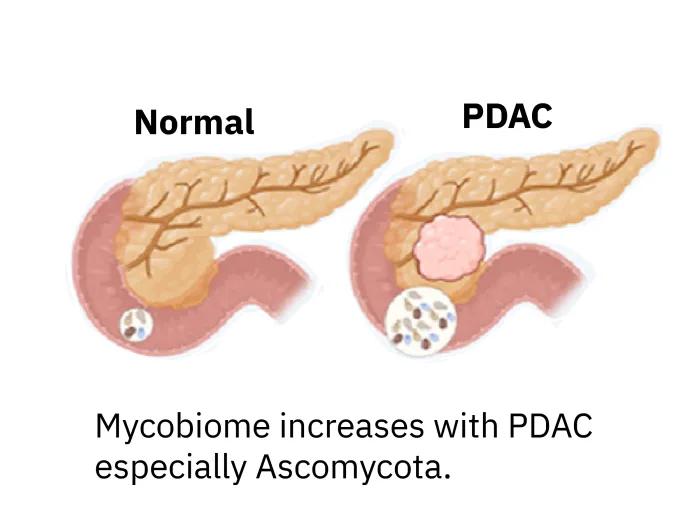
Gut microbiome may influence how patients with pancreatic cancer respond to treatment

Emergency room intervention pairs smartphone, telehealth counseling to reduce risky firearm behavior

Exceptional response to immunotherapy gives patient with liver cancer more milestones to celebrate

Better prenatal care data could help prevent maternal complications, experts say

Pain, psychological factors and physical function closely linked in people with systemic sclerosis