New clinical trials for pediatric brain tumors
Phase 1 trial will use modified viruses to activate the immune system, killing tumor cells
5:00 AM
Author |
Brain and spinal cord tumors account for one in four childhood cancers.
More than 5,000 tumors are diagnosed in children and adolescents each year in the United States.
Although 75% of children survive for at least five years after being diagnosed, many patients have recurrent tumors that cannot be cured.
Andrea Franson, M.D., clinical associate professor of pediatrics at the University of Michigan and a member of Rogel Cancer Center, discusses current therapies for pediatric brain tumors, how viruses can be used to target tumor cells and the new phase 1 trial that started in May 2025.
What are the therapeutic approaches for pediatric brain tumors?
Franson: There are different options available: surgery, radiation and specific anti-tumor drugs if someone has a known genetic target for their tumor.
However, in many patients, the tumors come back after initial rounds of therapy.
In high grade gliomas, for example, cancer cells are not sensitive to traditional chemotherapy approaches.
The tumors can also be infiltrative and have projections into the surrounding tissues, which can be difficult to remove during surgery.
The residual cancer cells grow aggressively over time, and we are looking to target these types of recurrent tumors.
How does viral vector therapy work?
Franson: The brain is an immune-privileged area, meaning it is protected from certain parts of the immune system.
This protection is an obstacle when you’re trying to fight tumors.
To deal with this challenge, we want to inject inactivated viruses into the surrounding tissues after a tumor has been surgically removed.
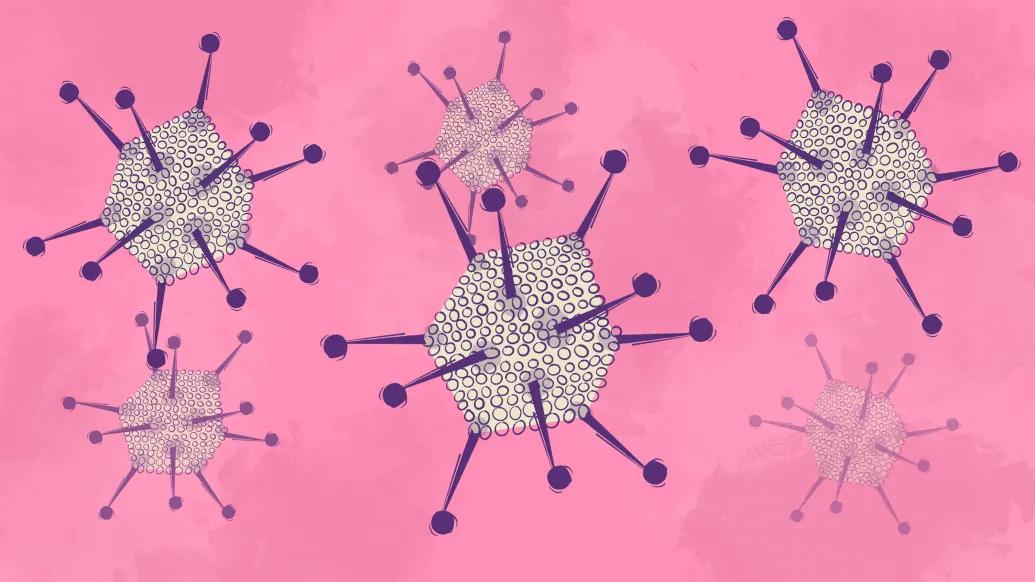
We will use inactivated versions of adenoviruses, which are a common type of respiratory virus.
These viruses have been modified to deliver genetic material that causes tumor cell death when exposed to an oral anti-herpes medication called valacyclovir.
When this drug is present, the viruses will stimulate the immune system to recognize tumor cells as invaders.
Has this therapy been used for other diseases?
Franson: These inactivated viruses have been specifically used for brain tumors.
It's based on a previous phase 1 study that was conducted by Michigan researchers Maria Castro and Pedro Lowenstein.
They treated 18 adult patients with glioblastoma, and the viral vectors were found to be safe in all of them.
We also know from rat and mouse models that both these viruses work well against aggressive brain tumors.
Our phase 1 trial is the first time viral vector therapy will be used in pediatric patients.
What are you hoping to accomplish with the phase 1 trials?
Franson: This trial is open for patients from ages 3 to 39.
Our primary goal is to establish a viral dose that is safe and then move the studies to phase 2.
We will be analyzing samples of tumor cells, blood and spinal fluid in these patients.
Hopefully, some of them will respond well to the treatment and we will be able to understand what is driving that response.
What challenges are you anticipating?
Franson: We don't know much about the immune microenvironment in many pediatric tumors.
For example, is the immune system more robust in children? Or, instead, does it require more external stimulation to recognize the tumor cells?
These questions make it difficult to predict whether the treatment will be effective.
Even so, doctors and researchers are hopeful that using the immune system to target tumors will be a way forward.
Hopefully, our trial will provide safety data that can be used to develop effective treatment strategies going forward.
Find out more about the clinical trials or call the Cancer AnswerLine at 800-865-1125.
Sign up for Health Lab newsletters today. Get medical tips from top experts and learn about new scientific discoveries every week.
Sign up for the Health Lab Podcast. Add us wherever you listen to your favorite shows.

Health Lab
Explore thousands of health news & research stories by visiting the Health Lab homepage for more.
Media Contact

Public Relations
Department of Communication at Michigan Medicine
In This Story
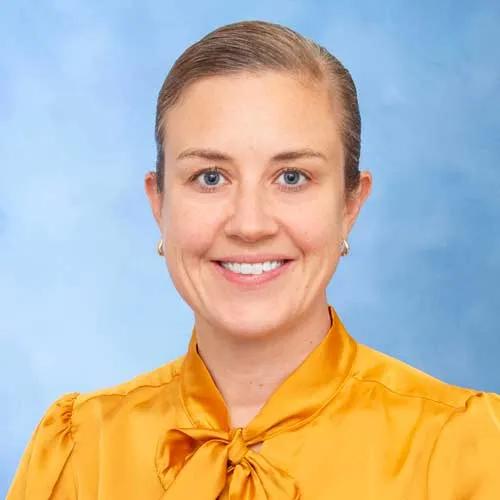
Andrea (Flynn) Franson, MD, MS
Clinical Associate Professor
Related
Path forward for glioblastoma treatment
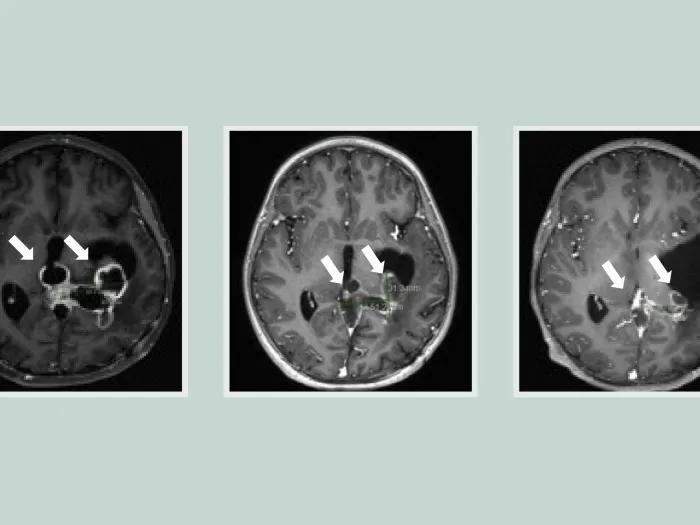
Study finds improved survival for incurable brain tumor, providing ‘a crack in the armor’
Stay Informed
Want top health & research news weekly? Sign up for Health Lab’s newsletters today!
Featured News & Stories
Pain, psychological factors and physical function closely linked in people with systemic sclerosis
Many hospitals still don’t do enough to prevent UTIs from catheters
Rural-urban disparities in head and neck cancer
Study outlines a new framework for direct cell reprogramming

New insight into how lipodystrophy can affect overall health