More teens are using AI: What parents should know
As more teenagers turn to tools like ChatGPT for schoolwork, a pediatrician shares what to watch for—and how kids can use AI wisely
2:29 PM
Author |
This story was updated on August 20, 2026.
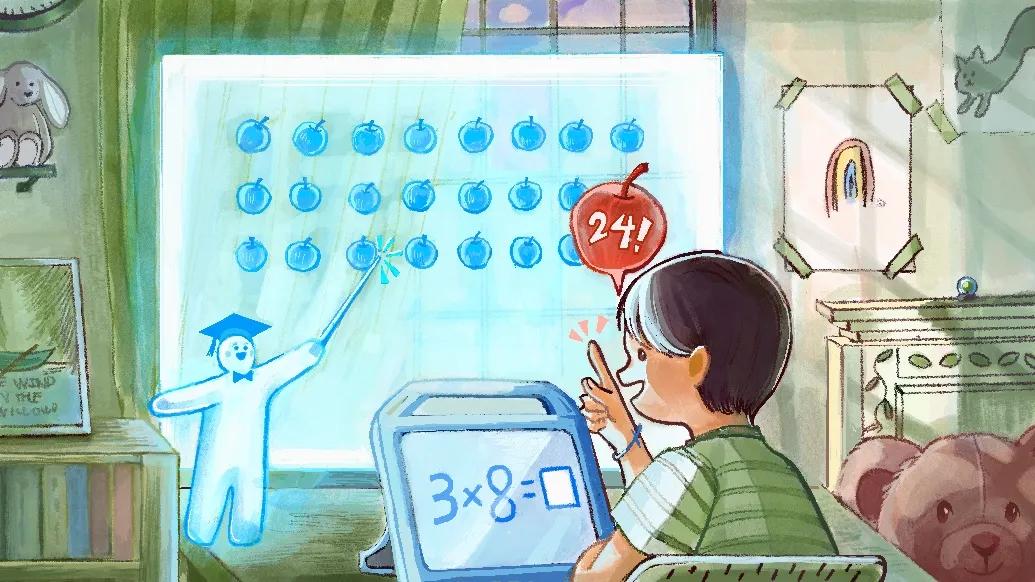
As artificial intelligence tools become more accessible, more teens are turning to them for academic help—and parents should be paying attention, experts say.
According to a recent Pew Research Center survey, about one in four teens has used ChatGPT for schoolwork—double the number who reported doing so in 2023 – and the number continues to rise.
“AI is still new to many parents who didn’t grow up with this technology,” said Jenny Radesky, M.D. a developmental-behavioral pediatrician and expert in child digital media use at University of Michigan Health C.S. Mott Children’s Hospital. "It can be hard to tell when kids are using it productively and when they’re relying on it too much.”
“AI is moving really fast and is often designed in ways that don’t anticipate kids’ unique needs. Some teens are becoming dependent on AI chatbots to answer all their uncertainties. Therefore, our job as parents is help kids use AI responsibly in ways that support their growth and learning, not do the work for them.”
Often, she adds, they’re using these tools earlier than parents might expect.
Radesky shares tips to help families guide teens toward informed use of AI.
How to help teens use AI wisely
Reframe AI as a learning tool, not a shortcut
AI may occasionally be a helpful tool when used for exploratory purposes, such as to spark ideas, check work, or explore a topic — similar to how students use Internet search engines for research, Radesky says.
But problems can arise when teens lean on it too heavily.
If they’re using it all the time or simply cutting and pasting responses, it may be time to intervene.
“While these tools can be beneficial in productivity, the downside is that students may cut corners and take shortcuts that prevent them from deeper thinking. They can over-rely on AI to generate a ‘perfect’ response, when in truth, we learn from our mistakes,” Radesky said.
“For kids who just want to rush through homework so they can get it done, it’s going to be really tempting to just plug it into an AI tool to get the answers.”
She urges parents to watch for signs that their teen may not understand the material, especially if they’re simply repeating what AI says.
“Part of doing homework is learning how to learn,” she said. “Kids might turn to AI out of pressure to find the perfect answer even when there isn’t one. Parents should normalize effort and progress over getting it ‘right.’”
If a teen seems overly dependent on AI, Radesky suggests limiting access and offering alternative supports like tutoring, peer study groups, or structured learning tools.
Teach teens to be critical thinkers about AI
Understanding how AI works is key, Radesky says.
Parents should talk with kids about the limitations of these tools, especially that the content AI generates may not always be accurate, unbiased, or original.
Some recent reports suggest that it can generate harmful advice.
“We want our kids to be AI-literate,” Radesky said.
“AI doesn’t think. It identifies patterns in existing data and predicts what comes next. That means it can make mistakes or repeat misinformation. If it’s engineered to keep us engaged, coming back again and again, it might say inappropriate things or generate co-dependence.”
It’s also important to consider the ethics of using AI-generated content, especially if it involves copyrighted work or replicates someone else’s ideas.
Encourage teens to cross-check information from AI with credible sources—and to question what they read.
“Teach kids to be skeptical with online content,” Radesky said.
“They are surrounded by rapidly evolving digital information — from AI to social media—and critical thinking is more important than ever."
Know your school’s AI policies
With AI becoming more common in classrooms, schools are beginning to set policies around its use.
But those policies can vary widely, and families should stay informed, Radesky suggests.
“This is really new territory for schools and many administrators and teachers are just starting to think about what AI polices they want to have and how to enforce them,” Radesky said. “In some cases, there may be academic consequences for using AI tools inappropriately.”
For example, copying AI-generated responses could be considered plagiarism.
“Teens need to understand the difference between using AI to brainstorm versus using it to do the work for them, which can be considered cheating,” she said.
Check in with your child’s teachers or school administrators to understand how AI use is being addressed and what’s acceptable.
If you don’t want your child using AI to help with studying or homework, look into blocking it from your child’s school device.
From chatbots to companions: Know if AI is in your teen’s social circle
AI isn’t just about homework.
A growing number of AI tools are designed to engage teens socially, sometimes in ways that can be problematic.
“There are now AI chatbots and virtual companions that aim to build relationships with users,” Radesky said.
“For some kids and adults, especially those feeling isolated, that can become unhealthy and complicated really fast.”
She warns that some of these interactions can lead to exposure to inappropriate or sexualized content or even foster an unhealthy emotional dependence on an AI “friend.”
“Parents should ask what apps their kids are using and how they’re spending time on them,” she said.
“Have download controls on kids’ devices, so they can’t set up chatbot accounts. Encourage offline social connections and make sure AI isn’t replacing real-world relationships.”
Beware of your teen turning to AI for emotional health needs
Experts have also raised concerns about the risks of teens going to AI for mental health support and advice.
Researchers at the Center for Countering Digital Hate recently ran tests finding that ChatGPT generated content related to self-harm, suicide planning, disordered eating, and substance abuse.
The AI provided detailed responses, including how to "safely" self-injure, recommended pills for overdosing, guides for concealing drug and alcohol use at school, and even drafted suicide notes for family members.
“The fact that teens can access this kind of dangerous advice so easily is deeply troubling,” Radesky said.
“It’s a wake up call for parents to stay vigilant about how their children are using these AI tools.”
Regular check-ins are essential, she says.
“AI can be a slippery slope,” Radesky said.
“Some teens might find it easier to connect with a chatbot about sensitive topics than with people. That’s why open, nonjudgmental conversations are key. Keep asking questions about what they’re experiencing and how they feel about it.”
Sign up for Health Lab newsletters today. Get medical tips from top experts and learn about new scientific discoveries every week.
Sign up for the Health Lab Podcast. Add us wherever you listen to your favorite shows.

Health Lab
Explore thousands of health news & research stories by visiting the Health Lab homepage for more.
Media Contact

Public Relations
Department of Communication at Michigan Medicine
In This Story

Jenny Radesky, MD
Associate Professor
Stay Informed
Want top health & research news weekly? Sign up for Health Lab’s newsletters today!
Featured News & Stories

Many older adults make Medicare decisions quickly and most don’t change plans, poll finds

What’s the latest on 7-OH and kratom availability and addiction care?

Depression in OBGYN residents needs more attention, study suggests

Better prenatal care data could help prevent maternal complications, experts say
Pain, psychological factors and physical function closely linked in people with systemic sclerosis