Misfolded proteins accumulate in the mitochondria of patients with type 2 diabetes
Restoring protein folding mechanisms could be a potential therapeutic target
11:51 AM
Author |

Aging-related diseases, including cancer, cardiovascular disorders and type 2 diabetes, are associated with defects in protein synthesis and folding.
Previous studies have shown that protein misfolding occurs in insulin-producing β-cells of patients with type 2 diabetes. These cells are found in pancreatic islets.
The resulting stress was believed to mainly occur within the endoplasmic reticulum, which is responsible for producing and distributing proteins to the cell.
Ultimately, the stress results in cell death.
In a study published in Nature Metabolism, researchers at the University of Michigan found that mitochondria also accumulate misfolded proteins, which kills β-cells.
Reversing this process could help treat type 2 diabetes.
Previously, scientists had observed that two proteins—insulin and amylin—were frequently misfolded in patients with type 2 diabetes.
Both are produced by the β-cells in the pancreas.
Amylin promotes the feeling of fullness after a meal, while insulin helps lower blood glucose levels by helping cells bring in sugar.
Amylin can form amyloid aggregates in diabetic β-cells that are similar to the amyloid plaques found in the brain in Alzheimer’s disease.
“These two proteins were the sole focus in diabetic islet cells,” said Scott Soleimanpour, M.D., Larry Soderquist Professor of Diabetes Research and director of the Michigan Diabetes Research Center.
“We wanted to take an unbiased approach and find all the misfolded proteins in these cells.”
The team compared islet cells from donors with type 2 diabetes to healthy donor cells and found that misfolded proteins build up in the mitochondria at higher levels than elsewhere in the islet cells.
The group had previously discovered that mitochondrial damage affects β-cells, but the underlying mechanisms were unclear.
Although LONP1 has some associations with rare mitochondrial diseases, this is the first study to show that it has a role in type 2 diabetes."
-Scott Soleimanpour, M.D.
By sequencing the genes and proteins in healthy and diabetic β-cells, the researchers found that the defense systems that respond to misfolded mitochondrial proteins do not turn on during type 2 diabetes.
Specifically, LONP1, a protein responsible for getting rid of damaged or misfolded proteins, was lower in cells from donors with diabetes.
“Although LONP1 has some associations with rare mitochondrial diseases, this is the first study to show that it has a role in type 2 diabetes,” Soleimanpour said.
The team confirmed their findings by comparing mice that had the LONP1 system with those that did not.
Mice lacking LONP1 had higher glucose levels and fewer β-cells.
These defects were reversed when LONP1 was reintroduced into the mice, suggesting that targeting this system could be a new avenue for therapy.
“It is clear that people with type 2 diabetes have problems with eliminating misfolded proteins,” Soleimanpour said.
“The next step is to find drugs that can help refold or eliminate these proteins.”
The group is also interested in understanding the timeline of how type 2 diabetes develops.
The condition is often found in adults and Soleimanpour hypothesizes that the misfolded proteins might accumulate over time and eventually overwhelm the β-cells, leading to disease.
Early intervention, therefore, could be key.
Additional authors: Jin Li, Yamei Deng, Marie Gasser, Jie Zhu, Emma C. Reck, Emily M. Walker, Vaibhav Sidarala, Dre L Hubers, Mabelle B. Pasmooij, Chun Shik Shin, Khushdeep Bandesh, Eftyhmios Motakis, Siddhi Nargund, Romy Kursawe, Venkatesha Basrur, Alexey I. Nesvizhskii, Michael L. Stitzel, David C. Chan, and Guy A. Rutter.
Funding/disclosures: Soleimanpour was supported by the Breakthrough T1D (SRA-2023-1392), the National Institutes of Health (R01 DK108921, R01 DK135032, R01 DK135268, R01 DK136671, R01 DK127270, U01 DK127747, P30 DK020572), the Department of Veterans Affairs (I01 BX004444), the Brehm family, and the Anthony family. Li received support from the American Diabetes Association (1-25-PDF-126). Walker was supported by the NIH (5K01DK133533). Stitzel received support from the ADA Pathway to Stop Diabetes Accelerator Award (1-81-ACE-015) and the NIH (R01DK136671, R01DK118011). Rutter was supported by a Wellcome Trust Investigator Award (WT212625/Z/18/Z), a UKRI MRC Programme grant (MR/R022259/1), Diabetes UK (BDA 16/0005485), an NIH-NIDDK project grant (R01DK135268) a CIHR-JDRF Team grant (CIHR-IRSC TDP-186358 and JDRF 4-SRA-2023-1182-S-N), CRCHUM start-up funds, and an Innovation Canada John R. Evans Leader Award (CFI 42649). Gasser was supported by a Swiss National Science Foundation Postdoc mobility award (P500PM_225305/1).
The Breakthrough T1D Career Development Award to Soleimanpour is partly supported by the Danish Diabetes Academy and the Novo Nordisk Foundation. Human pancreatic islets were provided by the NIDDK-funded Integrated Islet Distribution Program at City of Hope, NIH grant # U24DK098085.
Tech transfer(s)/Conflict(s) of interest: Soleimanpour has received grant funding from Ono Pharmaceutical Co., Ltd. and is a consultant for Novo Nordisk. Rutter has received grant funding from Sun Pharmaceuticals Inc. and les Laboratoires Servier and is a consultant for Sun Pharmaceuticals Inc.
Michigan Research Core(s): Microscopy, Imaging and Cellular Physiology Core and Islet Core of the University of Michigan.
Paper cited: “LONP1 regulation of mitochondrial protein folding provides insight into beta cell failure in type 2 diabetes,” Nature Metabolism. DOI: 10.1038/s42255-025-01333-7
Sign up for Health Lab newsletters today. Get medical tips from top experts and learn about new scientific discoveries every week
Sign up for the Health Lab Podcast. Add us wherever you listen to your favorite shows.

Health Lab
Explore thousands of health news & research stories by visiting the Health Lab homepage for more.
Media Contact

Public Relations
Department of Communication at Michigan Medicine
In This Story

Scott A Soleimanpour, MD
Professor
Related
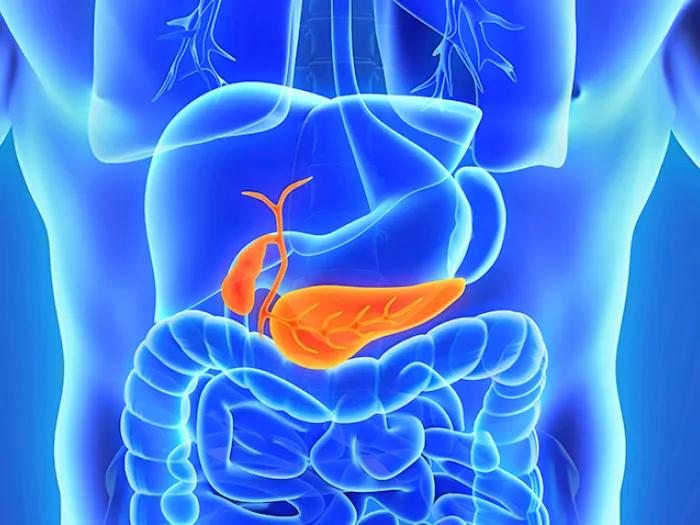
Discovery in Mice Could Remove Roadblock to More Insulin Production
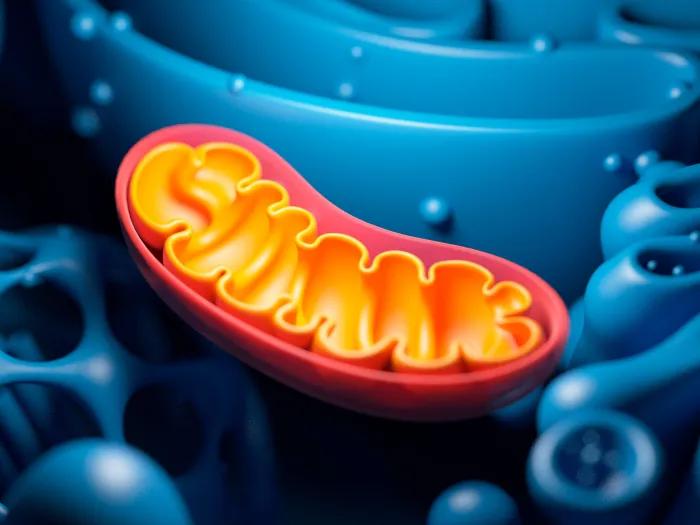
Mitochondria may hold the key to curing diabetes
Stay Informed
Want top health & research news weekly? Sign up for Health Lab’s newsletters today!
Featured News & Stories

Gene editing is coming for common diseases. Are we ready?
Comprehensive DNA sequencing reveals hidden drivers of cancer

‘Molecular glue’ stabilizes protein that inhibits development of non-small cell lung cancer and uterine cancer

Many older adults make Medicare decisions quickly and most don’t change plans, poll finds

What’s the latest on 7-OH and kratom availability and addiction care?