Medicare could save $3.6B without risk to older adults, study suggests
Fewer low-value tests, scans and procedures could also save older adults $800M in out-of-pocket costs
11:00 AM
Author |
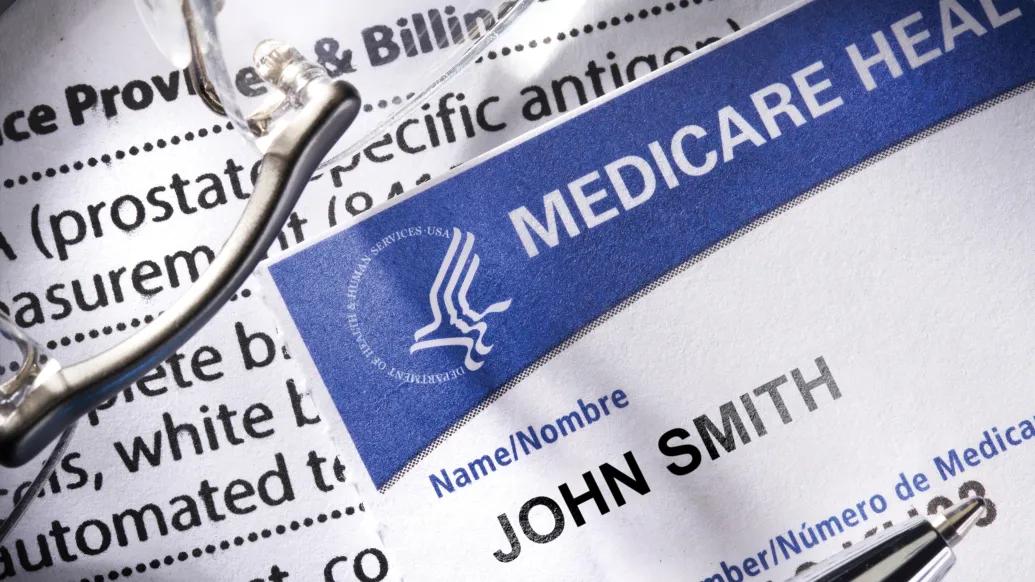
The federal government’s Medicare program and older adults together spend $4.4 billion a year on care that has low clinical value for patients and can even raise their risk of harm, a new study finds.
The study focuses on 47 tests, scans and procedures that research has shown don’t benefit most patients. Reducing their use in patients who clearly won’t benefit could preserve Medicare funding for more important care, the researchers conclude.
In fact, focusing on just five of the services could prevent $2.6 billion in spending by Medicare and the older adults enrolled in it. All five have received a grade of “D” from the U.S. Preventive Services Task Force because research has shown they are ineffective or have risks that outweigh their benefit.
The D grade means the Secretary of Health and Human Services can authorize the Medicare system to withhold payment under the Affordable Care Act.
The five services are: screening for all older adults for chronic obstructive pulmonary disease; screening for bacteria in the urine of patients without symptoms; testing men older than 70 for prostate-specific antigen if they have no personal or family history of prostate issues; and screening older adults with no symptoms for blockage in the carotid arteries in their neck, or for heart rhythm issues using an electrocardiogram.
The study also includes 42 services identified as low-value for some or all patients by other entities, including major medical professional societies, based on research studies. Seventeen of them, and three of the grade D services, together accounted for 94% of the low-value care identified in the study.
Health economist David D. Kim, Ph.D. of the University of Chicago and primary care physician A. Mark Fendrick, M.D. of the University of Michigan Medical School’s Center for Value-Based Insurance Design did the study in light of federal efforts to reduce waste and curb the growth in costs for Medicare. They published their findings in JAMA Health Forum.
“Patients who can benefit from these services should absolutely receive them, but we show that tremendous savings could be achieved by avoiding them in patients who won’t benefit or could be harmed,” said Kim. “It’s also important to note that our findings don’t include spending on care that follows a low-value test, scan or procedure, which in the case of universal PSA screening has been estimated to be $6 for every $1 spend on screening.”
Fendrick notes that the study is based on clinical evidence, which draws distinctions between patients who could or could not stand to benefit from one of the 47 services.
The researchers achieved this by looking closely at anonymous data from services that traditional Medicare paid for in a random sample of people between 2018 and 2020. They then extrapolated their findings to the entire Medicare population.
“This research is very policy relevant as it takes a clinically driven, patient-focused approach to quantifying unnecessary medical spending,” said Fendrick. “This is much more nuanced than ‘blunt’ policies that reduce government spending on health care but could harm patients.”
He notes that the section of the ACA that authorizes Medicare to remove coverage for low-value preventive services that have received a D grade from USPSTF is an example of value-based insurance design in the ACA; links to this provision and others are available from the U-M VBID center website.
The entire list of services analyzed in the study, and their rank in both total spending and in the 20 most-used services, is available here.
The study was funded by a research grant to Kim from Arnold Ventures, a philanthropic fund which played no role in the study. Kim is an alumnus of the U-M School of Public Health biostatistics program.
Reference: Projected Savings from Reducing Low-Value Services in Medicare, JAMA Health Forum, doi:10.1001/jamahealthforum.2025.3050

Health Lab
Explore thousands of health news & research stories by visiting the Health Lab homepage for more.
Media Contact

Public Relations
Department of Communication at Michigan Medicine
In This Story

A Mark Fendrick, MD
Professor
Related
Routine Testing Before Surgery Remains Common Despite Low Value

Does virtual care mean low-value care? Study says no
Featured News & Stories

Many older adults make Medicare decisions quickly and most don’t change plans, poll finds

What’s the latest on 7-OH and kratom availability and addiction care?

Better prenatal care data could help prevent maternal complications, experts say

Many hospitals still don’t do enough to prevent UTIs from catheters

Digital alerts support timely treatment decisions of critically ill cardiac patients