Medicaid eligibility during pandemic led to increased postpartum coverage, study suggests
Historically, Medicaid coverage ended at 60 days postpartum, but experts highlight the risk of maternal deaths continues beyond that
11:15 AM
Author |

Maternal mortality rates in the U.S. are increasing and considered high compared to other wealthy nations. And Medicaid coverage plays a large role in maternal health, as it funds nearly half of all the births in the country.
Medicaid coverage has historically ended at 60 days postpartum, but according to new data, a significant number of maternal deaths are happening between 43 and 365 days postpartum.
“In the U.S., health insurance is really a necessary prerequisite to get high quality care,” said senior author Lindsay Admon, M.D., M.Sc., an assistant professor of obstetrics and gynecology at the University of Michigan Medical School and obstetrician-gynecologist at U-M Health Von Voigtlander Women’s Hospital.
“It’s not the only step, but it’s a critical first step because without it, it’s hard to get a foot in the door.”
A lot of postpartum maternal deaths are occurring in the late postpartum period, or beyond 43 days postpartum, which is actually around the time Medicaid coverage has historically ended.”
--Lindsay Admon, M.D.
COVID-19 and coverage
Under the Families First Coronavirus Response Act (FFCRA) in March 2020, Admon notes, Medicaid programs were not allowed to disenroll people from Medicaid during the public health emergency. This was the first time pregnancy related Medicaid coverage was extended past 60 days postpartum. The American Rescue Plan Act (ARPA) then passed in 2021, which provides states with federal funding to extend Medicaid coverage through the first year postpartum now that the pandemic has ended.
Admon and her fellow collaborators analyzed data to study the impact of the FFCRA on postpartum coverage and care during the pandemic. For people who had Medicaid at the time that they gave birth, they found that the policy allowed for large increases in postpartum Medicaid enrollment and a 40% decline in postpartum uninsurance, according to their study in JAMA Health Forum.
“As of March 2024, almost all states either have implemented or plan to implement extensions of pregnancy Medicaid coverage through the first year postpartum,” said lead author Jamie Daw, Ph.D., an assistant professor of health policy and management at the Columbia University Mailman School of Public Health.
“The results from our study are very encouraging, suggesting that those extensions are likely to significantly increase continued Medicaid enrollment and decrease uninsurance during the postpartum year.”
Postpartum coverage crucial
Nearly half of U.S. births are covered by Medicaid. Yet, once an individual gives birth, it can be more difficult to remain covered by Medicaid, Admon says, leaving postpartum people in a potentially dangerous position.
“A lot of postpartum maternal deaths are occurring in the late postpartum period, or beyond 43 days postpartum, which is actually around the time Medicaid coverage has historically ended.” Admon said.
“We know some of the leading causes of maternal deaths from the late postpartum period are things like behavioral health conditions, and it is difficult to remain in treatment without insurance coverage.”
While this study found that postpartum Medicaid enrollment increased while recipients were not allowed to be disenrolled, the authors found no association with postpartum visit attendance, contraception use, breastfeeding or depressive symptoms.
Coverage extensions beneficial
However, Daw says the COVID-19 pandemic could have played a factor in the lack of these findings due to stay at home orders that were in effect across the country and the fact that data used in the study only followed people for a few months postpartum, not the entire postpartum year.
“States can learn from this national experiment during the pandemic and apply these findings to consider the potential impact of adopting an ongoing extension of pregnancy related Medicaid coverage through the first year postpartum,” Admon said.
Additional authors: Colleen L. MacCallum-Bridges, PhD; Katy B. Kozhimannil, PhD
Citation: “Continuous Medicaid Eligibility During the COVID-19 Pandemic and Postpartum Coverage, Health Care, and Outcomes,” JAMA Health Forum. DOI: 10.1001
Sign up for Health Lab newsletters today. Get medical tips from top experts and learn about new scientific discoveries every week by subscribing to Health Lab’s two newsletters, Health & Wellness and Research & Innovation.
Sign up for the Health Lab Podcast: Add us on Spotify, Apple Podcasts or wherever you get you listen to your favorite shows.

Health Lab
Explore a variety of health care news & stories by visiting the Health Lab home page for more articles.
Media Contact

Public Relations
Department of Communication at Michigan Medicine
Related
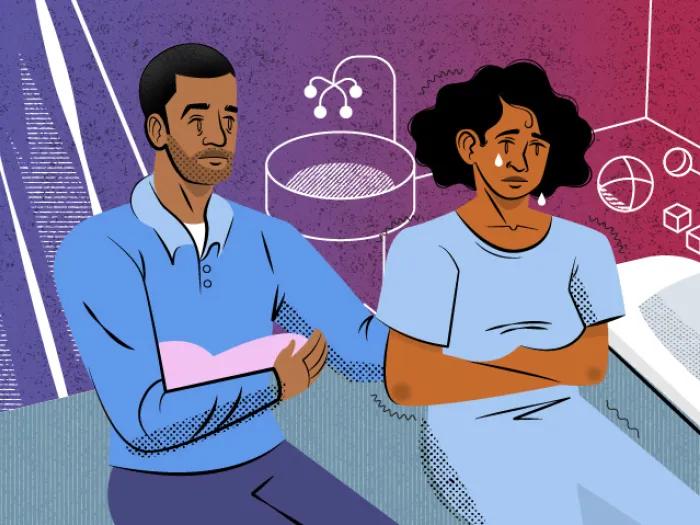
Maternal health risks linked to childbirth persist throughout postpartum year
Stay Informed
Want top health & research news weekly? Sign up for Health Lab’s newsletters today!
Featured News & Stories
New Findings on a Decade of Medicaid Expansion in Michigan
7-OH, kratom and the emerging public health crisis for sale across the country

Rx Kids linked to reductions in preterm births and low birthweights, fewer NICU admissions

Medicaid expansion helped enrollees’ long term financial health, study finds
How donor eggs helped one couple build the family they always hoped for