Many young adults favor at-home STI testing for convenience and privacy
With sexually transmitted infections disproportionately affecting young people, self-collected test kits could reduce reproductive health barriers among youth
5:00 AM
Author |
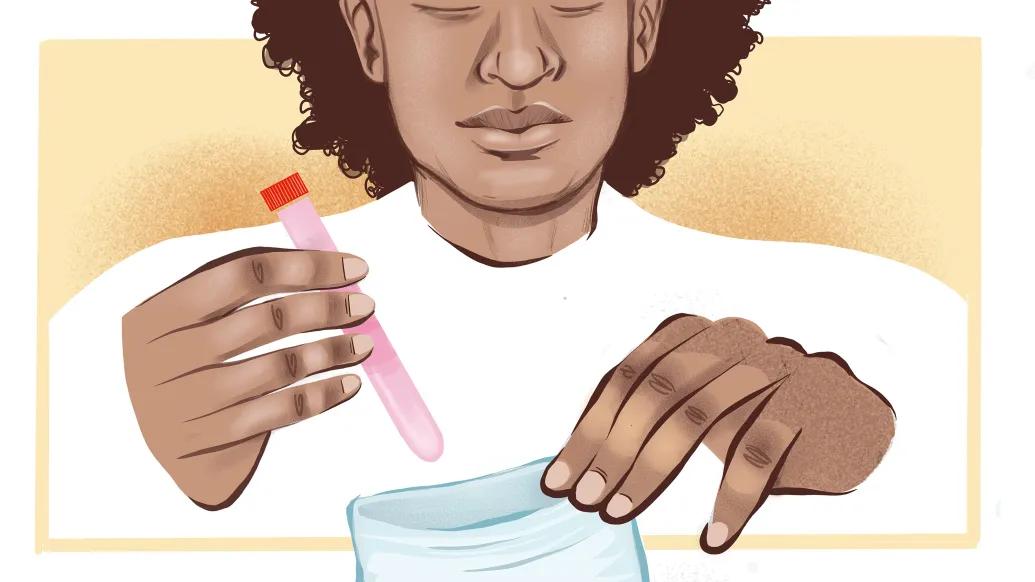
Stigma, privacy and inconvenience are among the many barriers that may prevent some adolescents and young adults from addressing sexual health with a traditional health provider.
But many young people prefer testing for sexually transmitted infections in the comfort of their own home, a study suggests.
Ninety one percent of survey participants ages 14-24 indicated that they’d use free STI self-collection kits, according to recent Michigan Medicine-led findings in the Journal of Adolescent Health.
“There is an urgent need to prioritize and increase the accessibility of sexually transmitted infection testing among youth,” said senior author Okeoma Mmeje, M.D., M.P.H., associate professor of obstetrics and gynecology at the University of Michigan Medical School and an OBGYN at U-M Health Von Voigtlander Women’s Hospital.
“STI self-collection is an effective alternative that addresses barriers that often deter this population from seeking traditional reproductive health care services. The autonomy and confidentiality offered through this option may empower young people to take charge of their sexual health without fear of judgment or social stigma.”
The Centers for Disease Control and Prevention reported over 2.4 million cases of syphilis, gonorrhea, and chlamydia in the United States in 2023.
These conditions disproportionately affected adolescents and young adults aged 15-24 who comprised nearly half of all STI cases in the country.
The autonomy and confidentiality offered through this option may empower young people to take charge of their sexual health without fear of judgment or social stigma.”
-Okeoma Mmeje, M.D., M.P.H.
STIs account for nearly a third of infertility in women and may also increase the risk of ectopic pregnancy, preterm labor and birth, pregnancy loss, neonatal complications and endometriosis.
“While most sexually transmitted infections are asymptomatic and treatable, we will continue to see STI-related complications unless we improve access to testing and treatment services,” said lead author Jayelin Parker, M.S.W., M.P.H., researcher in the U-M Medical School, Department of Obstetrics and Gynecology.
“STI screening should be available and accessible to young people in various forms. User-friendly STI self-collection kits encourage more frequent testing, early detection, and treatment of STIs.”
She notes that STI self-collection kits offer the ease and comfort of collecting a urine sample or vaginal swab at home, which may reduce the potential discomfort and anxiety associated with testing.
Additionally, researchers point out, historically marginalized groups in the U.S., including youth from sexual and gender minority populations, are disproportionately affected by STIs because of sexual stigma, medical mistrust, discrimination, and lack of health-care access.
Researchers utilized MyVoice, a nationwide text message survey of adolescents and young adults, collecting responses from 763 participants in 2022.
Convenience, privacy, and comfort were cited as reasons for preferring STI self-collection kits.
The 6% of young people who said they would not use this at-home testing option cited concerns about test result accuracy and discomfort with specimen collection.
“It’s a public health priority to address the social and political determinants of health that impact the ability of youth to access reproductive healthcare services,” Mmeje said.
“Our findings offer insight into the unique sexual health care needs and preferences of adolescents and young adults. Highlighting these attitudes and experiences provides policymakers with data to shape inclusive and effective sexual health policies that meet the diverse needs of this population.”
Additional authors: Hiba Pediyakkal, B.A.; Marika Waselewski, M.P.H. and Tammy Chang M.D., M.P.H., all of University of Michigan.
Study cited: “Self-Collected Testing for Sexually Transmitted Infections: A National Text Message Survey of Adolescents and Young Adults,” Journal of Adolescent Health. DOI: 10.1016/j.jadohealth.2024.10.028
Sign up for Health Lab newsletters today. Get medical tips from top experts and learn about new scientific discoveries every week.
Sign up for the Health Lab Podcast. Add us wherever you listen to your favorite shows.

Health Lab
Explore thousands of health news & research stories by visiting the Health Lab homepage for more.
Media Contact

Public Relations
Department of Communication at Michigan Medicine
In This Story

Okeoma Mmeje, MD, MPH, MBA
Associate Professor
Related
The dangerous intestinal disease fatal to premature babies and vulnerable infants
Stay Informed
Want top health & research news weekly? Sign up for Health Lab’s newsletters today!
Featured News & Stories

Human Rabies Exposures Growing Across the Country

4 ways to teach your teen safe driving habits

Top 7 tips for choosing Medicare prescription drug coverage for 2027

U-M-led consortium to receive up to $52 million in NIH funding to study why viral respiratory infections affect children differently

Comprehensive DNA sequencing reveals hidden drivers of cancer