Longtime Michigan football announcer makes call on heart health
Jim Brandstatter had several procedures to correct his heart’s rhythm
5:00 AM
Author |
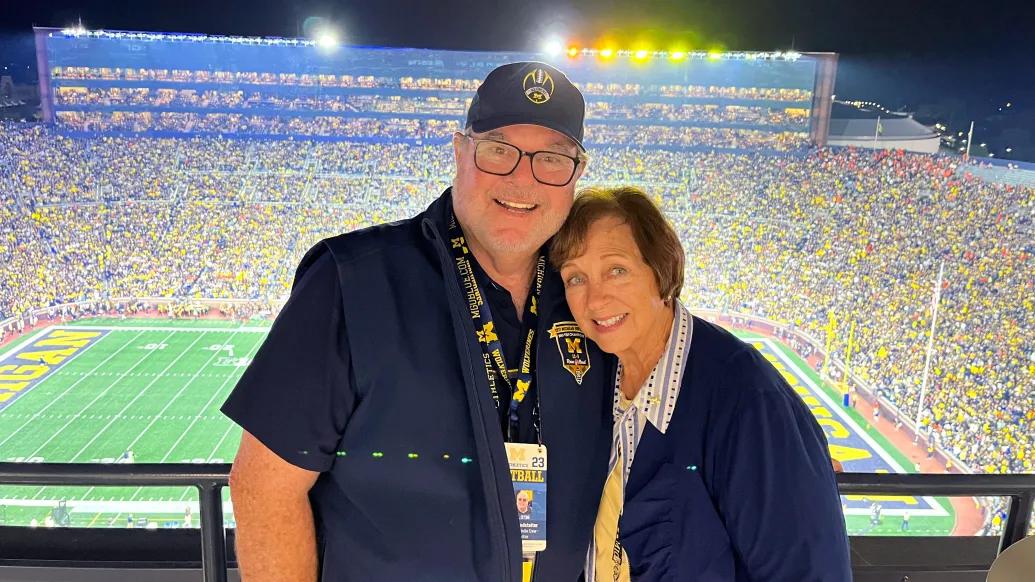
Over four decades of announcing games, former Michigan Football voice Jim Brandstatter, 74, has made some memorable calls.
“Wolverine nation, the long drought is over: Ohio State is vanquished.”
The words from University of Michigan’s 2021 victory are some that he’ll never forget.
But from his condominium on Florida’s east coast, the recently retired Brandstatter reflects on another notable call.
“I never had an issue with my heart, but I made the decision in my 60s to start seeing a cardiologist,” he said.
“I didn’t even know the problem was there, but they helped me manage my condition and keep living my life without major changes."
Brandstatter played football for Michigan from 1969 to 1972, winning two Big Ten championships and earning two trips to the Rose Bowl.
During that time, he didn’t suffer any major injuries.
“I’m very lucky,” he said.
“I’m one of the few guys from that team with all my original parts: No artificial knees or hips. Nothing serious enough to send me to the hospital or require a surgery.”
His good health continued through his broadcast career, which started in local Michigan news.
In 1979, Brandstatter began calling color commentary for Michigan Football on the radio and took over as the play-by-play caller in 2014.
Getting proactive on heart health
Around 2012, Brandstatter visited U-M Health for his first appointment with cardiology.
His former coach, Bo Schembechler, had his first heart attack at the age of 39 before the Rose Bowl in which Brandstatter played.
Schembechler received several treatments at the U-M Health Frankel Cardiovascular Center, with care led by Kim Eagle, M.D., one of the center’s directors.
During one of his appointments, Brandstatter’s care team diagnosed him with atrial fibrillation.
Recent estimates show that around 10.5 million Americans have the condition, commonly called Afib.
Many people with Afib don’t experience regular symptoms, including Brandstatter.
However, the irregular heart rhythm can increase your risk of a heart attack and stroke if left untreated.
Brandstatter has received several treatments for Afib.
In addition to management with medications, Brandstatter’s electrophysiologist, Hakan Oral, M.D., also treated him with a minimally invasive catheter ablation.
This method involves threading a catheter into the heart’s left atrium, identifying spots that cause faulty heart signals and using heat or cold energy to stop them.
“Catheter ablation has evolved as a highly effective treatment modality for patients with atrial fibrillation, and U-M Health has been at the forefront of furthering this therapy over the last three decades,” Oral said.
“With the availability of latest ablation technology using nonthermal, 3D pulse field ablation, the procedure can often be safely performed within 60 to 90 minutes, and most patients can go home the same day.”
Throughout his treatment, Brandstatter was able to travel to broadcast U-M games. This continued through his retirement at the end of the 2021 season.
Despite leaving the booth, Brandstatter remains active on social media, where he produces video segments about U-M athletics.

He plays golf several days a week and takes many walks with his wife, Robbie.
“Jim Brandstatter was very proactive about his health,” Eagle said.
“I think that in watching what happened to Coach Schembechler and other former players and friends, he realized that when it comes to heart health, we all need to understand our risk factors and have a medical ‘coach.’ They can help find the best possible ‘game plan’ to prevent and overcome heart disease. It is gratifying to watch a patient with that mindset do so well.”
Brandstatter urges people to take his lead and get their heart checked at some point.
“For your own safety and peace of mind, find a cardiologist,” he said.
“Heart disease can happen to anyone and it’s best to treat it early.”
Sign up for Health Lab newsletters today. Get medical tips from top experts and learn about new scientific discoveries every week.
Sign up for the Health Lab Podcast. Add us wherever you listen to your favorite shows.

Health Lab
Explore thousands of health news & research stories by visiting the Health Lab homepage for more.
Media Contact

Public Relations
Department of Communication at Michigan Medicine
In This Story

Hakan Oral
Professor
Related
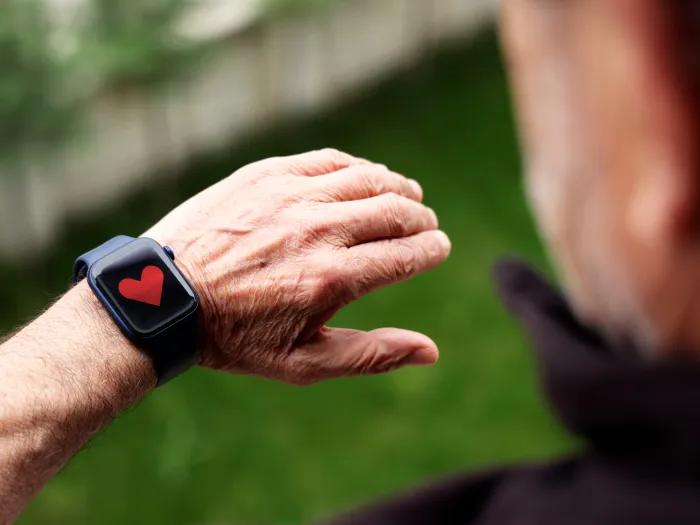
Clinical smart watch finds success at identifying atrial fibrillation
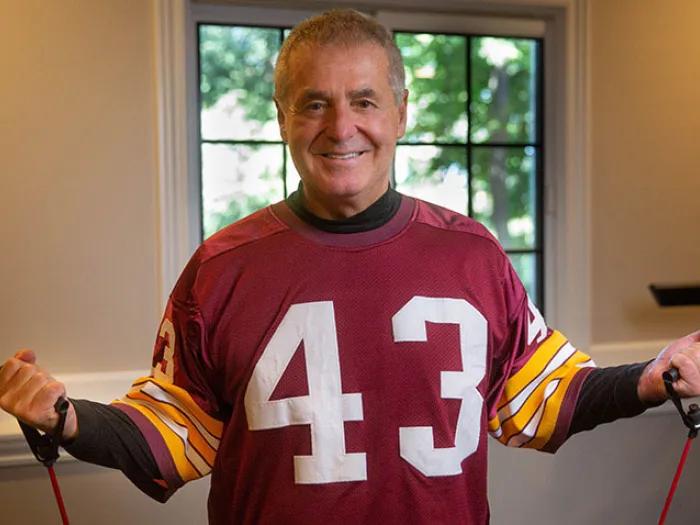
A constant state of Afib
Stay Informed
Want top health & research news weekly? Sign up for Health Lab’s newsletters today!
Featured News & Stories

Digital alerts support timely treatment decisions of critically ill cardiac patients

Is the United States Lagging Behind Europe in Memory Improvement?
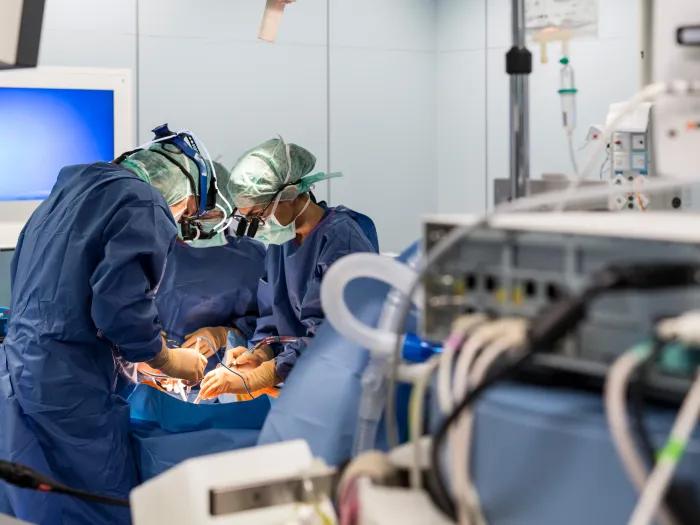
Reducing infections after heart surgery could save Medicare $441 million per year
Young father survives aortic dissection after delayed diagnosis
Weighing TAVR vs. SAVR for aortic stenosis treatment