Kids with sickle cell disease face higher risk of dental issues, yet many don’t receive needed care
A study finds that fewer than half of children with sickle cell disease covered by Michigan Medicaid received dental services
11:00 AM
Author |

Children with sickle cell disease are more likely to have dental problems — but fewer than half of those covered by Michigan Medicaid got dental care in 2022, according to a study.
The findings, led by Michigan Medicine and non-profit RAND Corporation, appear in JAMA Network Open.
“Sickle cell disease is known to increase the risk of dental complications in children, which underscores the importance of preventive dental care for this population,” said senior author Sarah Reeves, Ph.D., M.P.H., an associate professor of pediatrics and epidemiology at the U-M Medical School and the Susan B. Meister Child Health Evaluation and Research Center.
“Our findings show that we need to take steps to make sure kids with this condition get the dental care they need — by helping dentists feel more prepared to treat them and making sure doctors know how important dental health is for these children."
Sickle cell disease is an inherited blood disorder that affects roughly 2,000 newborns a year in the United States.
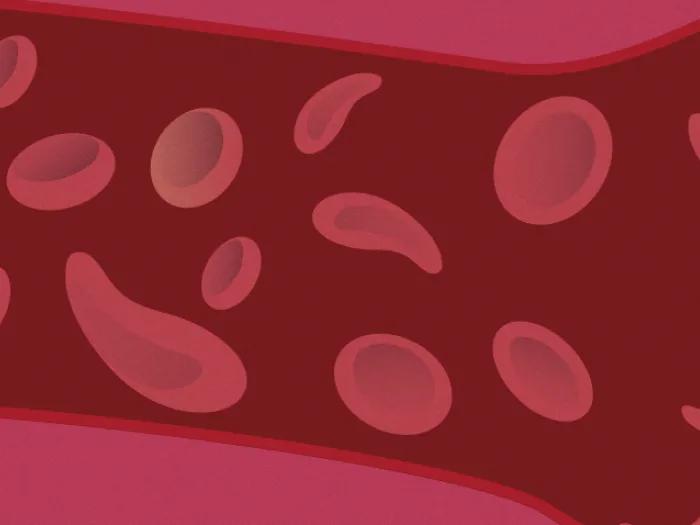
It affects red blood cells, causing them to become misshapen and block blood flow, which can lead to pain, strokes, and other serious health problems.
Dental health is particularly important for children with the condition because of its reciprocal relationship with the disease, Reeves says.
Infections cause inflammation and stress in the body, which can lead to the sickling of red blood cells.
“Oral infections are especially dangerous for people with sickle cell disease because they can trigger or worsen symptoms and serious complications,” Reeves said.
“Preventative dental care helps reduce the risk of pain crises and hospitalizations.”
Researchers analyzed use of dental care for 1,096 children with both sickle cell disease and Michigan Medicaid, and 1.18 million children with Michigan Medicaid.
Given increased risk of oral health problems among patients with sickle cell disease we need focused efforts to expand access to dental services for them.”
-Sarah Reeves, Ph.D., M.P.H.
More than 40% of children in both groups were aged 6-14 years.
Children with sickle cell disease in Michigan have comparable rates of dental service utilization to the general pediatric Medicaid population.
Overall, less than half of children with or without out sickle cell disease and Medicaid received any type of dental care, including preventive services and treatment.
Reeves said several factors limit access to dental care for children with sickle cell disease, including a shortage of dentists who accept Medicaid and a lack of clear guidelines for treating these patients.
The study highlights the need for targeted solutions, she says, such as better provider training and stronger communication between medical and dental professionals to ensure children with the condition get the care they need.
“Given increased risk of oral health problems among patients with sickle cell disease we need focused efforts to expand access to dental services for them,” she said.
“There are many reasons why dental care rates are low in this group. Future research should look at what those barriers are and how we can overcome them to improve care for this vulnerable population.”
Additional authors: Ashley Kranz, B.A., Ph.D.; Hannah Peng, M.P.H., Allison King, M.D., M.P.H., Ph.D.; Sarah Clark, B.A., M.P.H. and Melissa Plegue, B.S., M.A.
Paper cited: “Sickle cell disease and dental care for children with Medicaid,” JAMA Network Open. DOI: 10.1001/jamanetworkopen.2025.29849

Health Lab
Explore thousands of health news & research stories by visiting the Health Lab homepage for more.
Media Contact

Public Relations
Department of Communication at Michigan Medicine
In This Story

Sarah Reeves
Associate Professor
Related

Living with sickle cell: From isolation to pursuing medical school, advocacy
Most babies with sickle cell disease face double disadvantage
Stay Informed
Want top health & research news weekly? Sign up for Health Lab’s newsletters today!
Featured News & Stories

4 in 5 parents say having a baby is too expensive

Many older adults make Medicare decisions quickly and most don’t change plans, poll finds

What’s the latest on 7-OH and kratom availability and addiction care?

A pediatric epilepsy fundraiser that changes lives

Better prenatal care data could help prevent maternal complications, experts say