Ischemic stroke: what’s the right treatment?
A neurologist shares how providers make choices during an emergency
5:00 AM
Author |
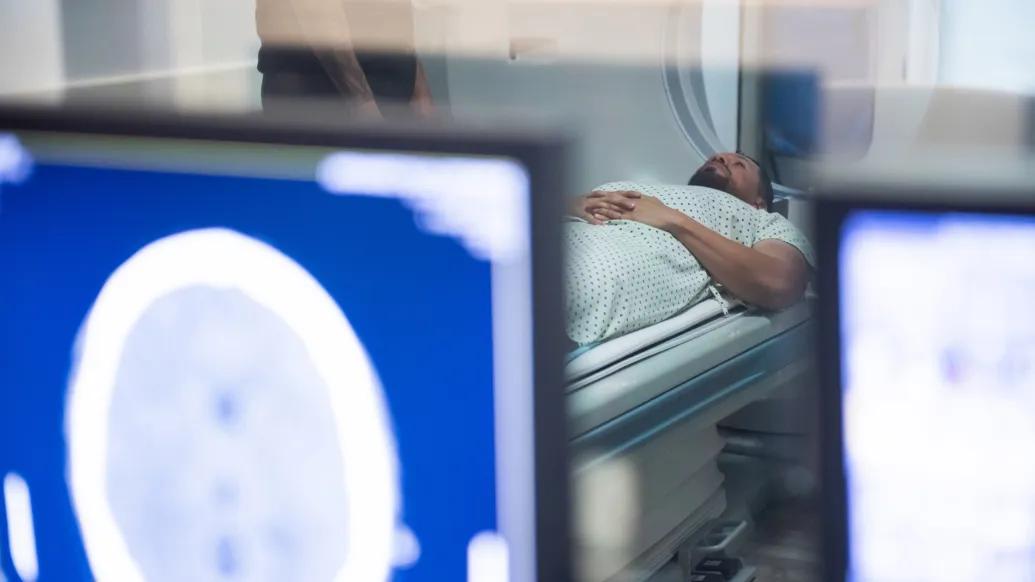
Each year, more than 600,000 Americans have a stroke for the first time.
A stroke occurs when blood flow to part of the brain is interrupted. While this can happen in a few ways, nearly 90% of strokes are ischemic, meaning blood flow is blocked by a clot that stops brain cells from getting oxygen.
Stroke is a leading cause of disability and death.
You may often hear the phrase “Time is brain,” a call-to-action for swift, lifesaving treatment as soon as you recognize a symptom of stroke.
There have been several treatment advancements for stroke, including thrombectomy, which have resulted in improved outcomes for patients.
But not every person gets the same stroke treatment; even though a stroke is a medical emergency, some people don’t require immediate treatment.
A University of Michigan Health vascular neurologist, Joseph Carrera, M.D., explains keys facts about ischemic stroke treatment and how providers determine a patient’s care plan when time is short.
How is an ischemic stroke treated?
Carrera: There are two main types of treatment available for those suffering from acute ischemic stroke. The first is a class of clot-busting medications called thrombolytics, and we often use a specific drug called Tenecteplase, or TNK.
These are designed to break up a blood clot that may be interrupting blow flow to the brain.
Typically, we can only give this medication safely to individuals that are within 4.5 hours from when their stroke started.
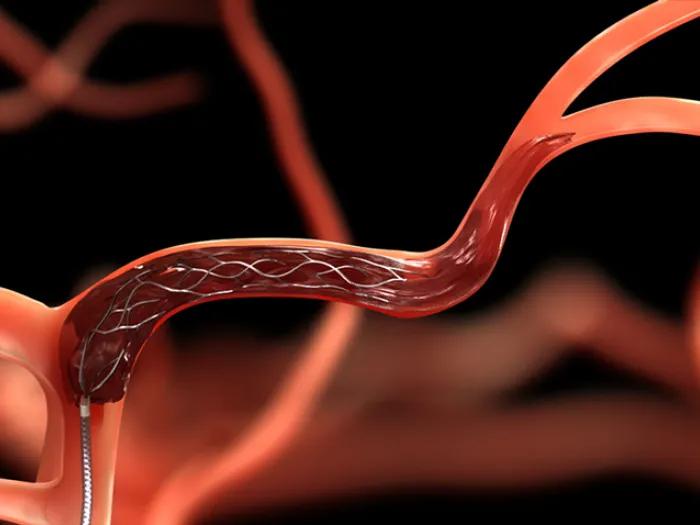
The second main type of treatment is called thrombectomy, and this is a procedure during which the clot blocking blood flow is physically removed from the artery.
This involves entering an artery in the arm or leg and guiding a device up to the brain to remove the blockage. In some cases, thrombectomy can be done up to 24 hours from when the stroke started.
For both treatments, the goal is to open the blockage in the artery and restore the necessary blood flow to the brain.
Who gets a thrombectomy, and how do you decide?
Carrera: Unfortunately, not everyone is a candidate for thrombectomy.
The procedure is typically only an option for those suffering more severe strokes where the artery being blocked is larger and, therefore, accessible for our current devices.
To help determine who may be a good candidate for thrombectomy, we need to do multiple types of scans.
This can help us see where the artery is blocked and how much brain is being impacted by the stroke.
The results of this imaging help us determine if a patient is a good candidate for thrombectomy.
We are fortunate to have a very collaborative stroke team at U-M Health.
For any patient in which thrombectomy might be an option, our providers in neurology, emergency medicine, neurosurgery, anesthesia and neuro-interventional radiology providers come together with the patient and their loved ones to determine the best option for each patient.
When don’t you need a thrombectomy? How do you make that decision when time is short?
Carrera: The most common reason that someone would not be a candidate for thrombectomy is that the artery being blocked is too small for our devices to safely enter.
There were recently a couple of studies published in the New England Journal of Medicine which showed that in patients with blockages in smaller arteries, thrombectomy may not provide benefit and could be exposing patients to risks.
To ensure that we evaluate each patient for treatment as rapidly as possible, our multidisciplinary stroke team is available to provide expert care at all hours.
In acute stroke, things move fast!
Our goal is to begin the thrombectomy procedure within one hour of arrival to the hospital for those who are eligible (within 30 minutes for patients transferring from another hospital).
We know that the quicker we can open the blocked artery, the better the likelihood of a good outcome for the patient.
Remember: Time is brain!
Do some strokes require no treatment?
Carrera: In some cases, when stroke symptoms are not disabling, studies show that the risks of either thrombolytics or thrombectomy likely outweigh any potential benefits.
We aim to ensure that we deliver the right treatment to the right patient as quickly as possible. Sometimes that means foregoing treatments that may be exposing the patient to undo risks, such as bleeding into the brain.
In these cases, we immediately pivot and work tirelessly to determine the cause of the stroke, how best to rehabilitate any effects of the stroke and to prevent another from occurring.
Stroke care does not stop in the emergency room.
We have a giant team of nurses, therapists, case managers, social workers, doctors and advanced practice providers with expertise in stroke eager to do everything we can to provide the best care possible.
Sign up for Health Lab newsletters today. Get medical tips from top experts and learn about new scientific discoveries every week.
Sign up for the Health Lab Podcast. Add us wherever you listen to your favorite shows.

Health Lab
Explore thousands of health news & research stories by visiting the Health Lab homepage for more.
Media Contact

Public Relations
Department of Communication at Michigan Medicine
In This Story

Joseph F Carrera
Clinical Associate Professor
Related
Highly educated people face steeper mental declines after stroke
Setting a Trap to Treat Stroke
Stay Informed
Want top health & research news weekly? Sign up for Health Lab’s newsletters today!
Featured News & Stories

A pediatric epilepsy fundraiser that changes lives
Better prenatal care data could help prevent maternal complications, experts say
Many hospitals still don’t do enough to prevent UTIs from catheters

Digital alerts support timely treatment decisions of critically ill cardiac patients
What’s changing in Medicaid and what can you do?