Intermittent fasting can reverse diabetes in mice, study finds
Resting pancreatic beta cells through meal timing improves insulin production
2:30 PM
Author |

Patients with type 2 diabetes are usually treated with a combination of therapeutic drugs and lifestyle changes.
There are many different dietary recommendations, which can be confusing for patients who are trying to manage their diabetes through diet.
In a study published in Molecular Metabolism, University of Michigan researchers have found that in mice, both watching calories and timing of meals can completely reverse diabetes.
Their findings suggest that intermittent fasting, even when consuming a calorie dense diet, can help reverse the effects of diabetes in patients.
“In the U.S., most patients with type 2 diabetes have issues with obesity driven from excess caloric consumption,” said Peter Arvan, M.D., Ph.D., Professor of Internal Medicine-Metabolism, Endocrinology and Diabetes and member of the Caswell Diabetes Institute.
Beta cell stress
Excess body weight decreases the ability of cells to respond to insulin.
As a result, pancreatic beta cells need to secrete much more insulin than normal to keep blood glucose levels under control.
This stress can ultimately cause beta cells to fail, resulting in uncontrolled diabetes.
While most patients are encouraged to reduce their calorie intake to lose weight, the study investigated whether meal timing can help restore beta cell function.
“We currently live in a society where food is available all day, while in the past humans may have gone long stretches between meals,” Arvan said.
“We wanted to see whether rest periods between meals allow the pancreas to recover from the stress of previous meals.”
Alternating diet
Pancreatic beta cells first make proinsulin that is then turned into insulin.
In patients with type 2 diabetes, proinsulin isn’t always folded correctly, which decreases insulin production and is a major source of beta cell stress.
In the study, researchers used mice with a gene mutation that causes misfolding in a small fraction of proinsulin molecules, making them sensitive to high fat diet induced diabetes.
Upon weight gain from a high fat diet, these mice develop diabetes in a few weeks.
The diabetic mice were then divided into two groups: one that could eat a lower calorie diet continuously and one that continued to eat a high fat diet but was fed every other day.
At the end of five weeks, although both groups maintained the same body weight, the second group completely reversed their blood sugar levels back to normal.
“In the end, both groups of diabetic mice consumed and burned the same number of calories,” said Maroof Alam, Ph.D., Research Investigator of Internal Medicine and first author of the study.
“However, mice that were fed on alternate days had more insulin in their beta cells.”
The fasting gave the beta cells a rest period so that they were better able to store the insulin they made. They could then release more insulin when the mice were fed.
We wanted to see whether rest periods between meals allow the pancreas to recover from the stress of previous meals.”
--Peter Arvan, M.D., Ph.D.
Recovery takes time
Mice that reversed their diabetes required several weeks of intermittent fasting, suggesting that recovery of pancreatic beta cells is not immediate and takes some time.
Additionally, the researchers worry that if patients stop their dietary management and return to their previous eating habits, their diabetes will likely recur.
They are hopeful, though, that this study is the first step to understanding whether people with advanced stages of diabetes can benefit from intermittent fasting.
In the present work, they looked at mice who began the high fat diet at a stage of diabetes when their average blood sugar level was 350 mg/dL.
The researchers are interested in understanding whether mice who have even higher glucose levels can also be rescued.
“You need to have restoration of functional beta cells, but when diabetes is advanced, there might not be enough remaining beta cells to restore,” Arvan said.
“On the other hand, even though it might take longer to fix more severe stages of diabetes, we need to test if intermittent fasting can help.”
Additional authors: Anoop Arunagiri, Leena Haataja, Sami B. Onton, Chanté Liu, Mauricio Torres, Emma Mastroianni, Joshua Monickaraj, Hassan Draz and Leslie S. Satin.
Michigan Research Core(s): University of Michigan Electron Microscopy core, the Mouse Metabolic Phenotyping core, and the Diabetes Center Microscopy/Image Analysis Core.
Funding/disclosures: This work was supported by NIH R01DK48280, DK143292, R01DK46409 and P30-DK089503.
Paper cited: “Diet-induced diabetes driven by proinsulin misfolding reversed by β-cell rest,” Molecular Metabolism. DOI: 10.1016/j.molmet.2026.102461.
Sign up for Health Lab newsletters today. Get medical tips from top experts and learn about new scientific discoveries every week.
Sign up for the Health Lab Podcast. Add us wherever you listen to your favorite shows.

Health Lab
Explore thousands of health news & research stories by visiting the Health Lab homepage for more.
Media Contact

Public Relations
Department of Communication at Michigan Medicine
In This Story

Peter Arvan
Professor

MD Maroof Alam
Research Investigator
Related

What to Know About Low Carb Diets and Managing Your Diabetes
Blood-based metabolic signature outperforms standard method for predicting diet, disease risk
Stay Informed
Want top health & research news weekly? Sign up for Health Lab’s newsletters today!
Featured News & Stories
Study reveals why a rare mutation behind Dravet syndrome is so deadly

FDA approved drug slows type 1 diabetes progression in 5-year-old patient

New questionnaire aims to improve understanding of demand avoidance in children, teens
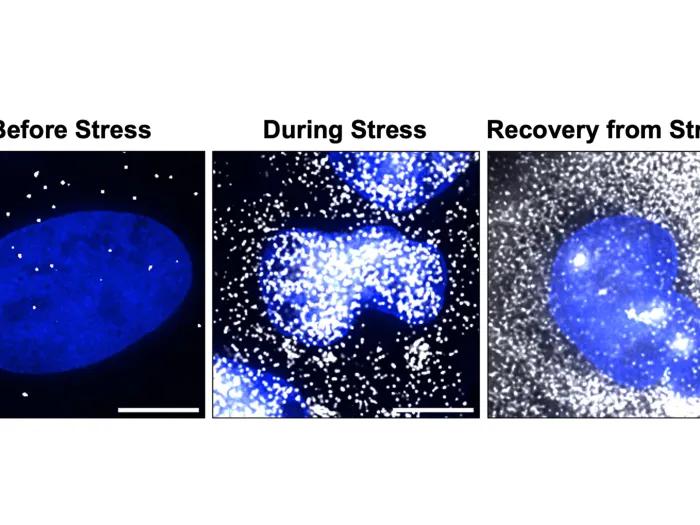
Timing is of the essence for RNA during stress

New anti-cancer strategy shows promise in preclinical studies