Insurance ‘Churn’ Hits Adults with Type 1 Diabetes Hard
A new study links a gap in coverage of 30 or more days to a fivefold increase in hospital stays and emergency visits, and higher blood sugar.
4:00 PM
Author |
For a million American adults, living with type 1 diabetes means a constant need for insulin medication, blood sugar testing supplies and specialized care to keep them healthy and prevent a crisis that could end up in an emergency room, a hospital bed or death.
LISTEN UP: Add the new Michigan Medicine News Break to your Alexa-enabled device, or subscribe to our daily audio updates on iTunes, Google Play and Stitcher.
But a new study finds that 1 in 4 of these working-age adults had at least one gap of at least 30 days in their private health insurance within an average of a three-year period. The study is published in Health Affairs by a team from the University of Michigan.
A temporary loss of coverage had a sizable impact on the patients' use of health care once they got insurance again. After a gap of 30 days or more, adults with type 1 diabetes were five times more likely to end up in an emergency room, hospital or urgent care center than in the period before the interruption.
Insurance gaps also increased their rolling-average blood sugar levels, or HbA1c, indicating a lower level of control during the gap. Higher levels can increase the risk of long-term diabetes complications. Questionnaires showed that patients who had an insurance gap reported less satisfaction with their lives and worse health status.
Overall, the surveys found, one-fourth of working-age adults with type 1 diabetes in the United States indicated that their health was fair or poor.
Effects of 'churn'
The new study is the first to look at the effects of health insurance "churn" — a term for moving in and out of different health insurance plans — on people with type 1 diabetes using data from private insurance companies.
"Type 1 diabetes requires intensive daily management in order to simply remain alive, so interruptions to care and coverage of insulin and supplies can pose a major risk," says Mary A. M. Rogers, Ph.D., the U-M Medical School researcher who led the study. "While we expected gaps in coverage to affect health in some way, the size of the effect and the frequency of gaps were striking."
MORE FROM THE LAB: Subscribe to our weekly newsletter
Rogers notes that the changing nature of Americans' work lives — with multiple jobs of shorter duration and the rising "gig" economy — makes the study especially timely.
In addition, the proportion of private employers offering health insurance has been declining; in 2016, only 45 percent of private-sector employers offered it.
Meanwhile, more working-age adults are living — and working — with chronic conditions that were diagnosed in childhood. Years ago, such conditions might have been disabling or life-threatening, but they now can be managed through improvements in medical care. And a recent study led by Rogers estimates that 27,000 children and teens and 37,000 working-age adults are newly diagnosed with type 1 diabetes each year in the United States.
The exact causes of this autoimmune disease are not yet known, and the disease has no cure.
Variation in interruptions and impacts
The study used anonymous data from the Clinformatics Data Mart database from January 2001 to mid-2015, purchased by the U-M Institute for Healthcare Policy and Innovation, of which the authors are members. It focused on adults ages 19 to 64 who had type 1 diabetes. Of the 168,612 adults studied, 40,897 had at least one interruption in their health insurance coverage of 30 days or more.
The results of the study indicated that people in their 20s and 30s with type 1 diabetes were more likely than those in their 40s, 50s and early 60s to experience a gap in coverage. In addition, those in the Midwest and South were more likely to have a gap than those in the Northeast and West.
SEE ALSO: Diabetic Eye Issues a Growing Problem in Youth with the Disease
After an interruption in insurance, adults with type 1 diabetes used more acute care services — from an urgent care center, emergency room, ambulance or hospital. Their use of acute care services was four to seven times higher than in the period before the interruption. After a gap of 31 to 60 days, adults with type 1 diabetes were 5.25 times more likely to use such services. After a gap of 91 to 120 days, they were 7.19 times more likely.
"These acute care services are costly and largely preventable with regular self-care guided by a primary care physician or an endocrinologist — a specialist who treats patients with diabetes," says Rogers, who is a research associate professor in the U-M Department of Internal Medicine. "While we did not examine direct costs, each emergency visit or hospitalization can easily cost thousands of dollars."
Patients with type 1 diabetes also have to deal with the rising cost of insulin, which has more than tripled in the past two decades.
Rogers notes that the availability of individual insurance plans and Medicaid expansion plans under the Affordable Care Act has broadened the kinds of insurance available to adults who do not receive insurance through their jobs.
"Our study provides evidence of fragmented care for adults with type 1 diabetes in the United States," says Rogers. "Such gaps in health care have been noticed for people who go in and out of Medicaid coverage, but we report that it also occurs in adults who have private health insurance. We know that providing continuity of care is important for patients with diabetes and is associated with lower mortality."
Rogers concludes, "This problem is not going away. If anything, fragmented care is likely to increase with projected trends. Yet access to medical care is essential for life for people with type 1 diabetes. Providing access to medical services for people with chronic conditions is a problem that America has not yet fully resolved."
Additional contributors are senior author and general medicine associate professor Catherine Kim, M.D., MPH, pediatric endocrinology professor Joyce M. Lee, M.D., MPH, general medicine assistant professor Renuka Tipirneni, M.D., and IHPI statistician Tanima Basu, M.S.

Health Lab
Explore thousands of health news & research stories by visiting the Health Lab homepage for more.
Media Contact

Public Relations
Department of Communication at Michigan Medicine
Stay Informed
Want top health & research news weekly? Sign up for Health Lab’s newsletters today!
Featured News & Stories
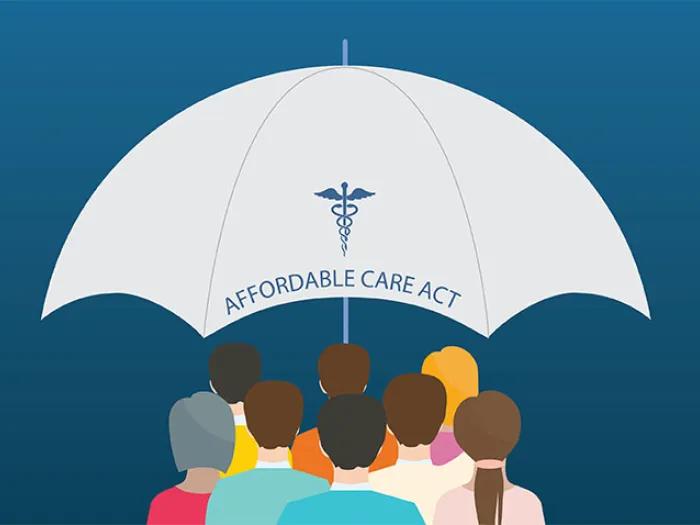
Dramatic ACA Effect Seen in Insurance for Adults with Diabetes

What’s changing in Medicaid and what can you do?

Is the United States Lagging Behind Europe in Memory Improvement?

Reducing infections after heart surgery could save Medicare $441 million per year

Study reveals the work and health insurance roller coaster millions of Americans ride