Improving eye comfort in patients who wear contact lenses
How contact lenses work and treatment options if you struggle with wearing them
5:00 AM
Author |
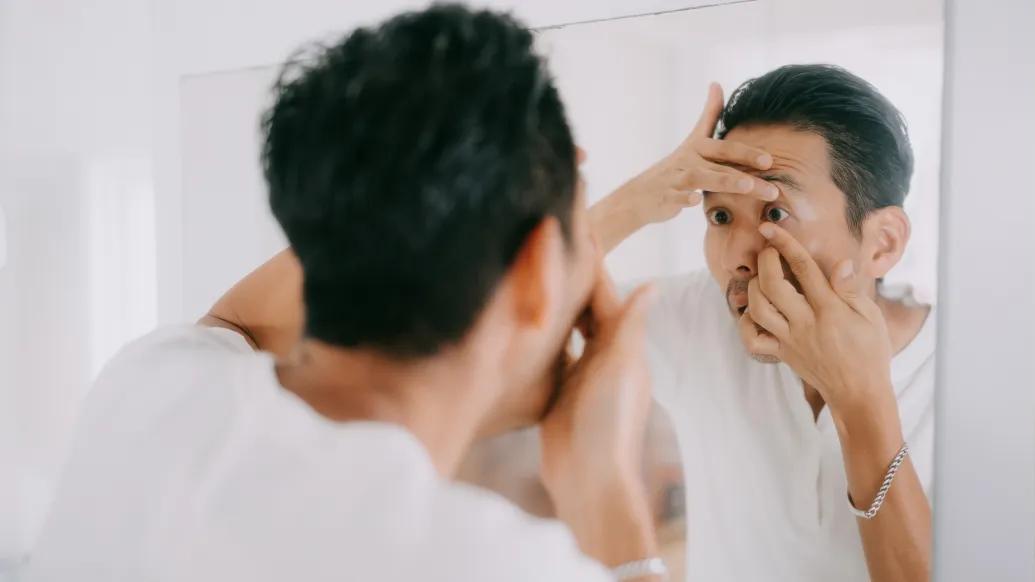
Around 45 million people in the United States wear contact lenses.
Although wearing lenses is generally safe, complications can arise if proper care isn't taken.
Common difficulties include persistent discomfort, dry eyes, small bumps on the eye surface called corneal infiltrates and inflammation of the upper eyelid.
Studies have found that discomfort was the leading reason for why patients discontinue using lenses, and 74% of patients who stopped them reported they would be willing to try again if their issues could be resolved.
In a recent article in Review of Optometry, Karen DeLoss, O.D., FAAO, clinical associate professor of ophthalmology and visual sciences at University of Michigan Health, outlined what measures patients can take to decrease contact lens discomfort.
Here she discusses how contact lenses work, types of lenses available and treatment options for patients who struggle with wearing them.
How do contact lenses work?
DeLoss: Contact lenses help focus light on your retina and correct vision problems like nearsightedness, farsightedness, astigmatism or presbyopia.
The most common type of lenses are soft contacts that are made from flexible materials that allow oxygen to pass through to the cornea.
Other options include toric lenses that are designed specifically for patients who have astigmatism and multifocal or bifocal lenses that help with both distance and near vision.
For corneal irregularities, doctors can also provide rigid gas-permeable lenses and scleral lenses, which vault over the cornea and rest on the white part of the eye. These are also used for conditions like keratoconus and dry eye.
How does wearing lenses affect the eyes?
DeLoss: In most cases, contact lenses—when worn correctly—are perfectly safe.
However, because they sit directly on the eye, they can reduce oxygen flow to the cornea and trap debris or bacteria if patients do not follow the proper cleaning and care routine.
Removing lenses while showering and swimming, for example, can protect against unwanted infections.
Also, avoid using tap water for rinsing lenses and contact lens cases.
However, overwearing lenses or sleeping in them does not increase the risk of dryness, irritation or infection.
What are the symptoms of eye damage caused by contact lenses?
DeLoss: Symptoms include pain, tearing, redness or sensitivity to light.
We encourage patients to contact us if they have these symptoms or if vision becomes blurry. In such cases, we advise that the patient discontinue wear and come in for an evaluation.
In some cases, patients may notice progressive dryness or feel like there is sand or grit in their eyes.
While these are less urgent, they can be a symptom of contact lens discomfort from the material or ocular dryness, and this should be addressed during the annual eye exam.
What are the treatments for contact lens discomfort?
DeLoss: It depends on what’s causing the discomfort.
Switching to a different material or replacement schedule, using lubricating drops made for contacts or switching to a different type of contact lens cleaning and care solution can help alleviate symptoms.
We may need to treat the underlying condition such as dry eye or allergies.
It can also be as simple as switching the patient to a different lens type, such as daily disposables.
I tell patients it’s like trying on jeans and finding the right “fit” for their eyes.
Are there any misconceptions about wearing contacts?
DeLoss: Yes, many people think they can’t wear contacts because they have astigmatism or dry eyes, but that’s not true because there are lenses designed for those conditions.
Dry eye is one of the most common reasons for contact lens drop out.
However, simply having that discussion with your eye care provider may prove otherwise.
Another misconception is that contacts are unsafe or always uncomfortable, but with today’s lens materials and designs, most people find them very comfortable and safe with proper care.
Additional authors: Renee Reeder and Mile Brujic
Paper cited: “Defeating Contact Lens Discomfort,” Review of Optometry.
Sign up for Health Lab newsletters today. Get medical tips from top experts and learn about new scientific discoveries every week.
Sign up for the Health Lab Podcast. Add us wherever you listen to your favorite shows.

Health Lab
Explore thousands of health news & research stories by visiting the Health Lab homepage for more.
Media Contact

Public Relations
Department of Communication at Michigan Medicine
In This Story

Karen S Deloss
Clinical Associate Professor
Related

Woman’s Contact Lens Care Leads to Parasitic Eye Infection

For eye infections, delayed doctor visits and extent of damage affect vision outcomes
Stay Informed
Want top health & research news weekly? Sign up for Health Lab’s newsletters today!
Featured News & Stories

Many older adults make Medicare decisions quickly and most don’t change plans, poll finds

Better prenatal care data could help prevent maternal complications, experts say
Innovative children’s vision research gets a boost from the Knights Templar Eye Foundation

Many hospitals still don’t do enough to prevent UTIs from catheters

Nerf gun accident causes retinal detachment in pediatric patient