How GI behavioral therapy helped one patient escape the pain of pandemic stress
Kristen Roy is now helping others take control of their health
5:00 AM
Author |

In February 2021, what was then the peak of COVID-19 cases in the United States, Kristen Roy found herself in the emergency room with shooting stomach pain.
After seven hours, a very busy hospital staff released Roy with theories about what might be causing her intense abdominal pain.
But her symptoms continued, as she often felt both extremely hungry but unable to keep food down.
Roy worried she had undiagnosed gastrointestinal cancer.
Ultimately, it would take six more months of tests to reveal her symptoms were consistent with irritable bowel syndrome.
“It was a hard journey, advocating for myself,” Roy said. “During the pandemic, doctors and everyone else in that field were exhausted. So, I had to really push hard.”
A diagnosis, however, was just the beginning of a long healing journey.
Irritable bowel syndrome is a complex, chronic condition with no single quick fix.
Roy is a financial planner and wealth advisor who was suddenly facing clients worried about the economic ramifications of a global pandemic.
Forced to work from home in proximity to her three children blurred the boundaries between her work and home life, creating stress that she believes led directly to her symptoms.
Michigan Medicine’s gastroenterologists understand that GI disorders have complex causes often related to a patient’s emotional health.
After diagnosing Roy, they connected her with a registered dietician who specializes in helping patients with such issues.
Roy started with elimination diets and remains gluten- and lactose-free.
Roy was also referred to the division’s team of behavioral psychologists.
Gastrointestinal disorders and stress are closely linked.
Stress can trigger or worsen digestive symptoms, while those symptoms can, in turn, increase stress and anxiety.
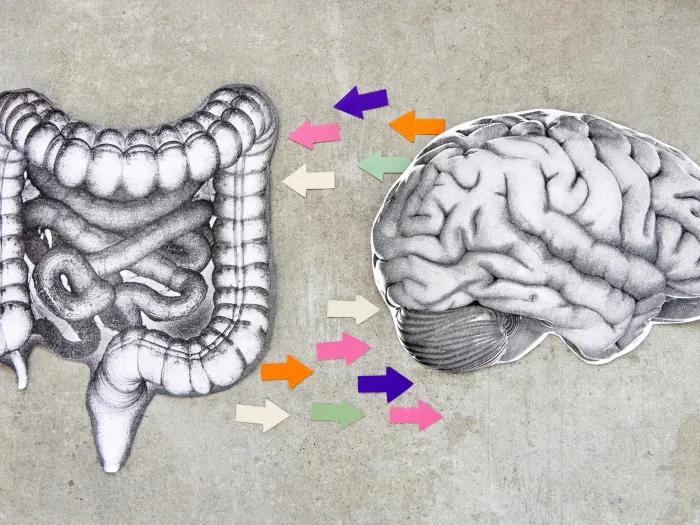
This creates a feedback loop in which the mind and gut influence each other, highlighting the importance of addressing both emotional and physical factors in treatment.
“The science is clear: the brain and gut are in constant communication,” said Megal Riehl, PsyD, the clinical director of the GI behavioral health program at Michigan Medicine and a GI psychologist.
“By addressing that connection directly—through nutritional and behavioral tools—we see patients not only find real relief from their symptoms but also regain confidence and improve their quality of life. Living with IBS can feel overwhelming, but with the right approach, patients can learn to manage their condition and live well.”
An abundance of research has established the importance of gut-brain connection and the ability to directly treat symptoms through addressing emotional and biological factors to relieve symptoms holistically.
The GI Behavioral Health Program offers a variety of brain-gut behavioral therapy options, including GI-specific cognitive behavioral therapy and gut-directed hypnotherapy.
For Kristen Roy, working with Riehl gave her the ability to create new boundaries after the circumstances of the pandemic had broken down old ones.
“I run a practice with a number of employees and clients. It’s a very intense mental game. And then I have three kids—all three were under five at one point,” Roy said.
“Couple all that together with the pandemic and it's no surprise that I was in the spot I was in. Megan — with the hypnosis, meditation and learning how to set boundaries — was huge.”
The GI Behavioral Health Program aims to empower patients with practical tools to manage symptoms, reduce stress, and take control of their digestive health.
Now, with her pain under control, Roy meditates daily, attends weekly yoga sessions and keeps an eye out for triggering foods.
“Kristen was remarkable in how she applied the strategies from our program to her daily life,” Riehl said.
“She didn’t just learn techniques, she optimized them, creating routines and habits that helped her manage stress and reduce symptoms effectively.”
Now Roy sees the patterns that led to her symptoms in friends and acquaintances.
That led her to organize “Reclaim Your Power Within,” a women’s health event in Ann Arbor featuring a variety of speakers, including Riehl and Cathy Goldstein, M.D., professor of neurology at the University of Michigan Sleep Disorders Center.
“Ever since all this happened, when I would talk to other women they would all say, ‘Oh my gosh, me too,’ or ‘I just feel like garbage,’” Roy said.
“I talk about this so much. And I told some of my close girlfriends: I need to do an event. I need to spread the word about this because so many people need this.”
Sign up for Health Lab newsletters today. Get medical tips from top experts and learn about new scientific discoveries every week.
Sign up for the Health Lab Podcast. Add us wherever you listen to your favorite shows.

Health Lab
Explore thousands of health news & research stories by visiting the Health Lab homepage for more.
Media Contact

Public Relations
Department of Communication at Michigan Medicine
In This Story

Megan Elizabeth Riehl, PsyD, MA, AGAF
Clinical Associate Professor
Stay Informed
Want top health & research news weekly? Sign up for Health Lab’s newsletters today!
Featured News & Stories

Exploring the mind’s mysteries: 130 years of mental health care & innovation at U-M

How U-M helped bring depression out of the darkness

5 ways to manage politically induced stress
Enzyme supplement improves IBS symptoms for most in new study
Identifying avoidant, restrictive food intake disorder in gastroenterology patients